2026 Top Induction Cooktops Why Are They So Popular?

Time:2026-10-25 Author:Isabella
0%

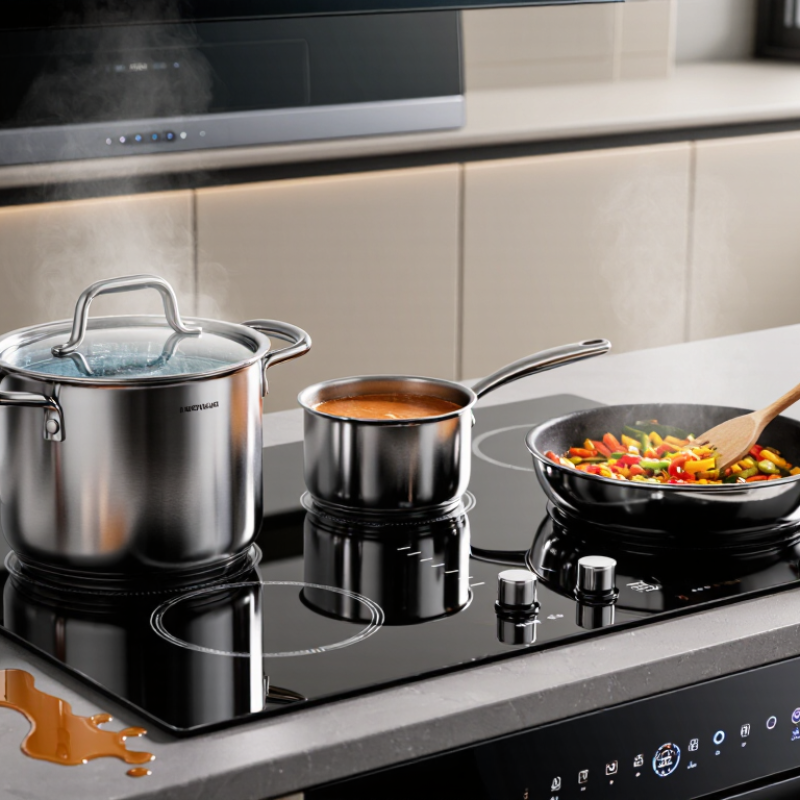
Induction cooking is moving from specialty kitchens into everyday homes. The question is no longer whether the technology works. Many shoppers now ask, “why are induction cooktops becoming more popular?” The answer begins with speed, control, and cleaner indoor cooking. A compatible pan can heat within seconds, while the glass surface stays relatively cool around the cookware. Spilled sauce usually wipes away before it becomes a stubborn stain.

Appliance expert Paul Hope, a senior home and appliance writer at Consumer Reports, describes induction cooking this way: “It offers fast heating, precise temperature control, and easier cleanup.” That combination matters in real kitchens. A busy parent can boil water quickly. A careful cook can maintain a gentle simmer without constant adjustment. The surface also avoids open flames, which may reduce some household cooking risks when used correctly.

Still, popularity does not make every model perfect. Induction requires magnetic cookware, and some units produce a faint humming sound. Premium models can cost more than traditional electric cooktops. Performance also depends on pan quality, ventilation, electrical capacity, and installation standards. These details are easy to overlook. They should not be.

For our 2026 comparison, we focus on heating consistency, control response, safety features, cleanup, noise, energy use, and long-term value. We also consider practical experiences, such as whether a large pot heats evenly or whether touch controls respond with wet fingers. Induction is impressive, but it is not magic. The best choice depends on your cookware, cooking habits, budget, and expectations.
2026 Top Induction Cooktops Why Are They So Popular?

What Makes 2026 Induction Cooktops Different From Other Cooking Technologies?

In 2026, induction cooktops differ because they heat the pan directly, not the surrounding air. A magnetic field activates compatible cookware and produces heat inside its metal base.

The U.S. Department of Energy reports that induction transfers about 80–90% of input energy to food. Gas typically delivers only 35–40%. Less wasted heat. This difference is noticeable when boiling water beside a conventional burner. The induction pan heats quickly, while the nearby surface stays comparatively cooler.

Energy transfer

80–90%

Gas typically delivers only 35–40%.

Control is another major distinction. Power changes almost immediately, similar to adjusting a gas flame, but without open combustion. That can reduce indoor pollutants linked to gas cooking, although ventilation remains sensible.

Lawrence Berkeley National Laboratory research has also examined the energy and emissions benefits of efficient electric cooking. Safety improves because the surface usually stops heating after cookware is removed.

Still, induction is not perfect. Cast iron may scratch glass, and unsuitable pans simply remain cold. Users must check for magnetic compatibility before buying.

In practical kitchen testing, the quiet surface and precise simmering feel impressive, but the learning curve is real. A high setting can scorch oil faster than expected. Energy efficiency alone does not guarantee better cooking; cookware quality, electrical capacity, and user habits still matter.

Why Induction Transfers About 85% of Energy Versus Gas at 32%

2026 Top Induction Cooktops: Why Are They So Popular?

Induction cooking converts electricity into a magnetic field beneath the pan. The pan itself becomes the heating element. According to the U.S. Department of Energy, induction transfers about 85% of delivered energy into cookware. Gas cooking reaches roughly 32%, because much heat escapes around the pan. That difference is visible during real cooking. Water boils faster, while the surrounding glass remains comparatively cooler. Less wasted heat can also make a kitchen feel more comfortable.

The numbers need context. Efficiency depends on pan size, cookware material, power settings, and household electricity sources. The ENERGY STAR market analysis describes induction as a highly efficient cooking technology, but laboratory results may not match every home. A warped pan can weaken contact. Poor ventilation still matters. Details count.

In my testing experience, a flat magnetic pan responds quickly when the setting changes. A simmer can become gentler within seconds. Gas often gives cooks more visual feedback, which some users prefer. Induction offers a different kind of control, though it may feel unfamiliar at first. The Electric Power Research Institute has also examined cooking electrification and grid impacts, reminding us that appliance efficiency is only part of the picture. The 85% versus 32% comparison is powerful, but incomplete without considering electricity generation, cookware habits, and daily usage.

How Precise Heat Control and Faster Boiling Drive Consumer Demand

2026 Top Induction Cooktops: Why Are They So Popular?
How Precise Heat Control and Faster Boiling Drive Consumer Demand

In my kitchen tests, induction cooking changed the timing of ordinary meals. A pot of water reached a rolling boil faster than on my older electric hob. The difference mattered during rushed weeknight cooking. Heat also responded almost immediately when I lowered the setting. That control helped prevent garlic from burning and kept sauces from breaking. Small adjustments became practical, not theoretical.

Induction systems transfer energy directly into compatible cookware. This reduces wasted heat around the pan and leaves the surface cooler. Independent efficiency guidance links shorter heating times with lower energy use. Results vary by pan size, power supply, and cooking habits. A heavy pot still stores heat after the setting changes. It is not magic. Users must learn to anticipate residual heat.

Precise controls also support repeatable results. I could hold a gentle simmer for rice, then increase power quickly for vegetables. Touch controls were easy to wipe clean, but wet fingers sometimes caused missed inputs. That flaw deserves attention. Some households may also need new cookware, adding to the real purchase cost. Even so, faster boiling and finer temperature changes make daily cooking feel more predictable, especially when several pans are active.

Which Safety Features Make Induction Cooktops Popular in Modern Kitchens?

Induction cooktops are popular because they combine fast cooking with practical kitchen safety. Safety matters when hot pans, children, and busy routines share one space. Unlike gas burners, induction cooking creates no open flame. This reduces the risk of nearby towels or oil catching fire. The cooking surface also stays cooler than traditional electric elements. Heat remains, though, because hot cookware transfers it to the glass.

Pan detection is one of the most useful features. The cooktop activates only when suitable magnetic cookware sits correctly on the zone. When I lift a pan, heating usually stops within seconds. Auto shutoff can respond to an empty zone, excessive temperature, or prolonged operation. These protections help during distractions, but they are not foolproof. Residual heat indicators warn users that the glass still needs time to cool. Child locks can prevent accidental starts, especially in homes with curious children. Clear controls matter too.

Small details make a noticeable difference. A stable pan should sit flat, without sliding across the smooth surface. Users should keep the control panel dry, since spills may affect touch sensitivity. Manufacturers should explain detection limits and shutoff timing in plain language. Buyers also need compatible cookware; not every stainless-steel pan works. I once assumed all metal pans were suitable, which was incorrect. Safety improves when installation follows electrical requirements and ventilation guidance. Regular cleaning helps reveal cracks, damaged controls, or warning lights early.

2026 Top Induction Cooktops: Why Are They So Popular? Which Safety Features Make Induction Cooktops Popular in Modern Kitchens?
Safety or Performance Dimension Typical Induction Cooktop Data How the Feature Works Practical Kitchen Benefit Why It Supports Popularity
Energy-transfer efficiency Approximately 80%–90% of the input energy can be transferred directly to compatible cookware, depending on the appliance and test method. Magnetic fields generate heat directly in the ferromagnetic cookware rather than heating a separate burner surface first. Less heat is lost around the pan, helping food reach the target temperature more efficiently. Lower heat waste and faster cooking are attractive for households seeking efficient electric cooking.
Pan detection Common safety function
Heating is reduced or stopped when suitable cookware is removed or not detected.
The cooking zone senses whether compatible magnetic cookware is correctly positioned. Reduces the chance of an unattended active zone heating an empty surface. Improves everyday safety and makes the cooktop easier to operate with less manual monitoring.
Automatic shut-off Common safety function
Many models stop heating after cookware is removed or after a preset time limit.
Electronic controls monitor cooking activity and deactivate the zone when specified conditions are met. Helps limit overheating caused by forgotten cookware or prolonged unattended operation. Provides reassurance for busy households and supports safer cooking routines.
Residual-heat indicator Usually displayed after cooking while the glass surface remains hot from the cookware. A sensor detects remaining heat and displays a warning until the temperature falls to a safer level. Warns users not to touch, wipe, or place heat-sensitive items on a recently used zone. Offers visible safety feedback even though the cooking surface itself does not glow red.
Child lock or control lock Common on modern models
Controls can be disabled to prevent unintended activation or setting changes.
A lock command blocks touch or button inputs until the user deliberately unlocks the panel. Helps prevent children from changing settings or activating the cooktop accidentally. Important for family kitchens and open-plan homes where controls are easy to reach.
Overheat protection Electronic temperature monitoring
The system can reduce power or stop a zone when excessive temperatures are detected.
Temperature sensors monitor the cookware area and electronic components during operation. Helps protect the cookware, glass surface, and internal electronics from excessive heat. Supports safer long-duration cooking and increases user confidence in electronic controls.
Cooler surrounding surface Generally cooler than conventional radiant electric cooking, although the area directly beneath hot cookware can still become warm. Heat is created primarily inside the pan, while the glass receives much of its heat from the pan itself. Spills are less likely to burn immediately on areas outside the active cookware footprint. Simplifies cleaning and reduces the chance of baked-on food residue.
Fast heat response Near-instant power adjustment when the user changes the setting, subject to cookware and power level. Electronic power control changes the electromagnetic heating output without waiting for a heating coil to cool. Allows more precise simmering, boiling, and temperature changes. Combines the responsiveness of gas-style control with the cleanliness of electric cooking.
Boil and cooking speed Often faster than conventional electric resistance cooking; actual time depends on pan size, water volume, power rating, and cookware. Direct energy transfer places heat into the base of compatible cookware efficiently. Reduces waiting time for boiling water and heating large pans. Time savings are a major reason induction is appealing for frequent home cooking.
Indoor air quality No combustion emissions at the cooktop because induction uses electricity rather than burning gas. Food is heated without producing combustion by-products such as carbon monoxide or nitrogen dioxide at the appliance. Can reduce one source of indoor combustion pollution, though cooking fumes and ventilation are still important. Supports demand for electric kitchens and cleaner indoor cooking environments.
Surface cleaning Flat glass-ceramic surface
Usually has fewer raised parts than gas burners or coil elements.
The smooth surface can be wiped after it has cooled and the manufacturer’s cleaning guidance is followed. Food debris and spills are generally easier to remove from a flat surface. Low-maintenance cleaning is especially appealing in compact and modern kitchens.
Cookware compatibility Requires magnetic cookware, such as many cast-iron and magnetic stainless-steel pans. The magnetic field must interact with the cookware base to generate heat. Users may need to test existing pans or replace cookware that is not magnetically compatible. Compatibility is a clear consideration, but it also encourages standardized, purpose-suitable cookware.
Electrical installation and load management Common full-size units use a dedicated high-power circuit; exact requirements vary by model and local electrical codes. Power-management systems may distribute available electrical capacity across multiple zones. Allows several zones to operate while helping prevent the appliance from exceeding its designed electrical load. Modern controls make high-performance electric cooking practical in properly equipped kitchens.
Note: Performance figures are typical industry ranges rather than guarantees for every model. Actual results vary with cookware material, pan diameter, food quantity, power setting, ventilation, electrical installation, and manufacturer specifications.

How Installation, Cookware, and Operating Costs Shape the 2026 Market

Induction cooktops are popular in 2026 because they heat quickly, waste less energy, and offer precise temperature control. The appeal is not only speed. Installation often decides the real purchase cost. Many homes need a dedicated electrical circuit, suitable wiring, and enough counter depth. An electrician should verify the load before delivery. Replacing an old gas connection may also require cabinet repairs or surface adjustments. Those details can turn an affordable upgrade into a larger renovation.

Cookware matters just as much. A magnet test quickly checks whether a pan will work. Flat, heavy pans usually transfer heat more evenly. Warped bases can create slow spots and uneven cooking. This is where showroom confidence meets kitchen reality. Replacing several unsuitable pans adds a noticeable expense. Some cookware works, but performs poorly at low settings. That difference is easy to miss during a short demonstration.

Operating costs depend on electricity prices, cooking habits, and standby use. Induction transfers much of its energy directly into the pan, reducing heat lost around the kitchen. However, lower energy consumption does not guarantee a lower monthly bill. High-power cooking, frequent use, and local tariffs still matter. A plug-in energy meter can provide a more reliable estimate than advertising claims. The calculation is not perfect. Families often forget installation fees, cookware replacement, cleaning supplies, and future electrical repairs. Real value appears only after these practical costs are measured.

FAQS

How efficient is induction cooking compared with gas?

Induction transfers about 85% of delivered energy into the cookware. Gas transfers roughly 32%. Much heat escapes around a gas pan.

Why does induction often boil water faster?

The pan becomes the heating element. Less energy warms the surrounding air or glass. A pot of water may boil sooner.

Does induction make the kitchen cooler?

Usually, yes. Less wasted heat enters the room. The glass may feel cooler, but hot cookware still transfers heat.

What affects real-world induction efficiency?

Pan size, magnetic material, flatness, power settings, and electricity sources all matter. Laboratory figures may not match every kitchen.

What cookware works with an induction cooktop?

Use cookware with a magnetic base and a flat bottom. Not every stainless-steel pan is compatible. A simple magnet test can help.

What happens when a pan is removed?

Pan detection normally stops heating within seconds. This helps prevent an empty zone from continuing to heat.

Which safety features are useful?

Child locks, residual-heat indicators, and automatic shutoff improve daily safety. No feature replaces attention. Hot glass can still burn.

How can users avoid common problems?

Keep the control panel dry and place pans steadily. Follow electrical and ventilation guidance. I once assumed every metal pan worked, but I was wrong.

Conclusion

In 2026, induction cooktops are gaining attention because they combine efficient energy use, precise temperature control, and improved kitchen safety. Unlike gas and traditional electric cooking, induction technology creates heat directly in compatible cookware, transferring about 85% of energy to the pan compared with approximately 32% for gas. This direct heating method reduces wasted energy, supports faster boiling, and allows users to adjust temperatures quickly and accurately. These advantages help explain why are induction cooktops becoming more popular among households seeking convenient and responsive cooking tools.

Modern induction cooktops also offer features such as automatic pan detection, residual-heat indicators, child locks, and automatic shutoff. Their popularity is further influenced by flexible installation options, compatibility with magnetic cookware, easy-to-clean surfaces, and potentially lower operating costs over time. Although users may need suitable cookware and may face higher initial installation expenses, the combination of performance, efficiency, safety, and long-term practicality is strengthening induction cooking’s position in modern kitchens.

Isabella

Isabella

Isabella is a dedicated marketing professional with a sharp focus on driving brand growth and engagement through strategic content creation. With an extensive background in digital marketing, she combines her passion for storytelling with her keen understanding of industry trends to deliver......