Wondering, “can induction cooktops be installed in any kitchen”? The short answer is no, but many kitchens can support one with careful planning. Induction cooking needs compatible cookware, a suitable electrical circuit, and enough ventilation around the appliance. A small apartment kitchen may work well, while an older home might need electrical improvements first.
This guide shares seven practical tips for checking installation requirements before you buy. You will learn how to measure the countertop opening, inspect the power supply, and confirm cabinet clearance. We will also discuss cookware compatibility, ventilation, heat protection, and professional installation. These details matter. A cooktop can look perfect on a showroom counter but fail during installation if the cabinet is too shallow.
I have seen homeowners focus on the appliance width and overlook the wiring location. That mistake can create delays, extra costs, or an awkwardly placed power connection. Manufacturer instructions should guide every measurement, because dimensions vary between models. A licensed electrician or qualified installer can verify the circuit safely and identify problems hidden behind the cabinets.
Not every kitchen is ready.
Still, readiness is often achievable. With accurate measurements, realistic expectations, and expert advice, you can decide whether induction cooking fits your space. The goal is not simply to install a sleek glass surface. It is to create a safe, reliable cooking area that performs well every day.
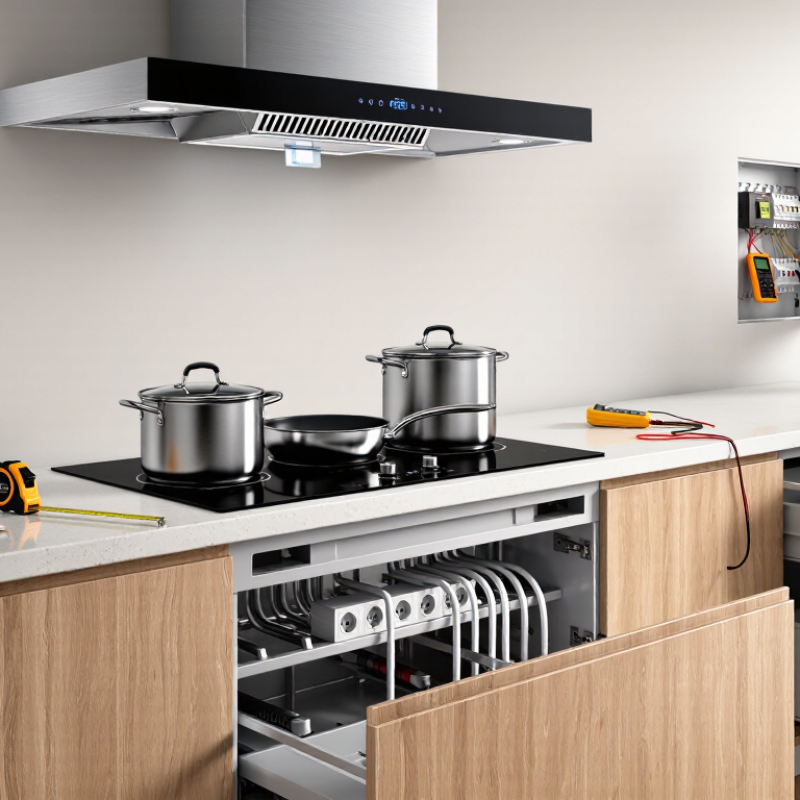
7 Tips Can Induction Cooktops Be Installed in Any Kitchen?
Kitchen Compatibility Requirements for Induction Cooktops
Tip 1: Check the electrical supply before choosing a cooktop. Induction models often require a dedicated circuit and suitable wiring. An older kitchen may not provide enough capacity. Ask a licensed electrician to inspect the panel, cable size, and outlet location. I once underestimated this step during a renovation. It caused an avoidable redesign.
Tip 2: Measure the countertop opening carefully. Induction cooktops need correct width, depth, and support underneath. Leave enough clearance for drawers, ovens, and ventilation. Heat-resistant materials around the cutout are important. Moisture can also enter poorly sealed edges. This detail seems minor. It is not.
Tip 3: Inspect the cookware and surrounding layout. Induction heating requires magnetic cookware, such as cast iron or magnetic stainless steel. Test each pan with a small magnet. Nonmagnetic pans may remain cold. Also check whether the cooktop’s controls are easy to reach. Children, deep drawers, and nearby sinks can affect safe placement.
Tip 4: Confirm the kitchen’s ventilation plan. Induction produces less surrounding heat, but cooking still creates steam, smoke, and grease. Existing ventilation may be weak. A professional installer should follow local electrical and building requirements. Cabinet materials, airflow, and manufacturer clearance instructions can vary. Not every kitchen is immediately compatible, but many can be adapted with careful planning.
| Tip | Compatibility Requirement | Why It Matters | What to Check Before Installation | Typical Guidance | Assessment |
|---|---|---|---|---|---|
| 1 Confirm the electrical supply | The kitchen must have an electrical circuit that matches the cooktop's rated voltage, frequency, and maximum current. | Induction cooktops use substantial electrical power. An unsuitable supply can cause nuisance tripping, overheating, or unsafe operation. | Compare the appliance rating plate and installation manual with the home's electrical service and the available circuit. | Many full-size built-in models require a dedicated circuit. Exact voltage and current requirements vary by model and location. | Required |
| 2 Check the circuit and local code | Wiring, circuit protection, grounding, disconnecting means, and installation practices must comply with applicable electrical regulations. | Electrical requirements differ between countries, regions, building types, and appliance ratings. | Have a qualified electrician verify conductor size, breaker or fuse rating, grounding, and whether local rules require additional protection. | Do not select a breaker or cable size from a generic chart alone; the appliance instructions and local code take priority. | Professional Check |
| 3 Measure the countertop cutout | The countertop opening must match the cooktop's specified cutout width, depth, corner radius, and minimum edge distances. | A cooktop may fit the overall counter area but still fail to fit the required cutout or support clearances. | Measure the existing opening and compare it with the installation template, not only the visible glass dimensions. | Cutout dimensions are model-specific. Never enlarge or modify a stone or composite countertop without confirming that the alteration is suitable. | Required |
| 4 Verify cabinet and ventilation clearances | The cabinet below and the surrounding surfaces must provide the clearances, airflow, and heat protection specified by the manufacturer. | Induction heats cookware directly, but the appliance electronics still produce heat and need adequate ventilation. | Check drawer depth, oven or appliance placement below, rear and side clearances, and any required ventilation openings. | A drawer directly beneath the cooktop may be restricted if it reduces airflow or storage clearance. Follow the installation diagram exactly. | Measure Carefully |
| 5 Assess the countertop and support structure | The worktop and cabinetry must be strong, stable, level, and suitable for the cooktop's weight and installation method. | Uneven or weak support can stress the glass surface, affect sealing, or prevent the appliance from sitting securely. | Inspect the countertop material, thickness, condition, levelness, support rails, and clearance around the cutout. | Solid-surface, stone, laminate, and wood countertops may be compatible, but cutting and edge treatment must follow the material and installation requirements. | Site Assessment |
| 6 Test cookware compatibility | Cookware must have a magnetic, induction-compatible base that is sufficiently flat and appropriately sized for the cooking zone. | Induction generates heat through magnetic cookware. Non-magnetic aluminum, copper, glass, and ceramic cookware will not work unless designed with a magnetic base. | Place a magnet on the underside of each pan. If it adheres firmly and the base is flat, the pan is generally suitable; confirm the cooktop's size limits. | Magnetic stainless steel and cast iron are commonly compatible. Some cookware may heat unevenly or scratch the glass surface. | Usually Simple |
| 7 Plan controls, safety, and maintenance | The installation should allow safe access to controls, protection from spills, proper cleaning, and convenient isolation of power when required. | Poor placement can make controls difficult to use, increase spill risks, or complicate servicing and emergency shutdown. | Consider the cooktop's position relative to sinks, walls, splash zones, walkways, children, ventilation equipment, and the electrical isolation point. | Keep the glass surface clear, avoid placing flammable objects near hot cookware, and use only cleaning methods recommended for the cooktop surface. | Plan Ahead |
Important: An induction cooktop cannot be installed in every kitchen without modification. Final compatibility depends on the specific appliance installation manual, the existing electrical capacity, the countertop and cabinet layout, and local building and electrical requirements.
Not automatically. Electrical capacity, countertop space, cookware, ventilation, and clearances must all be checked. Many kitchens can be adapted.
A full-size model may draw about 7.2 kilowatts. At 240 volts, that equals roughly 30 amps. A dedicated circuit is often necessary.
Yes. A licensed electrician should check the service rating, panel space, wire size, grounding, and outlet location. Guesswork gets expensive.
Maybe, but not always. Older homes may have limited service capacity, crowded panels, or unsuitable wiring. A written load calculation helps reveal problems.
Sharing is usually unsuitable for a high-power cooktop. Avoid combining it with an oven, dishwasher, or countertop receptacles. Several appliances can overload the plan.
Measure the required width, depth, and support area carefully. Check clearance above drawers and ovens. Seal the cutout edges against moisture.
Use magnetic cookware, such as cast iron or magnetic stainless steel. Test each pan with a small magnet. No magnetic attraction means poor heating.
Controls should remain easy to reach. Nearby sinks, deep drawers, children, and surrounding cabinets can affect placement. Small layout details matter.
No. It produces less surrounding heat, but cooking still creates steam, smoke, and grease. Existing ventilation may be too weak.
A panel may look suitable until several appliances run together. I once underestimated startup loads. The design had to change. Careful testing is wiser.
Can induction cooktops be installed in any kitchen? In most cases, they can be installed in kitchens that meet the necessary electrical, spatial, and ventilation requirements, but not every kitchen is automatically suitable. Before upgrading, check whether the home has adequate electrical capacity, a properly rated dedicated circuit, and enough room beneath the countertop for the unit and airflow. Countertop dimensions, cabinet structure, heat clearance, and ventilation should all be reviewed carefully to prevent overheating and ensure safe operation.
The installation process should also include checking that cookware is compatible with induction technology and that the countertop surface can support the cooktop securely. Seven practical tips include measuring the installation area, confirming circuit requirements, consulting a qualified electrician, allowing proper ventilation, maintaining manufacturer-specified clearances, testing cookware with a magnet, and inspecting the finished installation before use. With thoughtful planning and professional guidance where needed, an induction cooktop can be a safe, efficient, and practical upgrade for many kitchens.

 Aris Cooktop