A lower electricity bill sounds appealing, but an induction cooktop does not guarantee savings. The result depends on local electricity prices, cooking habits, cookware, and the appliance being replaced. Induction heats compatible pans directly, which can reduce wasted heat compared with some traditional electric methods. Yet gas users may see a different result, especially where electricity costs more. Details matter.
So, can induction cooktops save money on energy bills? Sometimes. A household that often simmers soup, boils water, or cooks several meals each day may notice efficient heating and quicker cooking. A small saucepan can reach a steady simmer without warming the whole kitchen as much. Still, purchase price, installation, and cookware replacement can offset energy savings. Real bills vary. There is no single payback period that fits every home.
This guide compares ten induction cooktops through practical features, including burner layout, power settings, safety controls, and ease of cleaning. It also considers everyday trade-offs, not just advertised performance. Check each model’s specifications and warranty, and confirm that your pans work with induction using a simple magnet test. A magnet that sticks is a useful clue, though the manufacturer’s guidance is more reliable. Some details are easy to overlook. The best choice may not be the cheapest model, or the one with the most settings. It should suit your kitchen, budget, and cooking routine—and the savings may be modest.
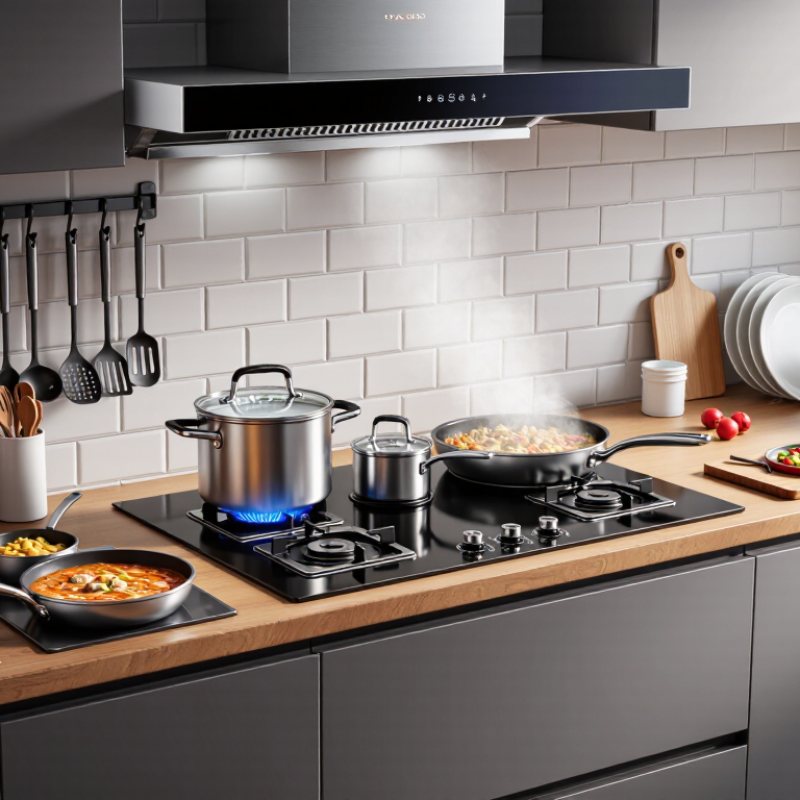
Induction cooking heats the pan directly. A magnetic field creates heat inside compatible cookware, rather than warming a burner first. The U.S. Department of Energy cites efficiency estimates of about 85% for induction and 32% for gas. In practical terms, less energy escapes around the pot. A saucepan of water can reach a simmer quickly, while the surrounding glass stays comparatively cool.
That gap matters, but it does not guarantee a lower bill. DOE efficiency figures describe how much input energy reaches the food; they are not a household cost estimate. Local electricity and gas prices, cooking time, and pan size all change the result. A small pot on a large burner wastes energy with either technology. The comparison is useful, but easy to overread.
For a fair cost check, compare your utility rates and typical cooking habits. The DOE’s Energy Saver guidance also notes that induction requires compatible cookware, often magnetic stainless steel or cast iron. Try a refrigerator magnet on the pan base. It should stick. This is a quick check, not a perfect test. For frequent simmering or boiling, induction’s higher transfer efficiency may reduce energy use; occasional cooking may show smaller savings. Industry efficiency data describes a real advantage, not a promised payback period.
China’s top 10 induction cooktops are best compared by rated power, street price, and everyday controls—not by ranking alone. Many household models sit around 1,800 to 3,500 watts, while portable units may offer lower settings for simmering. Higher power can boil a pot faster, but it may also require a suitable electrical circuit. Check the label. Compare usable cooking levels, timer accuracy, child locks, and whether the surface responds reliably to small pans. A glossy control panel looks neat, but wet fingers can make touch buttons frustrating.
Prices vary by seller, region, and promotion, so treat online figures as snapshots rather than fixed costs. Entry-level cooktops usually focus on basic heating; higher-priced options may add wider power ranges, quieter fans, temperature presets, or thicker glass. These extras are useful only if they match your cooking habits. For a fair ten-model comparison, record each unit’s price, wattage, warranty terms, and included accessories on the same day. That matters. Energy savings are possible when induction replaces a less efficient cooking method, but results depend on electricity rates, cookware, and how often you cook. One detail is easy to miss: a powerful unit is not automatically the cheaper choice over time.
The chart compares representative cooktop configurations, not specific brands or ranked products. Rated power and approximate retail prices are indicative China-market values; actual prices vary by seller, region, and promotions. Higher power can heat faster, but it may also require a suitable electrical circuit.
A practical estimate starts with the cooktop’s input wattage, not the heat setting alone. Multiply kilowatts by cooking hours and your electricity price per kilowatt-hour.
A 2,000-watt cooktop running at full power for one hour uses about 2 kWh.
At an illustrative rate of ¥0.60 per kWh, that costs roughly ¥1.20. Your local tariff may differ, especially under tiered household pricing.
This is a ceiling-style estimate. Many cooktops cycle power to hold a simmer, so they may use less than their rated wattage over time. The U.S. Department of Energy reports that induction transfers about 85% of its energy to cookware, compared with roughly one-third for gas. That supports efficient heat transfer, but it does not guarantee a lower bill: pan size, cooking time, and food volume matter. A small pot on a large zone wastes some heat.
For context, the U.S. Energy Information Administration reported an average residential electricity price of 16.48 cents per kWh in 2024; this is a comparison point, not a China tariff.
Try timing a real meal. Note the meter reading, or estimate usage from the appliance’s power display. Results can be messy. Boiling water and simmering soup do not draw power the same way, so one test should not stand in for every meal.
DOE efficiency figures commonly cited for induction cooking are about 85%, compared with roughly 75% for conventional electric resistance cooktops. That is a difference of 10 percentage points, not a promise of a 10% lower electricity bill. In a simplified example, one kilowatt-hour of electricity could deliver about 0.85 kilowatt-hours of heat to cookware on induction, versus about 0.75 on resistance electric. Actual results vary with the cookware, burner settings, and test conditions. The distinction matters.
At home, less wasted heat can mean a pot warms efficiently without heating the surrounding air as much. Picture simmering soup on a cool evening: the pan gets hot, while the nearby counter may stay more comfortable. But savings depend on how often you cook and local electricity prices. Replacing a working cooktop may take years to pay back, especially in a lightly used kitchen. I would not read the efficiency figures as a bill estimate. They describe energy transfer, not total household costs. Cookware also matters: a magnetic pan with a flat base is generally needed for induction. Easy to overlook. A careful comparison should include purchase cost, daily cooking habits, and the equipment already in your kitchen.
An induction cooktop can reduce wasted heat, but the purchase price and your cookware decide whether it pays back. The U.S. Department of Energy estimates induction cooking transfers about 85% of energy to food, compared with roughly 32% for gas cooking. That efficiency figure is not a bill-saving guarantee: local electricity and gas rates matter, as does how often you cook. A household making quick meals twice a week may see little financial benefit. A busy kitchen using a cooktop daily has more room to save.
Check your pans before comparing prices. A magnet should cling firmly to the base; otherwise, some cookware may need replacing, adding to the upfront cost. For a realistic estimate, record one month of cooking-related energy use, then compare expected costs using your local utility rates. Include the cooktop price, installation, and any new pans. Divide that total by estimated yearly savings to estimate payback. Keep the math cautious. The DOE efficiency figures describe energy transfer, not your exact household bills, and cooking habits are hard to measure perfectly. That is the awkward part. A small notebook beside the meter can help, but your estimate will still be approximate.
A magnetic field creates heat inside compatible cookware. The pan heats directly, while the glass surface stays comparatively cool. Not completely cool.
Estimates put induction near 85% efficiency and gas near 32%. These figures describe energy transfer, not guaranteed savings on your bill.
Place a refrigerator magnet against the pan’s base. If it sticks firmly, the pan is likely compatible. It is a quick check, not a perfect test.
Multiply its power in kilowatts by cooking hours and your electricity rate per kilowatt-hour. For example, 2,000 watts used for one hour equals about 2 kWh.
No. Local electricity and gas prices, cooking time, food volume, and pan size all affect costs. The efficiency figures are easy to overread.
A small pot on a large cooking zone may not use the heat as effectively. Matching pan size to the zone helps.
Include the cooktop, installation, and any replacement pans in the upfront cost. Compare that total with estimated yearly savings using your local utility rates. Keep the result approximate.
No. Boiling water and simmering soup can draw power differently, and some cooktops cycle power at lower settings. One meal is not enough data.
This article explores whether induction cooking can reduce household energy costs by explaining how the technology transfers heat directly to compatible cookware. It compares the estimated efficiency of induction with gas and conventional electric cooking, using the figures provided in the outline, and reviews ten leading cooktops by power, price, and practical features. Rather than assuming that a more efficient appliance always means lower bills, the article shows how to estimate running costs from wattage, cooking time, and local electricity rates. It also considers how cooking habits and electricity prices affect the results.
To assess whether can induction cooktops save money on energy bills, readers should weigh potential energy savings against the purchase price and any need for compatible cookware. A payback estimate can help determine how long it may take for lower operating costs to offset the initial expense. The most suitable option depends on the household’s budget, cooking frequency, existing pots and pans, and energy rates.
