When shoppers search for “China Best Induction Cooktop,” they often expect simple answers and dependable performance. Yet a beautiful glass panel does not guarantee trouble-free cooking. Understanding what are common induction cooktop problems can prevent frustration after installation.
Paul Hope, senior home and appliance editor at Consumer Reports, offers a practical reminder: “The right cookware is essential for induction cooking.” That point deserves attention. A stainless-steel pan may look suitable, but a weak magnetic base can trigger a “no pan” warning. A small saucepan might also fail to activate. These moments feel confusing, especially during a busy dinner.
Common problems include sudden shutdowns, flashing error codes, uneven heating, loud buzzing, and touch controls that respond slowly. Some issues come from unsuitable cookware. Others involve blocked ventilation, unstable voltage, moisture on the control panel, or incorrect installation. China-made models can perform well, but buyers should check voltage, frequency, plug type, warranty coverage, and local service support. Specifications matter more than attractive marketing language.
There is room for doubt. Not every error means the cooktop is defective. I once assumed a heating failure indicated damage, but the pan base was slightly warped. A flat, magnetic pan solved it within minutes. Still, repeated shutdowns or burning smells require caution. Do not open the unit casually. A qualified technician should inspect electrical faults. This guide examines what are common induction cooktop problems, how users can identify them, and when professional help becomes the safer choice.
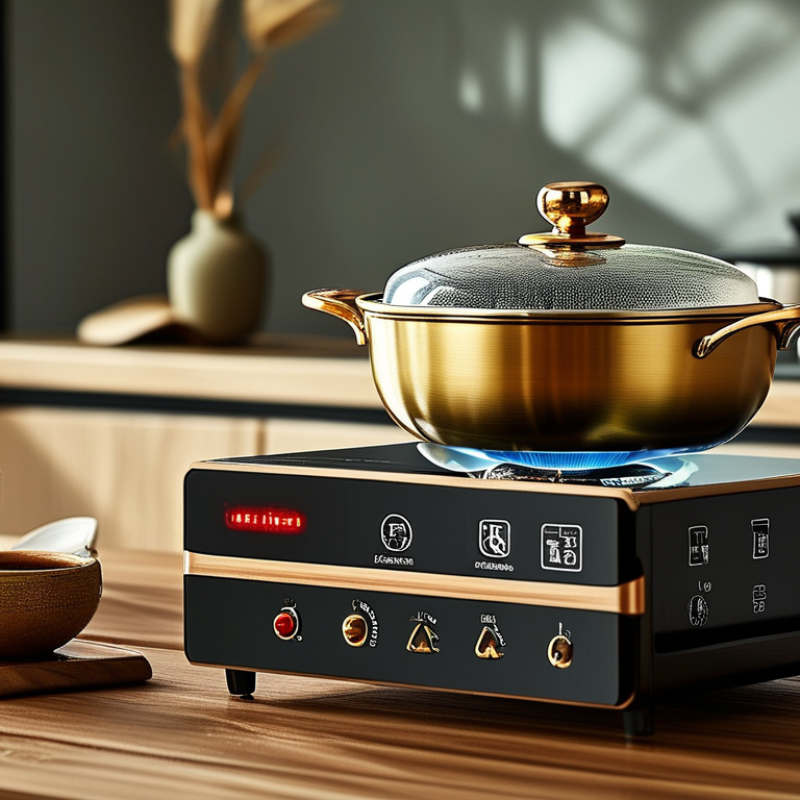
Induction cooktops heat cookware through a rapidly changing magnetic field. The field creates electrical currents inside compatible iron or steel cookware. Heat forms in the pan, not directly on the glass surface. This explains the fast response and cooler cooking area.
Common problems often begin with the cookware. A warped base may heat unevenly or trigger pan-detection errors. A small pan can also confuse the sensor. Some users report buzzing sounds, power cycling, or sudden temperature changes. These issues may involve the inverter, cooling fan, sensor, or unstable household voltage. In my experience, people sometimes blame the cooktop too quickly. The pan, socket, and ventilation deserve equal attention.
Tips: Use a flat magnetic pan. Center it carefully. Keep air vents clear. Let the surface cool before cleaning. If an error code appears, record it before switching the power off. A qualified technician should inspect repeated faults. Do not open the unit casually. Even when unplugged, internal components may retain electrical energy. Personally, I would also check the user manual again; small details are easy to overlook.
Induction cooktops transfer energy through a rapidly alternating magnetic field. Typical single-zone power ranges from about 0.3 kW at low settings to 3.7 kW in boost mode. Power cycling, cookware detection errors, and slow heating commonly occur when the pan is not ferromagnetic, the cookware base is too small or uneven, ventilation is restricted, or the electrical supply cannot support the selected power level.
Induction cooktops heat cookware through a magnetic field, so heating problems often begin with the pan. A thin, warped, or non-magnetic pan may stay cool. Test it with a magnet before replacing the cooktop. The pan should also cover the marked cooking zone. Poor contact can create uneven heating, especially under a heavy pot.
Power problems are also common. A cooktop may stop suddenly when its internal temperature rises too high. Blocked ventilation, grease buildup, or a crowded cabinet can restrict airflow. Let the unit cool, then check whether the air openings are clear. Do not repeatedly restart it. That habit may hide a deeper electrical fault.
An error code can indicate unstable voltage, sensor trouble, or an unsuitable pan. Check the outlet, plug, and circuit breaker without opening the appliance. Flickering displays or repeated shutdowns deserve professional inspection. In service testing, loose connections sometimes appear normal until the unit reaches high power. That detail is easy to miss. I have also seen users blame the cookware when the real issue was insufficient electrical capacity. Installation guidance should be checked against local electrical requirements. My own judgment is not infallible, so unusual smells, sparks, or damaged cords should never be treated as minor heating faults.
Cookware compatibility is a frequent source of induction cooktop problems. The surface heats through a magnetic field, so the pan must contain enough ferromagnetic material. Cast iron and magnetic stainless steel usually work well. Copper, glass, ceramic, and ordinary aluminum may not activate the cooker. A flat base also matters. A warped pan can heat unevenly, even when it passes a magnet test.
I once tested a pan that attracted a magnet but still produced an error signal. Its magnetic layer was too thin, and the base was smaller than the cooking zone. Detection can also fail when cookware sits off-center, has a wet bottom, or weighs too little. Some cooktops stop after several seconds. That response is not always a fault. It may be a safety feature. Still, manuals do not explain every unusual case clearly, which deserves improvement.
Tips: Place the pan at the zone’s center and keep its bottom dry. Use a magnet across several areas, not only the handle. Check the pan diameter against the marked zone. A thick, level base usually gives steadier heating. If detection remains inconsistent, test another suitable pan before assuming the cooktop is defective. Food residue, a slightly raised base, and low-quality magnetic layers are easy to overlook.
Control-panel faults are among the most reported induction-cooking complaints. Touch keys may ignore wet fingers, lock unexpectedly, or respond slowly near steam. Grease can also create false inputs. The U.S. Department of Energy’s appliance test procedures emphasize stable controls and repeatable operating conditions, yet household kitchens are rarely that clean. Small spills matter. A technician should check the power supply, grounding, control-board connectors, and cooling fan before replacing parts. It is easy to blame the panel too quickly.
Sensor problems usually involve pan detection, temperature sensing, or overheating protection. An unsuitable pan can trigger “no cookware” warnings, even when the surface looks correct. Poor ventilation may raise internal temperatures and produce shutdown errors. NFPA’s Home Structure Fires report identifies cooking equipment as a leading source of residential fires, reinforcing the value of functioning heat protection. However, public industry reports rarely separate induction sensor failures from other cooking appliances. That limitation deserves attention.
Error codes are not universal. A code for overtemperature on one model may indicate a voltage or sensor issue on another. The service manual remains the reliable reference. Technicians should record the code, pan type, room temperature, and time before resetting the unit. Repeated resets hide evidence. I would also question quick online diagnoses; they often simplify complex electrical symptoms. If the display flickers, breakers trip, or burning odors appear, stop using the cooktop and arrange qualified inspection.
Safety risks often begin with small warning signs. A cracked glass surface can allow moisture to reach electrical components. Stop using the cooktop immediately if this happens. Do not cover the crack with tape or continue cooking carefully.
Uneven heating may come from unsuitable cookware, not a failed unit. Use a flat, magnetic pan that matches the marked cooking zone.
Error codes, sudden shutdowns, and repeated power trips need professional attention. A qualified electrician should inspect wiring, sockets, and internal components. Opening the housing yourself can create shock and fire risks. It also may damage parts that were still repairable.
Maintenance is simple but must be consistent.
Wipe spills after the surface cools, especially sugar, salt, and oily sauces. Use a soft cloth instead of abrasive powder. Keep the air vents clear, because blocked ventilation can overheat the fan and control board. Some fan noise is normal after cooking. Grinding sounds are not.
Repair options depend on the fault. A technician can replace cooling fans, sensors, control boards, or damaged glass. In my experience, delayed repairs usually cost more. I once treated a recurring shutdown as a minor nuisance, but the neglected ventilation problem had already stressed several components. That judgment was wrong. Reliable repair also requires testing the cooktop under load, not merely clearing the error code.
: Cast iron and magnetic stainless steel usually work well. Copper, glass, ceramic, and ordinary aluminum may not activate the cooker.
Its magnetic layer may be too thin. The base may also be too small, warped, wet, or off-center. A magnet test is useful, but not perfect.
Place the pan in the cooking zone’s center. Keep the bottom dry. Test the magnet across several areas, not only the handle.
The pan may have a raised or warped base. An unsuitable diameter can also reduce heating consistency. A thick, level base usually performs better.
No. Some shutdowns protect against unsuitable cookware or overheating. Test another suitable pan before blaming the unit.
Stop using the cooktop immediately. Moisture could reach electrical components through the crack. Do not cover it with tape.
Let the surface cool first. Wipe away sugar, salt, oil, and food residue with a soft cloth. Avoid abrasive powders.
Blocked vents can overheat the fan and control board. Some fan noise is normal after cooking. Grinding sounds are not.
Repeated power trips, error codes, and sudden shutdowns need professional attention. A qualified electrician should check wiring and internal components.
Opening the housing can cause shock, fire, or further damage. A technician may replace fans, sensors, control boards, or damaged glass. Clearing an error code alone may not prove the repair worked.
Induction cooktops use electromagnetic energy to heat compatible cookware directly, making them efficient and responsive. However, several issues may occur when the cookware, power supply, or internal components do not work as expected. Common symptoms include slow or uneven heating, unexpected shutdowns, failure to start, power interruptions, and unusual noises. These problems may result from unsuitable cookware, unstable voltage, blocked ventilation, or excessive heat.
When the cooktop cannot detect a pan, the cookware may be too small, nonmagnetic, or improperly positioned. Control panels can also become unresponsive because of moisture, touch-sensor faults, or a locked setting. Error codes may indicate overheating, sensor problems, or electrical protection functions and should be checked in the user manual. To reduce risks, keep the surface clean and dry, use appropriate cookware, maintain ventilation, and avoid operating a damaged unit. If basic maintenance does not solve the issue, professional inspection is the safest repair option. Understanding what are common induction cooktop problems helps users identify causes early and use their cooktop more safely.
