Induction cooking is gaining popularity among global buyers for its efficiency and performance. This technology uses electromagnetic fields to heat pots and pans directly. Many consumers are curious: is induction cooking energy efficient? This question is vital for eco-conscious individuals and those looking to save on energy bills.
Studies suggest that induction cooking can be more energy-efficient than traditional methods. It typically uses about 90% of the energy it consumes. In contrast, gas and electric stoves often waste energy by heating the air around them. However, the efficiency of induction cooking can vary based on factors like cookware material and user habits.
Despite its advantages, some consumers remain skeptical. Induction cooktops can be more expensive upfront. Additionally, not all cookware is compatible, requiring potential additional purchases. Understanding these nuances is essential for buyers. Energy efficiency is crucial in cooking choices, making it vital to explore the depths of this technology.
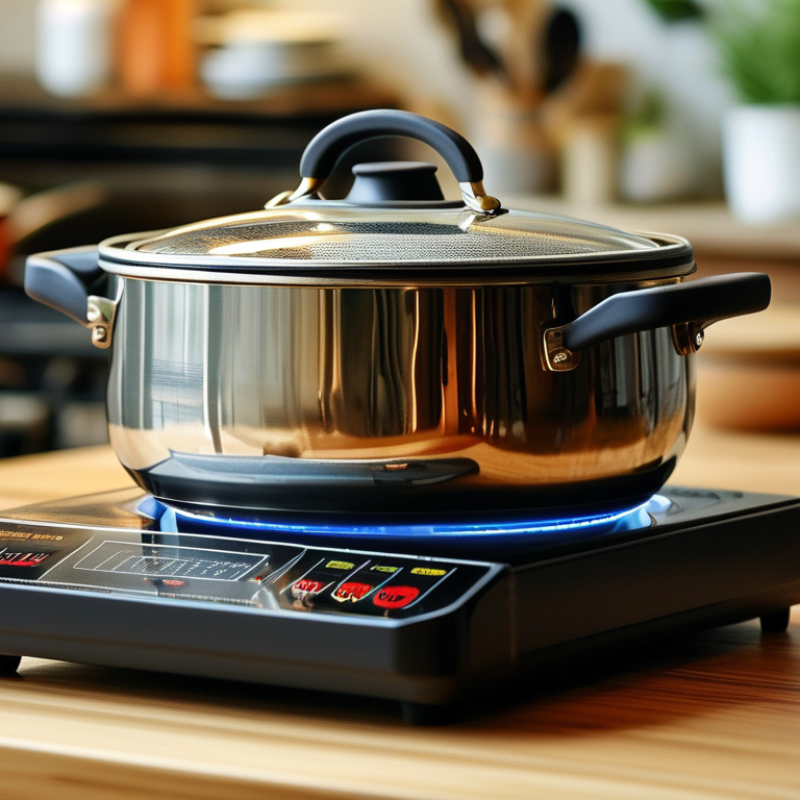
Overview of Induction Cooking Technology and Mechanism
Induction cooking relies on electromagnetic energy to heat pots and pans directly. Unlike gas or electric stoves, it utilizes induction coils beneath the surface. When a pot is placed on the burner, it creates a magnetic field that generates heat only in the cookware. This technology ensures that cooking surfaces remain cool, which enhances safety and efficiency.
One major advantage of induction cooking is energy efficiency. It provides faster heating times compared to traditional methods. Since heat is generated directly in the cookware, less energy is wasted. However, induction cooking requires compatible cookware, typically made of ferrous materials. If you own a collection of non-compatible pots, the switch might be costly.
Despite its benefits, not all users find induction cooking ideal. The upfront cost for induction cooktops can be higher than traditional ones. This can deter potential buyers, especially in regions with traditional cooking habits. On the other hand, as global awareness of energy efficiency rises, induction cooking may gain popularity. The technology offers a glimpse into the future of sustainable cooking practices.
Comparative Analysis of Energy Efficiency: Induction vs. Traditional Cooking
Induction cooking is gaining attention as an alternative to traditional methods. This technology generates heat directly in the cookware, making it highly efficient. Studies show that induction cooking can reduce energy use by up to 70% compared to gas or electric stoves. This efficiency is crucial, especially as global energy needs grow. The quick response time of induction cooktops means cooking times are often shorter.
However, there are challenges to consider. Induction cookers require compatible cookware, which can be an initial investment. Users may also need time to adjust, as the cooking experience can differ from traditional methods. Additionally, not all kitchens are set up for induction, limiting accessibility. Some may find the specific requirements daunting.
Despite these challenges, the benefits in energy savings can be substantial. Many households see decreased energy bills. The environmental impact may also be positive, contributing to lower carbon footprints as more renewable energy sources become available. This movement towards efficiency is noteworthy. The balance between convenience and energy conservation will shape choices for global buyers in the future.
Is Induction Cooking Energy Efficient for Global Buyers?
| Cooking Method |
Energy Efficiency (%) |
Average Cooking Time (minutes) |
Cost per Meal ($) |
Environmental Impact (CO2 Emissions kg) |
| Induction Cooking |
85 |
20 |
2.50 |
0.8 |
| Electric Cooking |
75 |
25 |
3.00 |
1.0 |
| Gas Cooking |
60 |
30 |
3.50 |
2.0 |
| Ceramic Cooking |
70 |
28 |
3.20 |
1.5 |
Environmental Impact of Induction Cooking for Global Buyers
Induction cooking presents a promising environmental impact for global buyers. According to the U.S. Department of Energy, induction cooktops can achieve energy efficiency rates of 85% to 90%, compared to traditional gas stoves that operate at about 40% efficiency. This is a significant factor, especially as households consider energy consumption and its carbon footprint.
However, the production and disposal of induction appliances can pose challenges. The materials used in these cooktops often require extensive mining and processing, contributing to environmental degradation. A report by the International Energy Agency indicated that the lifecycle emissions from appliance manufacturing can offset some energy savings. Thus, while induction cooking may shine in operational efficiency, the total environmental costs must be evaluated.
Moreover, the reliance on electricity, much of which is still generated from fossil fuels, raises concerns. Areas with cleaner energy sources will benefit most. Yet, in regions dependent on coal or gas, the shift may not yield the anticipated environmental advantages. Understanding your local energy mix is crucial for assessing induction cooking's overall impact.
Energy Efficiency of Induction Cooking vs. Traditional Methods
This chart demonstrates the energy consumption of different cooking methods. Induction cooking proves to be the most energy-efficient option, utilizing only 1.2 kWh per hour compared to 2.0 kWh for electric stovetops and 3.0 kWh for gas stovetops. This efficiency highlights the potential environmental benefits of adopting induction cooking technologies globally.
Economic Implications of Induction Cooking on Household Energy Bills
Induction cooking offers a unique perspective on household energy consumption. The technology uses electromagnetic fields to heat pots and pans directly. This results in faster cooking times and less wasted energy. Studies show that induction cooktops can reduce energy usage by up to 30% compared to traditional methods. For many households, this translates to lower energy bills.
However, the initial investment in induction cooking systems can be a barrier. Many buyers face a higher upfront cost, raising questions about whether the long-term savings justify this expense. Some consumers may not experience immediate benefits while adjusting to new cooking habits. Additionally, the compatibility with existing cookware can be an issue. Not all pots and pans work with induction surfaces.
Understanding the economic implications of induction cooking is crucial. Households need to weigh both short-term costs and long-term savings. The transition can seem daunting despite potential benefits. Reflecting on these factors helps buyers make informed choices. As energy prices continue to rise, examining energy-efficient options is more important than ever. Induction cooking may offer a viable solution, but it requires careful consideration.
User Experience and Adoption Rates of Induction Cooking Worldwide
Induction cooking is gaining traction across the globe. Users appreciate its speed and efficiency. Many households report faster cooking times. The immediate heat adjustment is a notable benefit. Chefs enjoy the precise temperature control. However, adapting to this technology can be challenging.
Many people have concerns about the learning curve. Switching from gas or electric to induction requires some adjustment. Users might find initial cooking experiences inconsistent. Some have reported issues with incompatible cookware. This can create frustration and a feeling of uncertainty.
Adoption rates vary significantly by region. In some places, induction cooking is more popular than in others. Cultural preferences heavily influence these trends. Despite the initial hurdles, many users eventually praise induction cooking. The potential for energy savings and safety features often outweigh their concerns.
Conclusion
Induction cooking technology has gained significant attention worldwide due to its efficiency and modern mechanisms. One of the primary questions being explored is, "is induction cooking energy efficient?" Comparative analyses reveal that induction cooking outperforms traditional methods by using magnetic fields to directly heat pots and pans, resulting in less energy wastage and quicker cooking times.
Environmental implications also play a crucial role, as induction cooking can lead to lower carbon footprints compared to conventional cooking methods. Economically, households can benefit from reduced energy bills due to the high efficiency of induction systems. Additionally, user experiences have shown varying adoption rates globally, influenced by factors such as cooking habits and access to infrastructure. Overall, induction cooking represents a forward-looking choice for consumers aiming for energy efficiency and sustainability in their kitchens.

 Aris Cooktop