Why Does an Induction Cooktop Make Noise When Cooking?

Time:2026-08-28 Author:Ethan
0%

Induction cooktops are increasingly popular in modern kitchens. They offer efficiency and precision in cooking. However, many users experience unexpected sounds during operation. This leads to the question: why does an induction cooktop make noise?

Understanding the reasons behind this phenomenon is essential. Induction cooktops use electromagnetic fields to heat cookware directly. This process can create vibrations, resulting in various sounds. Sometimes, the noise originates from the cookware itself. Different materials and shapes interact with the cooktop in unique ways. This interaction can produce humming or buzzing noises that may be surprising to users.

Additionally, the cooling fan within the cooktop can also contribute to the overall noise level. While these sounds might be unsettling, they often indicate that the appliance is functioning correctly. In some cases, the noise may reflect an underlying issue. So, it's important for users to reflect on their experiences. Understanding these aspects can enhance one's cooking experience and deepen their appreciation for this advanced technology.
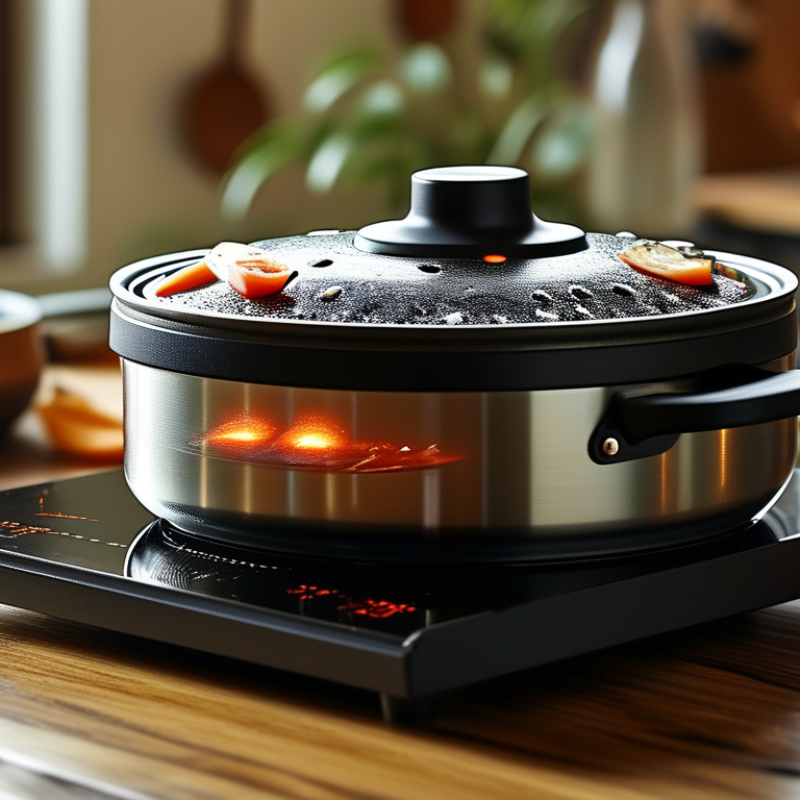
Why Does an Induction Cooktop Make Noise When Cooking?

Understanding Noise in Induction Cooktops

Induction cooktops are marvels of modern cooking technology, but they can produce unexpected noises. Many users report hearing buzzing, clicking, or humming sounds during operation. This noise can be surprising, especially for those new to induction cooking. Understanding the source of these sounds can greatly enhance your cooking experience.


The primary reason behind the noise is the electromagnetic process that powers induction cooktops. When a pan is placed on the cooktop, an electric current passes through coils beneath the surface. This current generates a magnetic field that heats the cookware directly. As the cookware heats up, it can vibrate and produce sound. The type of material in the pan can also impact noise levels. For example, thinner pans may create more noise due to their construction.


Some users may find these sounds annoying. However, they are often a normal part of induction cooking. Regular cleaning and maintenance can help minimize any excessive noise. It's crucial to ensure your cookware is suitable for induction and in good condition. Overall, while the noise might take some getting used to, it signifies that your cooktop is functioning as intended.

Causes of Induction Cooktop Noise During Cooking

Induction cooktops are known for their efficiency and quick cooking times. However, they can sometimes emit noises that may surprise users. Understanding the causes of these sounds can help alleviate concerns.

One common reason for noise is the magnetic field generated by the cooktop. This field creates vibrations in cookware, especially if it’s made of materials like stainless steel. You may hear a humming or buzzing sound during use. Additionally, pan size plays a role. If the pan is too small for the induction zone, it may lead to an uneven cooking surface, causing more noise.

Another factor is the fan inside the cooktop. Many induction units have built-in cooling fans that operate to prevent overheating. These fans may create a whirring or blowing sound. If the cooktop is on high settings, the fan works harder, generating more noise. Lastly, different cooking methods can produce sounds too. Boiling water or frying can lead to popping or sizzling, adding to the overall noise experience.

Types of Noises Produced by Induction Cooktops

Induction cooktops are known for their efficiency, but they can also produce various sounds during cooking. These noises stem from the technology behind induction heating. When you cook, the cooktop uses magnetic fields to transfer energy directly to the cookware. This process creates vibrations that can lead to humming or buzzing sounds.

Another type of noise is the clicking sound. This occurs when the cooktop automatically adjusts the power levels. If the heat is fluctuating based on your cooking needs, expect a clicking noise. Additionally, the fan inside the induction cooktop may activate to regulate heat. This fan can produce a mild whirring sound, especially during high-heat cooking.

Interestingly, some users report that the materials of the cookware can amplify these sounds. Certain pots and pans may cause more vibrations, leading to louder noises. This can vary significantly between different cookware brands and materials. It's essential to consider how these factors affect your cooking experience. Understanding these sounds can help alleviate concerns and make your cooking more enjoyable.

Impact of Cookware on Noise Levels

When using an induction cooktop, you might notice various noises. One significant factor influencing these sounds is the cookware you choose. Different materials interact uniquely with the induction technology. For instance, stainless steel often produces a humming noise due to its magnetic properties. Cast iron can also resonate, creating additional sounds during cooking.

Thickness and construction of cookware matter too. Thinner pans may vibrate more, while heavier, well-constructed pots tend to produce less noise. However, this isn't a universal rule. Some users might find that their high-quality cookware still makes unexpected noises. It's essential to pay attention to how different pots and pans react on the cooktop. You might have several sets, yet only a few will cook quietly.

It’s worth considering that the noise level can also depend on the cooking technique. Rapid boiling or high heat can amplify sounds, regardless of the cookware's quality. If you want a quieter cooking experience, experimenting with different pots is advisable. Understanding how your cookware performs can lead to more pleasant cooking sessions, although it can be frustrating to find the perfect match.

Why Does an Induction Cooktop Make Noise When Cooking? - Impact of Cookware on Noise Levels

Cookware Material Noise Level (dB) Vibration Intensity Cooking Efficiency
Stainless Steel 50-60 Low High
Cast Iron 55-70 Medium Medium
Non-stick 45-55 Very Low High
Copper 50-65 Low Very High
Aluminum 60-75 Medium Medium

Tips for Reducing Noise When Using Induction Cooktops

Induction cooktops can produce various noises during operation, including buzzing, humming, or even clicking. This is often due to the electromagnetic energy needed for cooking. It occurs as the cooktop interacts with the cookware. Some pans amplify these sounds due to their materials and designs. According to a study by the National Kitchen and Bath Association, about 55% of users find induction noise bothersome.

To minimize noise, users can try using different pots and pans. Opting for heavier, thicker-bottomed cookware may help reduce vibrations. Stainless steel with a sandwich base generally performs better. Additionally, ensuring the cookware is flat and properly sized for the burner can also decrease noise levels. It’s worth noting that if the noise persists, checking the cooktop's installation can also help. Improper installation may lead to unwanted resonance.

Using lower heat settings where possible can also lessen sounds. Many cooks make the mistake of using high settings unnecessarily. It’s crucial to assess actual cooking needs to find an optimal balance. By making these adjustments, the enjoyable experience of cooking with induction can be enhanced.

FAQS

: What noises do induction cooktops produce during cooking?

: Induction cooktops can produce humming, buzzing, and clicking noises during operation due to electromagnetic energy.

Why do I hear clicking sounds?

Clicking sounds occur when the cooktop adjusts the power levels based on cooking needs.

What causes the humming or buzzing noise?

Humming or buzzing is caused by the magnetic fields transferring energy to the cookware, creating vibrations.

Can cookware materials affect noise levels?

Yes, certain cookware materials can amplify sounds. Heavier and thicker pots generally produce less noise.

What can I do to reduce noise when cooking?

Using flat, properly sized cookware and lower heat settings can help minimize the noise.

Is there a way to avoid bothersome induction noise?

Try different types of cookware. Thicker-bottomed pots may reduce vibrations and associated noise.

Can installation impact noise levels?

Yes, improper installation of the cooktop can lead to unwanted resonance and increased noise.

How common is induction noise among users?

About 55% of users find the noise from induction cooktops bothersome, according to a study.

Should I always use high heat settings for cooking?

No, using high settings unnecessarily can increase noise. Consider actual cooking needs for optimal performance.

Is it important to assess cookware before using it?

Yes, the choice of cookware can significantly impact the noise produced during cooking.

Conclusion

Induction cooktops are known for their efficiency, but one common query among users is, "why does an induction cooktop make noise?" Understanding the noise associated with these cooktops involves examining several factors. The primary causes of noise include the interaction between the cooktop's magnetic field and the cookware, the fan operation for cooling, and the vibrations produced during cooking.

Different types of noises can emerge, such as buzzing, clicking, or humming, all of which can vary based on the cookware used. For instance, certain materials resonate more than others, leading to increased sound levels. To minimize noise when using induction cooktops, users can choose compatible cookware, ensure proper alignment on the cooktop, and maintain the cooktop's cleanliness. By exploring these elements, one can better understand the auditory experience of cooking with induction technology.

Ethan

Ethan

Ethan is a seasoned marketing professional with a deep expertise in our company's innovative product line. With a passion for sharing knowledge and insights, he takes the lead in regularly updating our corporate blog, where he explores industry trends, product features, and effective marketing......