How Does an Induction Cooktop Work for Global Buyers?

Time:2026-06-27 Author:Sienna
0%

Induction cooktops are transforming kitchens worldwide by offering a faster, safer, and more energy-efficient cooking solution. According to a report by the International Energy Agency, induction cooking can reduce energy consumption by up to 50% compared to traditional methods. But how does an induction cooktop work? This question has intrigued many potential buyers and culinary enthusiasts alike.

Expert in the field, Dr. Maria Schmidt, states, "Induction cooking is not just about speed; it's about precision and efficiency." Her research emphasizes the technology's ability to provide instant heat adjustments, making cooking a more controlled experience. However, many consumers find the shift to induction cooking daunting due to misconceptions about its functionality and compatibility with cookware.

Despite these hesitations, understanding how induction cooktops work can dispel fears and showcase their advantages. Unlike conventional stoves, they use electromagnetic energy to directly heat pots and pans. This leads to a cleaner kitchen environment, as the cooktop remains cool to the touch. Buyers must consider both the technology’s benefits and the learning curve involved in adapting to this innovative cooking method.
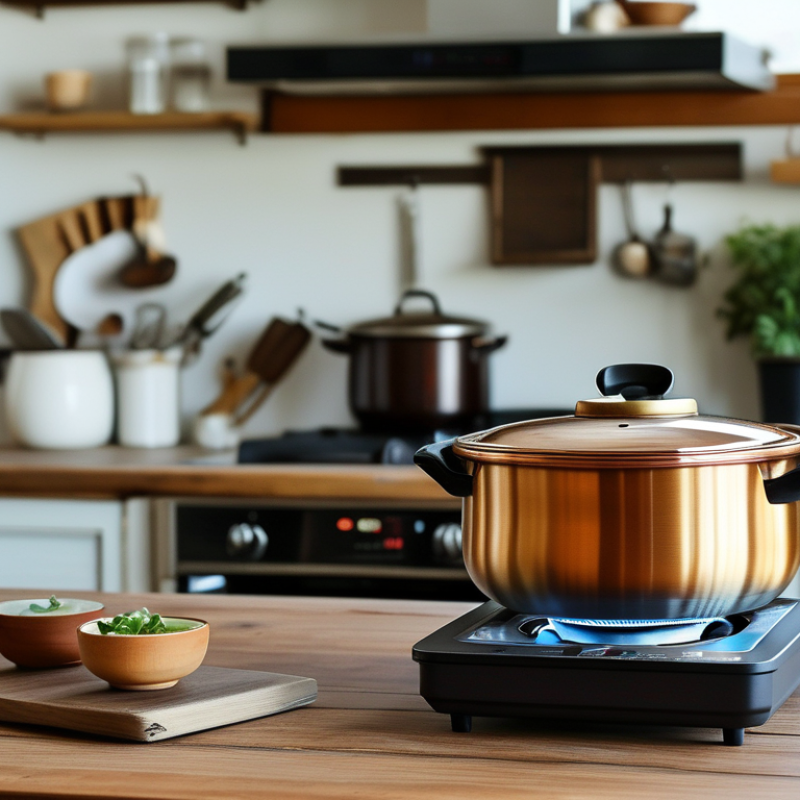
How Does an Induction Cooktop Work for Global Buyers?

Understanding Induction Cooking Technology

Induction cooking technology uses electromagnetic fields to heat pots and pans directly. This method requires compatible cookware made of ferrous materials. When placed on the cooktop, a magnetic field generates heat. The cooktop itself remains cool to the touch, reducing the risk of burns or fire.

One significant aspect of induction cooktops is energy efficiency. They heat quickly and respond instantly to temperature changes. However, users might find it challenging to adjust to the different cooking style. Some may mistakenly assume all cookware is compatible. In reality, only specific materials will work effectively.

Another consideration is the noise that can occur during cooking. Some users report a hum or buzz when the cooktop operates. This is common but can be surprising. While these issues may seem minor, they are important for those transitioning to this technology. Understanding these nuances can enhance the experience of using induction cooktops.

Understanding the Efficiency of Induction Cooking Technology

Components of an Induction Cooktop

Induction cooktops use electromagnetic energy to heat pots and pans directly. Key components include the induction coil, cooktop surface, and power supply. The induction coil generates a magnetic field when electricity flows through it. This field induces an electric current in the cookware, creating heat.

The cooktop surface is often made from durable glass or ceramic materials. It ensures easy cleaning and provides a sleek look. However, this surface can scratch easily with abrasive materials. Users must handle it carefully to maintain its appearance. The power supply controls the amount of energy sent to the induction coil, allowing for adjustable heat levels.

Not all cookware is compatible with induction cooktops. Only ferrous (magnetic) materials work effectively. Some pans may claim to be induction-ready but do not function well. This can lead to frustrating cooking experiences. Understanding these components and their interactions is crucial for an effective cooking experience. Proper care and informed choices in cookware can enhance your induction cooking journey.

How Does an Induction Cooktop Work for Global Buyers? - Components of an Induction Cooktop

Component Function Material Benefits
Induction Coil Generates a magnetic field Copper or Aluminum Wire Fast heating, energy-efficient
Cookware Conducts heat generated by induction Ferromagnetic Materials Precise temperature control, safety
Control Board Regulates power and temperature settings Silicon-based Electronics User-friendly interface, energy monitoring
Glass Surface Provides a cooking area and protective barrier Ceramic Glass Easy to clean, durable
Cooling Fan Disperses heat from internal components Plastic and Metal Prevents overheating, prolongs lifespan

How Induction Cooktops Generate Heat

Induction cooktops operate on a fascinating principle. They create heat through electromagnetic energy. Underneath the glass surface, there are coils of copper wire. When an induction cooktop is turned on, electricity flows through these coils. This generates a magnetic field that quickly heats the cookware placed above.

The real magic occurs when ferromagnetic pots and pans are used. The inductive energy directly heats the metal of the cookware. This means the cooktop itself stays cooler than traditional gas or electric stoves. However, not every pot works with induction. They must contain iron or steel to respond to the magnetic field.

While induction cooking offers precision and speed, it comes with a learning curve. Some may find it challenging to adjust to the instant changes in heat. Additionally, cookware selection can be limiting. Users need to be mindful of compatibility. Overall, understanding how induction cooktops generate heat enhances their appeal. Yet, they may not be the ideal choice for everyone.

Benefits of Using Induction Cooktops

Induction cooktops offer several practical benefits for modern kitchens. One of the most significant advantages is their efficiency. Cooking with induction heats up faster than traditional methods. The heat is generated directly in the cookware, reducing energy waste. This means less time waiting for water to boil or pans to heat up.

Another benefit is safety. Induction cooktops only heat the pan, leaving the surface cool to the touch. This can reduce the risk of burns, especially in households with children. Furthermore, they often come with built-in safety features, such as automatic shut-offs. Users can feel more at ease while cooking.

Cleaning is another area where induction cooktops shine. Spills do not burn onto the surface since it remains relatively cool during cooking. A quick wipe with a damp cloth often suffices to keep it clean. However, induction can require specific cookware, which some may find inconvenient. Reflecting on this, it’s important to consider whether your current pots and pans are compatible.

Safety Features of Induction Cooktops

Induction cooktops are becoming popular among global buyers. Their safety features stand out. Unlike traditional cooktops, induction surfaces remain cool to the touch. This reduces the risk of burns. When a pot is removed, the burner stops heating instantly. This proves essential, especially in busy kitchens.

Another notable feature is the built-in sensors. They detect the size and presence of cookware. If the pot is too small or absent, the cooktop will not operate. This prevents energy waste, enhancing efficiency. However, users must be aware of compatible cookware. Not all pots work with induction technology. Magnetic properties are a must, which can be limiting.

Additionally, child safety locks are standard in many models. This feature prevents accidental activation. It's a peace of mind for families. Despite these advancements, some users might feel hesitant. New technology can evoke fear. Understanding the cooktop’s functions is vital for safe use. The learning curve may be steep. Yet, embracing this innovation could make cooking safer and easier.

FAQS

: What is induction cooking technology?

: Induction cooking uses electromagnetic fields to heat pots and pans directly.

What type of cookware is needed for induction cooking?

Cookware must be made of ferrous materials, like iron or steel, to work effectively.

Why is energy efficiency important in induction cooking?

Induction cooktops heat quickly and respond instantly to temperature changes, saving energy.

Can all cookware be used on induction cooktops?

No, only specific cookware with magnetic properties is compatible.

Do induction cooktops make noise during operation?

Some users report a hum or buzz, which is normal but can be surprising.

How quickly does the cooktop cool down after use?

The cooktop remains cool to the touch, reducing burn risks when pots are removed.

What safety features do induction cooktops offer?

They have built-in sensors that prevent operation without compatible cookware.

Are there child safety features in induction cooktops?

Yes, many models include child safety locks to prevent accidental activation.

What can users find challenging about induction cooking?

The learning curve and cookware compatibility can be difficult for some users.

Why might some feel hesitant about using induction technology?

New technology may create fear and uncertainty; understanding its functions is essential.

Conclusion

Induction cooktops operate on a unique cooking technology that utilizes electromagnetic fields to generate heat directly within compatible cookware. This guide explains how does an induction cooktop work, detailing its essential components, such as the induction coil and the glass surface. When the cooktop is activated, the coil creates an electromagnetic field that induces a current in the pan, resulting in rapid heating.

The benefits of using induction cooktops are numerous, including energy efficiency and precise temperature control, which leads to quicker cooking times. Additionally, safety features such as automatic shut-off and cool-to-the-touch surfaces enhance their appeal for consumers. Overall, induction cooking combines advanced technology with practical benefits, making it an attractive option for modern kitchens.

Sienna

Sienna

Sienna is a skilled marketing professional with a deep expertise in our company’s core products and services. With a passion for innovation and detail, she plays a pivotal role in crafting insightful blog posts that not only highlight the unique features of our offerings but also provide valuable......