Top 10 Induction Cooktops vs Electric Stoves Which Is Best?

Time:2026-08-03 Author:Sienna
0%

In the ongoing debate of induction cooktop vs electric stove which is better, consumer preferences and technological advancements shape our choices. According to the U.S. Department of Energy, induction cooktops can be up to 50% more efficient than traditional electric stoves. This efficiency not only reduces energy costs but also minimizes cooking time.

However, some consumers are still hesitant about making the switch. Induction cooktops require compatible cookware, which can limit options. Some users report a learning curve with the controls, often feeling that traditional electric stoves are more intuitive.

In contrast, electric stoves offer a wider range of price points and are generally more accessible for average consumers. Industry experts highlight that personal preference plays a significant role in the decision-making process. With a variety of features and functionalities, understanding the nuances between these cooking technologies is crucial for informed choices.
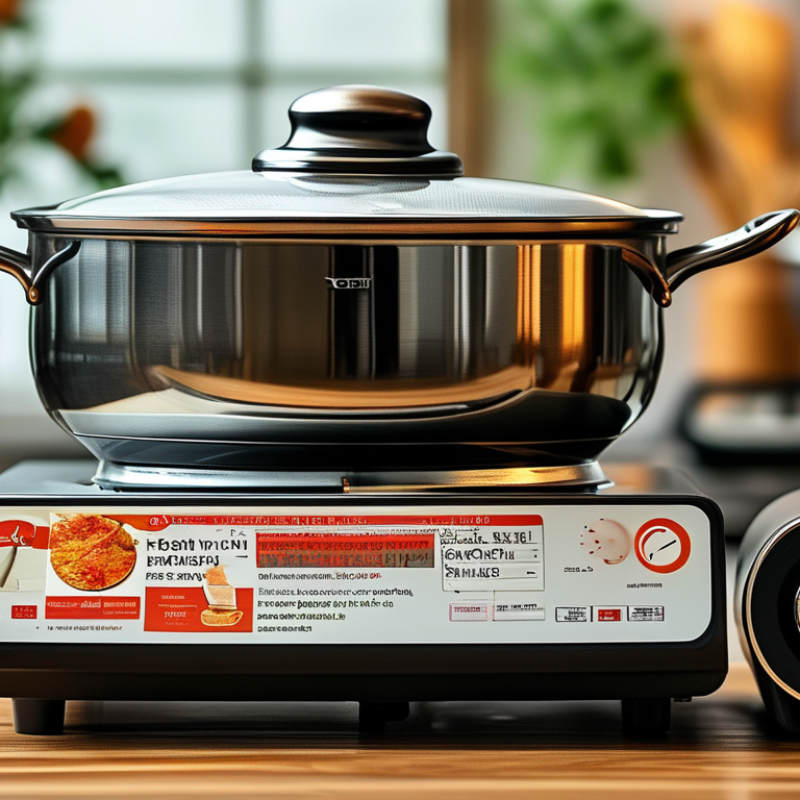
Top 10 Induction Cooktops vs Electric Stoves Which Is Best?

Overview of Induction Cooktops and Electric Stoves

Induction cooktops and electric stoves have distinct characteristics that appeal to different users. Induction cooktops use magnetic fields to heat cookware directly. This results in faster cooking times and less wasted energy. Studies show that induction cooktops can be up to 70% more efficient than traditional electric stoves. A report from the U.S. Department of Energy indicates that induction cooking can cut down on overall kitchen energy consumption.

Electric stoves, on the other hand, utilize radiant heat to cook food. While they may be more familiar to many, their efficiency rates can be lower, often not exceeding 50%. One downside of electric stoves is the longer cooking time. Home cooks often report frustrations with uneven heating and hot spots. These factors can lead to inconsistent results in meal preparation.

Another important consideration is safety. Induction cooktops are generally cooler to the touch since only the cookware heats up. This reduces the likelihood of burns. Electric stoves, conversely, retain heat on the surface even after being turned off. Consumers must weigh these aspects to determine which cooking method aligns with their needs.

Comparison of Induction Cooktops and Electric Stoves

Key Differences Between Induction and Electric Cooking Technologies

Induction cooktops and electric stoves both serve the primary purpose of cooking, but they use different technologies. Induction cooktops use electromagnetic energy to directly heat cookware, while electric stoves rely on resistance heating. According to the U.S. Department of Energy, induction cooktops are approximately 85%-90% energy-efficient. This contrasts with electric stoves, which typically operate at around 70% efficiency.

Induction cooking heats up faster. It can boil water in just a few minutes. Electric stoves, on the other hand, can take much longer. The direct heat from induction also provides more precise temperature control. However, not all cookware is compatible with induction. You need ferrous materials for it to work effectively. This can be a downside for some users.

Tips: Always check if your pots and pans are induction-compatible. Consider your cooking habits when choosing between these two technologies. If speed and efficiency are critical, induction may be the better option. However, if you enjoy traditional cooking methods, an electric stove could be sufficient. Remember that cooking preferences vary greatly, which is essential to consider.

Advantages of Induction Cooktops Over Electric Stoves

Induction cooktops offer several advantages over traditional electric stoves. They use electromagnetic energy to directly heat pots and pans. This method provides faster cooking times. A study indicates that induction cooktops can boil water 50% faster than electric models. This efficiency can save both time and energy in the kitchen.

Safety is another significant factor. Induction cooktops remain cool to the touch. This reduces the risk of burns during cooking. According to industry research, many homeowners report feeling safer with induction technology. The surface cools quickly, which minimizes accidents. Additionally, these cooktops automatically shut off when cookware is removed, adding another layer of safety.

Cleaning is simpler with induction cooktops, as spills do not burn onto the surface. Many users appreciate this feature, as it reduces kitchen maintenance time. However, some may find the initial investment cost higher than electric stoves. Reflecting on long-term savings, the energy efficiency can offset this upfront expense. Induction technology showcases clear benefits, yet some consumers may still hesitate to switch due to perceived complexities.

Disadvantages of Induction Cooktops Compared to Electric Stoves

Induction cooktops have gained popularity, but they come with disadvantages compared to electric stoves. One noticeable downside is their compatibility. Induction cooktops require special magnetic cookware. If your pots and pans are not compatible, the cooktop won't work. This restriction can lead to additional costs.

Another concern is the initial price. Induction cooktops tend to be more expensive than electric stoves. If you have a limited budget, this could be a significant factor in your decision. You might want to think about the investment's long-term value versus upfront costs.

Tips: When shopping for induction cooktops, always test the cookware compatibility. Many kitchen stores allow you to try out different pans. Be aware of your cooking habits. If you often use diverse cooking methods, electric stoves might serve you better. Remember, each cooking method has its unique advantages, so consider your kitchen needs carefully.

Factors to Consider When Choosing Between Induction and Electric Stoves

When deciding between induction cooktops and electric stoves, several factors come into play. The most significant is efficiency. Induction cooktops heat up quickly and provide precise temperature control. This allows for faster cooking times and reduces energy consumption. In contrast, electric stoves take longer to heat up and can lead to greater heat loss, as they rely on traditional coil elements or smooth tops.

Safety is another important factor. Induction cooking is generally safer because the cooktop remains cool to the touch while cooking. This reduces the risk of burns. However, users must consider compatibility with cookware. Induction requires ferrous materials, which limits some cooking options. Electric stoves, while generally compatible with any cookware, can pose fire hazards if not monitored properly.

User experience also matters. Induction cooktops offer a sleek, modern aesthetic and are easier to clean. But they can be more costly to repair if something fails. Electric stoves, being more familiar to many cooks, might be perceived as less intimidating. Each option has its pros and cons, requiring careful thought before making a choice. Are you willing to adapt to new technology for the benefits of induction, or do you prefer the reliability of electric models?

FAQS

: What is the main difference between induction cooktops and electric stoves?

: Induction cooktops use electromagnetic energy for direct heating, while electric stoves use resistance heating.

How energy-efficient are induction cooktops compared to electric stoves?

Induction cooktops are about 85%-90% energy-efficient, while electric stoves are around 70% efficient.

Why might someone choose an induction cooktop over an electric stove?

Induction cooktops heat faster and offer precise temperature control, making cooking quicker and more efficient.

Are all types of cookware suitable for induction cooking?

No, only cookware made of ferrous materials works with induction cooktops, which can limit options.

What are the initial cost considerations for induction cooktops?

Induction cooktops are generally more expensive than electric stoves, which can be a significant factor for budget-conscious buyers.

Is induction cooking safer than using electric stoves?

Yes, induction cooktops remain cool to the touch while cooking, reducing the risk of burns.

What is a common downside of induction cooktops?

The need for special magnetic cookware can lead to additional costs if current pots and pans are incompatible.

How easy is it to clean induction cooktops compared to electric stoves?

Induction cooktops are generally easier to clean due to their smooth surface, but repairs can be more costly.

Should I consider my cooking habits when choosing between the two technologies?

Yes, your cooking style may determine whether an electric stove or induction cooktop suits you better.

What factors should I reflect on before deciding between these cooking technologies?

Think about efficiency, safety, budget, and cookware compatibility before making a decision.

Conclusion

When comparing induction cooktops vs electric stoves, it’s essential to understand the key differences in their cooking technologies. Induction cooktops utilize electromagnetic energy to directly heat pots and pans, resulting in faster cooking times and greater energy efficiency. On the other hand, electric stoves generate heat through electric coils or glass surfaces, which can lead to longer cooking durations and energy consumption.

While induction cooktops offer several advantages such as precise temperature control and ease of cleaning, they can also come with disadvantages like higher upfront costs and compatibility limitations with certain cookware. Ultimately, the decision on which is better between an induction cooktop vs electric stove will depend on individual cooking preferences, budget considerations, and specific kitchen needs.

Sienna

Sienna

Sienna is a skilled marketing professional with a deep expertise in our company’s core products and services. With a passion for innovation and detail, she plays a pivotal role in crafting insightful blog posts that not only highlight the unique features of our offerings but also provide valuable......