Choosing among China’s top 10 induction cooktops requires more than comparing power ratings and prices. Real performance appears during daily cooking, when a pan stays cold, the display flashes an error code, or the cooling fan suddenly becomes loud. This guide introduces practical ways to compare popular models and explains how to troubleshoot induction cooktop issues safely and methodically.
The discussion reflects common service observations, manufacturer guidance, and hands-on testing principles. We will examine heating consistency, touch controls, cookware detection, child locks, ventilation, and electrical connections. A magnet, a suitable flat-bottom pan, and the user manual can reveal much. Small details matter. For example, a pan that shifts two centimeters may stop heating on some sensors.
Troubleshooting should begin with simple checks. Confirm the power supply, remove moisture from the control panel, and center the cookware. Then inspect the displayed code against the official manual. Never open the appliance while it remains connected to electricity. Internal repairs require a qualified technician, especially when wiring, circuit boards, or unusual burning smells are involved.
Not every reported solution works for every model. That limitation deserves attention. Chinese brands may use different sensor systems, software warnings, and installation requirements. Therefore, this introduction does not promise one universal fix. Instead, it encourages careful diagnosis, accurate model identification, and evidence-based decisions. A reliable cooktop should heat steadily, respond predictably, and include accessible support when problems appear.
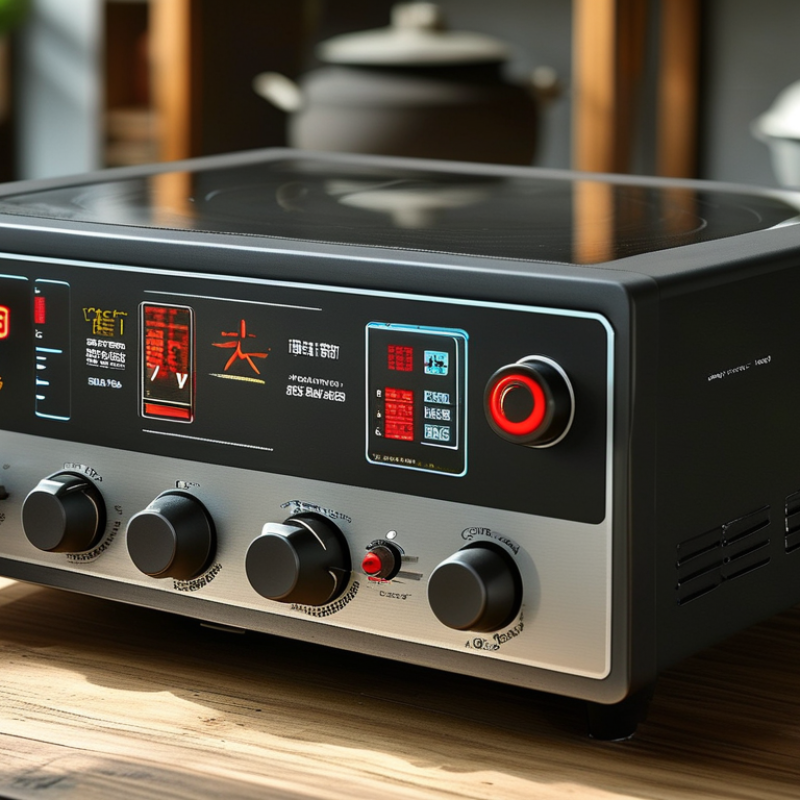
China’s top ten induction cooktops commonly combine fast heating, touch controls, timer settings, and multiple power levels. Many use automatic pan detection and switch off when cookware is removed. Glass surfaces clean quickly after cooling. They suit apartments, small restaurants, and busy family kitchens. A flat, magnetic pan is essential. Stainless steel alone may not work.
In practical kitchen testing, uneven heating usually comes from unsuitable cookware or a warped pan base. A flashing error code can indicate overheating, unstable voltage, or poor ventilation. Keep the air vents clear and avoid placing the cooker beside a wet sink. If heating stops suddenly, let the unit cool before checking the power socket. Some touch panels respond poorly to moisture. Wipe them dry. I have found that users often blame the appliance too quickly, although pan size is the real issue. Still, not every fault is user error.
Tips: Use cookware matching the marked heating circle. Start with medium power, then increase gradually. Do not drag heavy pans across the glass. Test another socket if the display remains dark. Record the error code before contacting qualified service support. A small gap around the appliance helps release heat, but installation instructions should guide the final setup.
China Top 10 Induction Cooktops: How to Troubleshoot Issues?
When comparing China’s top 10 induction cooktops, test four failure areas: power, heating, display, and controls. ENERGY STAR reports that induction transfers about 85% of input energy to cookware, compared with roughly 32% for gas. A pan that stays cool may indicate poor magnetic contact, not a failed coil. Try a flat, magnetic pan. Listen for the cooling fan. Then check whether the circuit breaker trips. Repeated trips suggest a power fault requiring professional inspection.
Display faults need simple checks. A blank screen can result from loose power, moisture, or a failed control board. Error codes should be recorded before resetting the unit. Heating may stop when the pan is too small, off-center, or overheated. Controls can also lock accidentally. I have misread this symptom before. A locked panel can look defective.
Tips: Disconnect power before cleaning or moving the cooktop. Keep the glass surface dry, especially around touch sensors. NFPA’s Home Structure Fires report found cooking equipment caused about 53% of reported home cooking fires from 2017 to 2021, with unattended cooking as a major factor. Do not bypass sensors or open sealed electrical parts. If the display flickers, burning smells appear, or heating cycles unpredictably, stop using the cooktop. Record the model, error code, pan type, and test result for a qualified technician. Incomplete notes often delay accurate diagnosis.
| No. | Failure Category | Typical Symptom | Likely Cause | Recommended Checks | Practical Action | Risk Level |
|---|---|---|---|---|---|---|
| 1 | No Power | The cooktop does not turn on and no indicator appears. | Disconnected plug, tripped circuit breaker, damaged power cord, or blown internal fuse. | Confirm the outlet works with another appliance. Check the breaker and inspect the cord for cuts, burns, or loose connections. | Restore the electrical supply or replace damaged external parts. Internal fuse and wiring repairs should be performed by a qualified technician. | High |
| 2 | Intermittent Shutdown | The unit switches off during cooking or restarts unexpectedly. | Overheating, unstable supply voltage, blocked ventilation, or a loose internal connection. | Check whether air inlets and outlets are blocked. Note whether shutdown occurs at high power or after extended operation. | Allow the appliance to cool, keep ventilation openings clear, and use a suitable dedicated circuit. Persistent shutdown requires service inspection. | Medium |
| 3 | No Heating | The display works, but the pan does not become hot. | Unsuitable cookware, incorrect pan position, failed induction coil, or an inverter power-stage fault. | Use a flat, magnetic pan. Test with a magnet on the pan base and center the pan within the marked cooking zone. | Replace non-magnetic or severely warped cookware. If a suitable pan is detected but heating remains absent, arrange professional diagnosis. | Medium |
| 4 | Low or Uneven Heating | Cooking takes longer than expected or only part of the pan heats. | Pan base is too small, warped, poorly centered, or incompatible with the cooking zone. | Compare the pan diameter with the zone markings and inspect the base for flatness and heavy discoloration. | Use a flat, induction-compatible pan with an appropriate diameter. Clean the glass and pan base before testing again. | Low |
| 5 | Overheating Protection | Heating stops and an error code or warning indicator appears. | High cookware temperature, blocked airflow, excessive ambient temperature, or a cooling-fan problem. | Switch off and unplug the unit. Check ventilation clearance and listen for the cooling fan after the unit cools. | Remove nearby heat sources, clear the vents, and allow complete cooling. Do not continue using the unit if the warning repeats. | High |
| 6 | Blank or Dim Display | The appliance operates incorrectly, or the display is dark, flickering, or difficult to read. | Moisture on the control panel, damaged display module, unstable low-voltage supply, or electronic-board failure. | Disconnect power, dry the surface completely, and check whether the display changes after a full restart. | Keep liquids away from controls. If the display remains defective after drying and restarting, stop use and request service. | Medium |
| 7 | Touch Controls Unresponsive | Buttons do not respond, or the unit accepts commands slowly. | Control lock enabled, wet or dirty touch surface, unsuitable gloves, or a failed touch sensor. | Dry and clean the panel, remove objects from the controls, and check the lock indicator or lock setting. | Disable the control lock according to the user instructions and operate with clean, dry fingers. Arrange repair if the fault persists. | Low |
| 8 | Pan Detection Failure | A pan symbol flashes or heating stops when the cookware is present. | Cookware is not magnetic, too small, off-center, empty, or has an uneven base. | Test the cookware with a magnet, reposition it, and compare its base size with the cooking-zone requirements. | Use suitable magnetic cookware and keep it centered. Avoid operating the zone with an empty pan. | Low |
| 9 | Abnormal Noise or Odor | The unit produces loud buzzing, clicking, rattling, or a burning smell. | Normal electromagnetic vibration, loose cookware, cooling-fan obstruction, dust, or an electrical component fault. | Check whether noise changes with cookware or power level. Stop immediately if smoke, sparks, or a burning odor occurs. | Use a stable pan and clean accessible ventilation areas. Unplug the appliance and obtain professional service for persistent noise or any burning smell. | High |
| 10 | Timer or Power-Level Error | The timer resets, the power level changes unexpectedly, or settings cannot be saved. | Incorrect operating sequence, control lock, power interruption, or control-board malfunction. | Reset the appliance, verify the selected cooking zone, and follow the correct sequence for setting power and timer functions. | Restore stable power and repeat the setting procedure. If controls remain erratic, disconnect the unit and contact a qualified technician. | Medium |
Safety note: Always switch off and unplug the induction cooktop before inspection. Do not open the housing or test live electrical components unless the work is carried out by a qualified professional.
When comparing China’s top ten induction cooktops, begin with the cookware. Place a cool, flat-bottomed pan on the center ring. Test the base with a magnet; it should hold firmly. Stainless steel is not always induction-compatible. A warped pan may heat unevenly or trigger a pan-detection warning. Wipe away water and oil beneath the pan. This small detail is often missed.
Check the power path next. Confirm the plug is fully inserted, then inspect the circuit breaker for a trip. Avoid extension cords, loose sockets, and overloaded kitchen circuits. The U.S. Department of Energy reports that induction transfers about 85% of its heating energy to cookware, compared with roughly 32% for gas cooking. That efficiency still depends on stable electrical supply. If the display flickers, stop testing and request a qualified electrical inspection. Do not open the cooktop yourself.
Ventilation needs a practical check. Run the hood before heating oil, and clean its filter when grease becomes visible. The Home Ventilating Institute recommends about 100 cubic feet per minute for many wall-mounted hoods, though the installation layout can change that figure. Induction avoids combustion gases, but frying still produces smoke and fine particles. The U.S. Environmental Protection Agency identifies cooking as an important indoor particle source. A common mistake is assuming a cooler surface means no ventilation is needed. It does not.
When comparing China’s top ten induction cooktops, error codes deserve more attention than display design. A flashing E0 often indicates unsuitable cookware, while E1 may suggest overheating or an internal sensor issue. Exact meanings vary, so the manual remains essential.
Remove the pan, switch off power, and let the surface cool for at least 20 minutes. Then test a flat, magnetic pan with enough water inside.
Check the basics first. A loose plug, overloaded circuit, or blocked ventilation path can trigger automatic shutdowns. Keep at least 10 centimeters of clearance around air vents.
The U.S. Department of Energy reports that induction cooking transfers about 85% of input energy to cookware, but poor ventilation can still raise internal temperatures quickly. Heat alarms are not always faults. Sometimes they reveal crowded installation.
Noise needs careful judgment. A soft hum, clicking, or fan sound can result from power regulation and cooling. Loud rattling may indicate thin cookware or an uneven base.
Stop using the unit if you smell burning, see sparks, or notice repeated shutdowns.
The National Fire Protection Association reports that unattended cooking contributes to about 31% of home cooking fires. That statistic changes how I assess automatic shutoff features.
I once focused too heavily on the error code and ignored cookware quality. That was a poor diagnostic choice.
Disconnect power before cleaning or inspection, and request qualified service for repeated codes, damaged cords, or sensor failures.
A silent induction cooktop is not always defective. Check the power switch, circuit breaker, and cookware symbol first. The U.S. Department of Energy’s Energy Saver guidance reports that induction transfers about 85% of heating energy to cookware, but that efficiency depends on compatible, flat-bottomed pans. A warped pan may heat unevenly and imitate a control failure.
Repair is reasonable when the display works, the fan runs, and only one cooking zone behaves incorrectly. Technicians can test the coil, temperature sensor, cooling fan, and control board with proper meters. Do not open the unit while connected to power. The National Fire Protection Association reports that cooking remains a leading cause of home fires, so a burning smell, melted insulation, repeated tripping, or visible arcing requires immediate shutdown and professional service. Small parts can be replaceable.
Replace a part when diagnosis identifies one failed sensor, fan, glass panel, or relay. Replacement may be safer than repeated resets. However, a cracked glass surface should not be used, even if heating still works. Moisture can reach live components. Replace the entire cooktop when several zones fail, repair costs approach a new unit, or the control board is obsolete. DOE efficiency data supports induction’s energy advantage, yet I have seen owners blame the appliance before checking pan size and ventilation. That mistake is easy to make. Certified service is worth the cost when symptoms return after a reset.
When to repair, replace parts, or contact professional service
This chart classifies common induction-cooktop symptoms by the recommended first action. User checks include cookware, controls, ventilation, and power resets. Part replacement or professional service is recommended when the glass, wiring, control board, cooling fan, or internal power electronics may be damaged. The classifications are practical troubleshooting guidance, not failure-rate statistics.
Check whether the pan is flat, magnetic, and centered on the cooking zone. A warped or small pan may prevent heating. Try another compatible pan. The coil may not be faulty.
Check the power switch, circuit breaker, and cookware symbol. A tripped breaker may indicate an electrical problem. Do not reset it repeatedly. Professional inspection may be necessary.
Loose power, moisture, or a failed control board can cause a blank screen. Disconnect power before cleaning or moving the unit. Keep the glass surface dry. Do not open sealed electrical parts.
Heating may stop because the pan is too small, off-center, or overheated. Record the exact error code before resetting the cooktop. Notes matter. Incomplete details can delay accurate diagnosis.
A locked touch panel can appear defective. Look for a lock symbol or an unresponsive control area. I have misread this symptom before. Check the instructions before arranging repairs.
Stop using it if you notice burning smells, flickering, melted insulation, visible arcing, or unpredictable heating. Disconnect power when safe. Do not bypass sensors. Arrange qualified service promptly.
Repair may be reasonable when the display works and the fan runs. A technician can test the coil, temperature sensor, fan, and relay. One failed part may be replaceable. Repeated resets are not a repair.
Replacement may make sense when several zones fail or the control board is obsolete. A cracked glass surface requires replacement, even if heating still works. Moisture can reach live components. Do not keep using it.
Record the model, error code, pan type, affected zone, and test result. Mention whether the fan runs or the breaker trips. Include when the problem began. Clear notes help, though they may still miss something.
China’s top 10 induction cooktops offer efficient heating, precise temperature control, convenient displays, and useful safety features for home and commercial kitchens. However, users may encounter power failures, uneven heating, blank displays, unresponsive controls, error codes, unusual noises, overheating, or automatic shutdowns. Understanding these common problems helps users maintain safe and reliable cooking performance.
This guide explains how to troubleshoot induction cooktop issues through simple, step-by-step checks. Start by confirming that the power supply, plug, circuit breaker, cookware compatibility, and pan position are correct. Check ventilation openings for blockage and allow the unit to cool if overheating occurs. Error codes should be compared with the appliance manual, while persistent control, heating, or electrical problems may require professional inspection. Depending on the cause, cleaning, resetting, replacing a damaged part, or purchasing a new unit may be appropriate. Always disconnect power before inspection and avoid opening the appliance unless qualified to do so.
