When it comes to cooking, the choice between induction cooktops and gas stoves often sparks debate. Many home chefs wonder, "induction cooktop vs gas stove which is better?" This question isn't just about preference. It’s about safety, efficiency, and convenience. Induction cooktops use electromagnetic energy to heat cookware directly, while gas stoves rely on an open flame. This fundamental difference impacts how each option performs in the kitchen.
Induction cooktops are known for their speed. They can boil water faster than gas, conserving both time and energy. Their precise temperature control allows for delicate cooking techniques, ensuring every dish turns out just right. Additionally, safety is a significant advantage of induction cooking. Without an open flame and with cooler surfaces, the risk of burns or fires is diminished.
However, some chefs argue that gas stoves offer better visual cues and traditional cooking feel. The tactile experience of cooking with flames can hold sentimental value. There are valid points on both sides, leading to reflections on personal cooking styles and needs. Ultimately, assessing the "induction cooktop vs gas stove which is better" question requires understanding individual priorities in the kitchen.
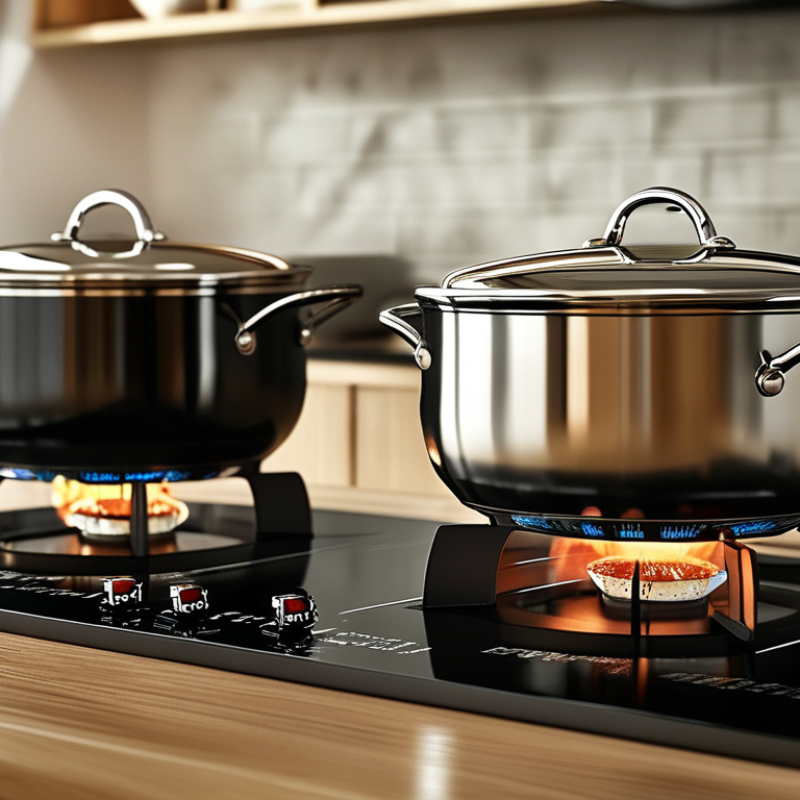
The Efficiency of Induction Cooktops: A Comparative Analysis
Induction cooktops have gained popularity due to their efficiency and modern design. Unlike gas stoves, induction cooktops directly heat pots and pans through magnetic fields, resulting in faster cooking times. This technology reduces energy loss and cooks food evenly. Studies suggest that induction cooktops can use up to 90% of their energy efficiently, compared to 40-55% for gas.
Cooking with induction also offers safety benefits. The cooktop surface remains cool to the touch, reducing the risk of burns. Additionally, precise temperature control is one of its highlights. It allows users to simmer or sear with accuracy, which is crucial for many recipes. This efficiency might lead to a reduction in overall energy costs in the long run.
Tip: When switching to induction, ensure your cookware is compatible. Not all materials will work efficiently. Cast iron and stainless steel are often the best choices.
Reflect on your cooking habits. Induction might not provide the same nostalgic experience as cooking with fire, which many cherish. However, the convenience and efficiency it brings encourage modern culinary practices that save time and resources. Embracing these changes can lead to a more sustainable kitchen environment.
Energy Consumption: Induction vs. Gas Stoves in Home Kitchens
Induction cooktops offer notable advantages over traditional gas stoves, particularly regarding energy consumption. A report from the U.S. Department of Energy reveals that induction cooktops convert nearly 90% of energy into usable heat, while gas stoves only achieve about 40%. This means less energy waste when cooking. In a typical home kitchen, this efficiency can significantly lower electricity bills over time.
Additionally, induction cooking is faster. According to research from the Cookware Manufacturers Association, induction heat can boil water 50% faster than gas. This time-saving aspect not only enhances cooking efficiency but also contributes to energy savings. However, some users find it challenging to adapt, as induction cooktops require compatible cookware.
Energy efficiency isn't the only consideration. Induction cooktops generate less heat in the kitchen, improving comfort. Many users appreciate the cooler working environment. Yet, initial costs for induction cooking can be higher. This might raise concerns about budget planning. Overall, while induction cooktops have benefits, consumers should weigh all factors carefully.
Cooking Time: Speed and Performance of Induction Cooking
Induction cooktops excel in speed and performance, making them an attractive option. They heat up quickly, reducing cooking time significantly. When a pan is placed on an induction cooktop, it heats rapidly due to electromagnetic energy that directly warms the cookware. This efficiency can cut cooking times by up to 50% compared to traditional gas stoves.
Tips: Always use flat-bottomed pans for optimal contact. This ensures even heating, making your dishes perfectly cooked.
The temperature control on induction cooktops is precise. This allows chefs to adjust heat instantly for delicate cooking tasks. Unlike gas, there are no temperature fluctuations, which ensures consistent results. It can be challenging to master this precision, but it’s worth practicing.
Tips: Experiment with different heat settings. Find the right level for your favorite recipes. Over time, you will understand the nuances of induction cooking.
Cooking performance can improve with a thorough understanding of your equipment. Induction provides immediate feedback on temperature changes. However, mastering this technology may take some time. Some may miss the tactile feel of gas flames. Embrace this new method, and you can transform your cooking experience.
Safety Features: Why Induction Cooktops Are Safer Than Gas Options
Induction cooktops are gaining traction due to their enhanced safety features compared to traditional gas stoves. Research from the National Fire Protection Association reveals that cooking equipment causes nearly 50% of home fires. Induction cooktops significantly reduce this risk. Their cooktops remain cool to the touch, minimizing burn injuries, while the heat only activates when compatible cookware is placed on the surface.
Another significant advantage is the elimination of open flames. The U.S. Consumer Product Safety Commission highlights that open flames can lead to accidental fires and injuries, especially in homes with children. Induction cooktops provide a safer environment in these settings. Voltage fluctuations also pose a risk for gas stoves. Inductions usually have built-in safety mechanisms that cut off energy when there’s no cookware.
Tip: When using induction cooktops, always ensure the cookware is compatible. Also, keep the cooking area clear to prevent any accidents. This will help enhance safety further. An induction cooktop does require a certain mindset shift. Many users may miss the visual aspect of cooking with gas. A careful approach is necessary to adapt.
Environmental Impact: Assessing Carbon Footprint of Induction and Gas Stoves
Induction cooktops have gained popularity due to their efficiency and environmental benefits. When assessing the carbon footprint, induction cooking emerges as a cleaner alternative to gas stoves. Gas appliances release carbon dioxide and methane, both potent greenhouse gases. In contrast, induction cooktops primarily use electricity, allowing for a reduction in direct emissions.
In areas where renewable energy sources power the grid, induction cooking can significantly lower household carbon footprints. For instance, homes utilizing solar or wind energy for electricity can effectively achieve zero emissions when cooking. However, the efficiency of this system depends on the local energy mix. In regions reliant on fossil fuels, the carbon impact of induction can be less favorable.
Transitioning to induction cooking is a step toward reducing climate impact. It is crucial to consider the entire lifecycle of both systems. Manufacturing, waste, and energy sourcing all play a role in their environmental effects. While induction offers many benefits, it’s important to evaluate these factors critically. Knowledge about the energy used can lead to more informed choices and sustainable living.
Top 10 Reasons Why Induction Cooktops Are Better Than Gas Stoves? - Environmental Impact: Assessing Carbon Footprint of Induction and Gas Stoves
| Aspect |
Induction Cooktops |
Gas Stoves |
| Energy Efficiency |
90% - 95% |
40% - 60% |
| CO2 Emissions (kg/h) |
0.15 |
0.25 |
| Heat Loss |
Less than 10% |
Up to 40% |
| Safety Features |
Automatic shut-off, no open flame |
Open flame risk, limited auto shut-off |
| Installation Impact |
Requires electrical outlet |
Gas line installation needed |
| Environmental Impact |
Lower overall emissions |
Higher emissions due to combustion |
| User Experience |
Fast heating, precise control |
Variable heating, slower response |
| Maintenance |
Easy to clean, flat surface |
Harder to clean, grates and burners |
| Lifespan |
15-20 years |
10-15 years |
| Cost of Operation (Annual) |
$200 - $300 |
$300 - $450 |
FAQS
: Induction cooktops use magnetic fields to directly heat pots and pans, achieving up to 90% energy efficiency.
Induction cooktops can boil water 50% faster than gas, saving time and energy during cooking.
Yes, they are safer due to cool surfaces and no open flames, reducing the risk of burns and fires.
Only certain materials work well. Cast iron and stainless steel are usually the best choices.
Induction generates less ambient heat, creating a cooler cooking environment compared to gas stoves.
Adapting to induction may be difficult, especially if you're used to the nostalgic feel of gas cooking.
Higher efficiency can lower electricity bills over time, but initial costs may be a concern for some users.
Reflect on your cooking habits, compatibility of your cookware, and the initial investment required.
Induction cooktops significantly reduce fire risk by avoiding open flames and having built-in safety mechanisms.
Users may miss the visual aspect of cooking with flames and need to approach cooking differently.
Conclusion
Induction cooktops are increasingly favored over gas stoves for several compelling reasons. Firstly, their efficiency is notable; induction cooktops provide rapid heat and precise temperature control, making them ideal for various cooking techniques. When comparing energy consumption, induction cooktops typically use less power, translating to lower utility bills in home kitchens. Additionally, they excel in cooking speed, reducing meal preparation time significantly.
Safety is another critical factor where induction cooktops outperform gas stoves. They remain cool to the touch, reducing the risk of burns, and eliminate the dangers associated with gas leaks. Furthermore, from an environmental perspective, induction cooking presents a smaller carbon footprint, adding to its appeal. In summary, when considering the induction cooktop vs gas stove which is better, the advantages of induction technology in efficiency, safety, speed, and environmental impact make a strong case for its superiority.

 Aris Cooktop