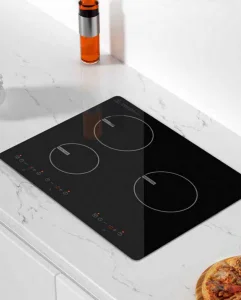
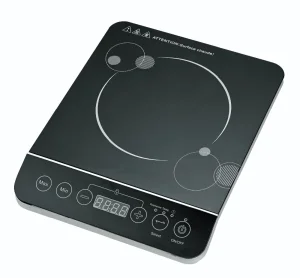
Explore our premium commercial, built-in, and smart kitchen solutions engineered for high performance, compliance, and energy efficiency.
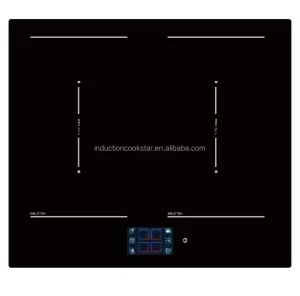
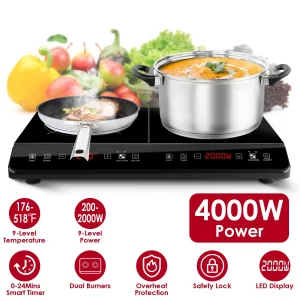
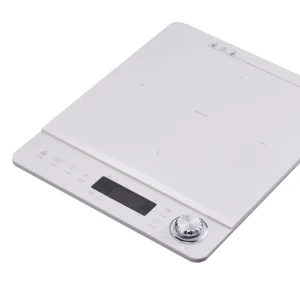
The global cooking appliance sector is undergoing a profound paradigm shift driven by decarbonization, electrification mandates, and the growth of the IoT ecosystem.
Historically, commercial and residential kitchens relied heavily on natural gas and open-flame systems. However, dynamic changes in building codes—particularly across the European Union and North America—coupled with urgent global initiatives to achieve carbon neutrality are phasing out gas infrastructure. Induction technology is the premier alternative, showing heating efficiency ratings up to 90%, far surpassing gas (40-55%) and traditional electric radiant elements (70%).
Concurrently, "smart home" expectations are evolving from basic remote access to fully integrated, hands-free cooking assistance. Bluetooth-enabled induction cooktops sit at the intersection of this transition. By coupling the cooktop's electromagnetic heating coils with wireless food probes or external digital sensor arrays, cooking moves from manual temperature setting to algorithmically governed thermal precision. Industry data indicates the smart kitchen market is projected to reach $52.7 billion by 2030, with Bluetooth and wireless-integrated appliances demonstrating the fastest compound annual growth rate (CAGR).
Standard induction units measure pan-bottom temperature through glass panels, causing latency. Bluetooth technology integrates directly with real-time internal food probes for precise cooking control.
CE Certification serves as the standard regulatory passport in Europe. Modern Bluetooth-equipped devices require strict EMC/EMF planning to prevent wireless signal dropouts or interference.
Transitioning to all-electric building specifications benefits from induction technology, lowering peak grid load through power-sharing algorithms and high power-factor operation.
Designing high-frequency electromagnetic heating matrices that operate concurrently with 2.4 GHz wireless transceivers requires sophisticated RF shielding and power electronics.
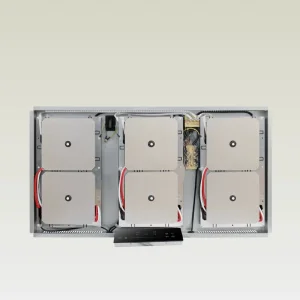
Induction cooktops heat cookware by establishing a high-frequency magnetic field (typically 20 kHz to 50 kHz) using induction coils. This primary loop generates significant electromagnetic fields (EMF) that can easily disrupt surrounding electronics. Integrating a 2.4 GHz Bluetooth module requires robust radiofrequency (RF) design.
To prevent communication dropping or signal noise, we deploy custom metal shielding around the Bluetooth microcontroller unit (MCU). Additionally, we implement dynamic software frequency hopping and optimize layout placement relative to the induction coil's magnetic flux concentration plates (ferrite bars).
The core of our power stage relies on high-grade German Insulated Gate Bipolar Transistors (IGBTs). These transistors switch heavy electrical currents rapidly to drive the resonant tank circuit. German-engineered IGBTs deliver superior thermal stability, lower conduction losses, and long operational lifespans under continuous load conditions. Incorporating soft-switching topologies (quasi-resonant or full-bridge configurations) reduces stress on the semiconductors, minimizing heat generation and EMI profile.
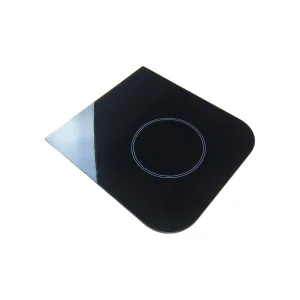
Traditional induction cooktops read temperature via an NTC thermistor placed under the ceramic glass. This system introduces significant measurement lag and does not reflect actual food temperature. Our Bluetooth-integrated cooktops pair directly with wireless temperature probes inserted inside the food. The temperature readings are updated instantly (100ms refresh rate) via Bluetooth Low Energy (BLE), adjusting power output to maintain target temperatures within ±0.5°C.
By leveraging direct wireless probe telemetry, the cooking control loop implements PID (Proportional-Integral-Derivative) algorithms. This maintains accurate simmering, preventing milk from boiling over, chocolate from burning, and enabling precise water bath control for sous-vide cooking directly on the cooktop surface.
Meeting European Standards and regional guidelines guarantees import safety, network compliance, and market access.
| Regulatory Directive | CE / European Standards | Description & Implementation Details | Compliance Status |
|---|---|---|---|
| LVD (2014/35/EU) | EN 60335-1, EN 60335-2-6 | Appliance safety testing for household electrical cooktops and ranges. Ensuring isolation barrier integrity. | Certified |
| EMC (2014/30/EU) | EN 55014-1, EN 55014-2 | Electromagnetic compatibility. Validates that the cooktop does not interfere with wireless networks and household appliances. | Certified |
| RED (2014/53/EU) | EN 300 328, EN 301 489 | Radio Equipment Directive covering Bluetooth and Wi-Fi transmission power, frequency usage, and network integration. | Certified |
| RoHS (2011/65/EU) | EN IEC 63000 | Restriction of hazardous substances. Lead-free solder assembly, cadmium-free components across all printed circuit boards. | Certified |
| ErP (2009/125/EC) | Regulation (EC) 66/2014 | Ecological design requirements measuring energy consumption per kg of cookware. Standby power consumption restricted to < 0.5W. | Certified |
How Bluetooth induction hobs integrate across various modern environments—from smart residential kitchens to high-traffic commercial setups.
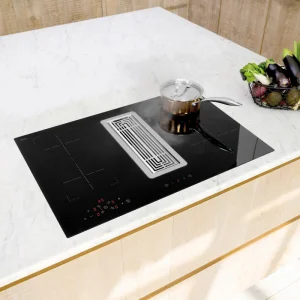
Seamlessly integrates into modern IoT ecosystems. Bluetooth connectivity pairs the cooktop with range hoods, automatically adjusting extraction fans based on heat and moisture levels. Users can sync cooking cycles with mobile apps for guided recipes and meal monitoring.
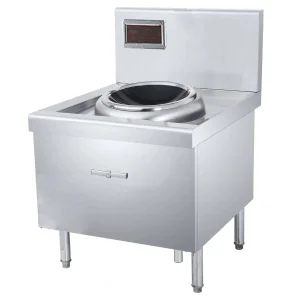
For restaurants and meal delivery platforms, consistency is critical. Chefs can upload temperature-time cooking profiles to the cooktop. The Bluetooth interface monitors probe temperatures, ensuring identical cooking outcomes regardless of the kitchen operator.
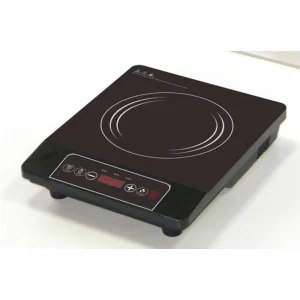
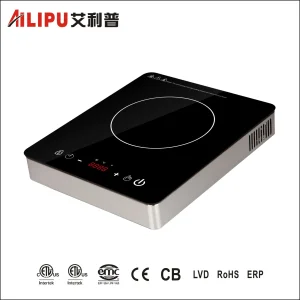
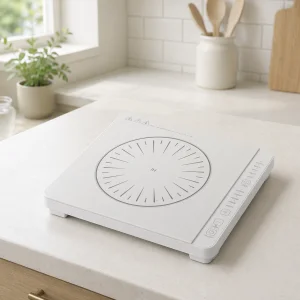
Designed for RVs, yachts, and compact modular apartments. Portable Bluetooth single-burner units combine energy efficiency and safety. The automated shutoff triggers if connection or cookware contact is lost, minimizing risk in small living spaces.
Our commitment to continuous innovation guides the next generation of electromagnetic heating appliances.
The next phase of smart cooking is defined by wider connectivity and AI integration. Foshan Aris Cooktop Co., Ltd. is currently developing hobs that support the new Matter smart home protocol. This will enable universal smart home interoperability, allowing our cooktops to communicate directly with platforms from Apple, Google, Amazon, and Samsung without requiring proprietary gateways.
Additionally, we are researching Multi-Coil Free-Zone Induction, which tracks cookware shape and size automatically across the surface. When paired with machine-learning-based cooking algorithms, these appliances can detect boiling states dynamically, reducing power to prevent spillover without manual adjustments.
A leading OEM/ODM manufacturing partner specializing in advanced kitchen appliances.
Foshan Aris Cooktop Co., Ltd. is a professional China induction cooktop manufacturer and smart induction stove supplier, specializing in the research, development, manufacturing, and global distribution of advanced kitchen cooking appliances. Based in Foshan, Guangdong, a renowned center for home appliance manufacturing, the company is committed to delivering innovative, energy-efficient, and reliable cooking solutions for customers worldwide.
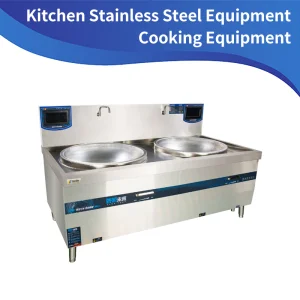
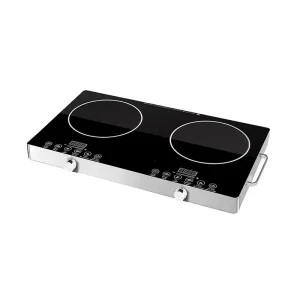
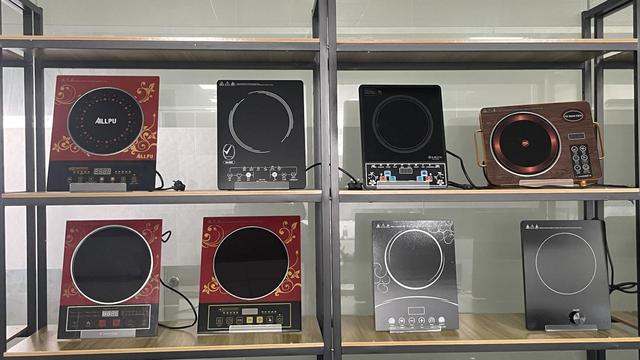
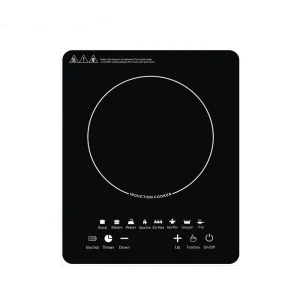
Aris Cooktop offers a comprehensive range of products, including built-in induction cooktops, portable induction cookers, commercial induction stoves, double burner induction cooktops, smart induction hobs, and customized kitchen appliance solutions. Combining modern design with intelligent technology, our products are engineered to provide fast heating, precise temperature control, enhanced safety, and superior energy efficiency for both residential and commercial applications.
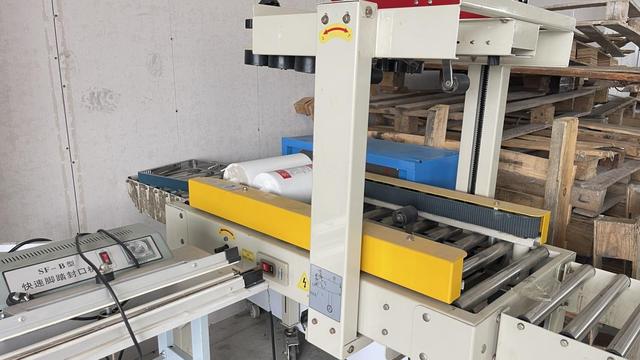
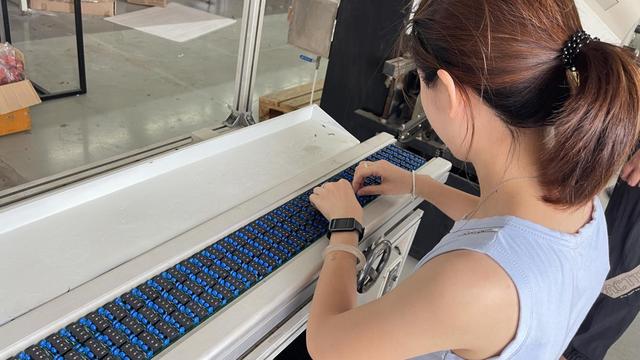
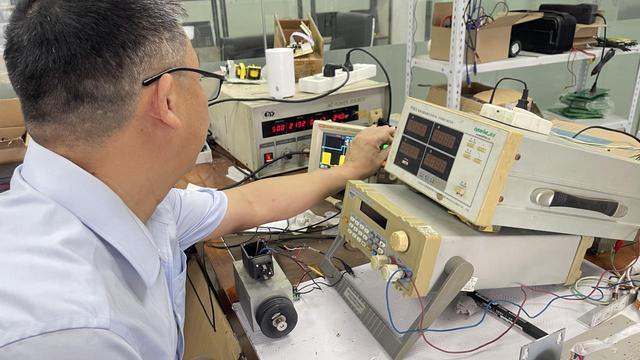
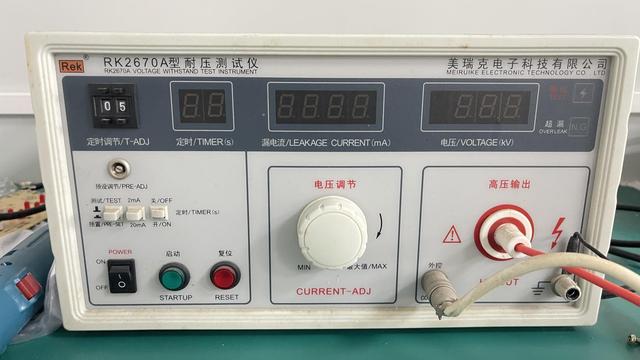
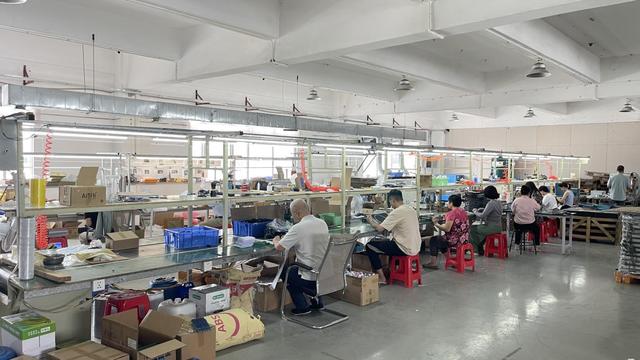
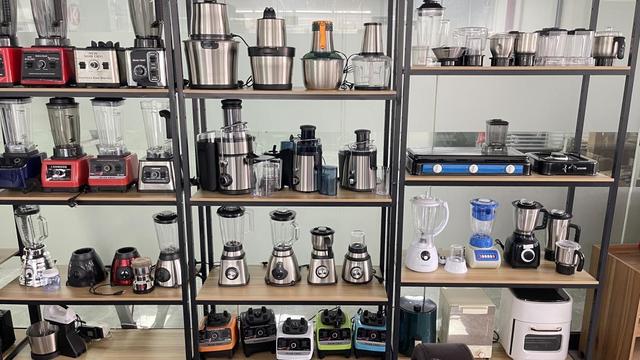
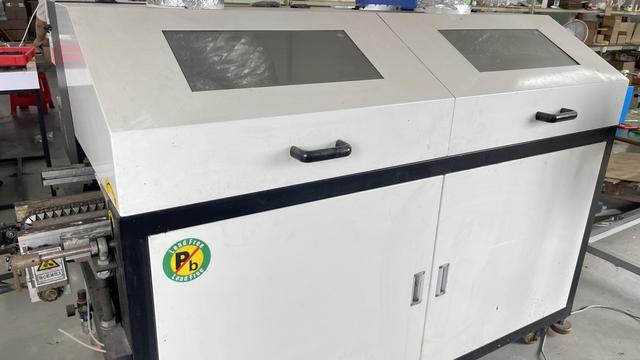
Equipped with advanced production facilities and automated assembly lines, Aris Cooktop maintains strict quality control throughout every stage of manufacturing. From raw material sourcing and component inspection to product testing and final packaging, each induction cooktop undergoes comprehensive performance and safety evaluations to ensure compliance with international quality standards.
To meet the diverse requirements of global markets, we provide flexible OEM and ODM services for international brands, distributors, wholesalers, retailers, and e-commerce businesses. Our experienced R&D team works closely with customers to develop tailor-made products, offering customized designs, functions, user interfaces, packaging, and private label solutions.
Driven by innovation, quality, and customer satisfaction, Foshan Aris Cooktop Co., Ltd. continues to strengthen its presence in global markets. We strive to become a trusted partner for smart kitchen appliances by delivering high-performance induction cooking solutions that create safer, more convenient, and energy-saving cooking experiences for consumers around the world.


Find technical details regarding design compliance, wireless configuration, manufacturing customization, and product operations.
Review additional commercial, built-in, and portable models built to meet global performance standards.
 Aris Cooktop