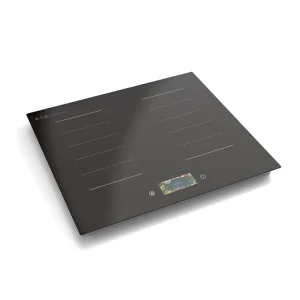
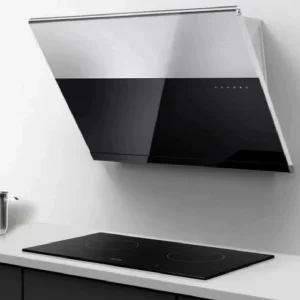
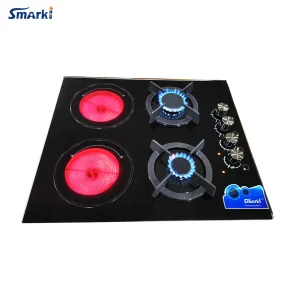
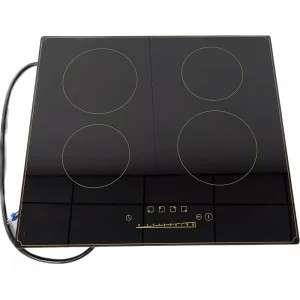
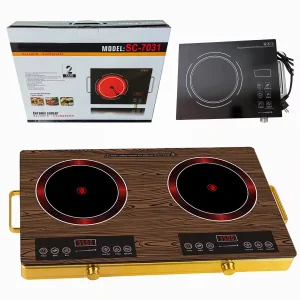
China Best Hybrid Induction Range Factories & Exporter

Precision Engineering, Multi-Zone Hybrid Integration, and Global Compliance Standards for Next-Generation Commercial & Residential Kitchens

15+
Years R&D Experience
50+
Global Countries Exported
100%
Safety & QC Inspection
OEM/ODM
Flexible Supply Models

The Definitive Industry Report: Strategic Sourcing of Hybrid Induction Cooktops from China

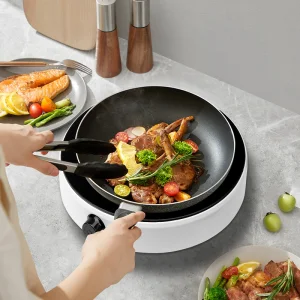
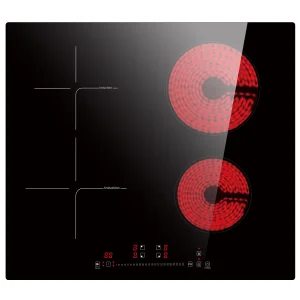
As global energy structures pivot toward electrification and domestic safety standards tighten, the demand for high-efficiency kitchen appliances has expanded exponentially. Hybrid cooking appliances—which combine fast-heating induction coils with versatile radiant infrared zones or traditional gas burners—represent the absolute pinnacle of contemporary culinary technology. By merging multiple heating mechanisms onto a single glass-ceramic plane, these units resolve localized infrastructure constraints while satisfying diverse consumer culinary preferences.

Information Gain Highlight: Unlike single-technology stoves, a modern Hybrid Induction Range provides absolute redundancy. In regions with fluctuating electricity supply or specific culinary styles requiring open-flame cooking, a hybrid unit bridges the gap by offering combined induction and gas/radiant capabilities on the same chassis.

Foshan Aris Cooktop Co., Ltd.: Engineering Global Kitchen Innovation

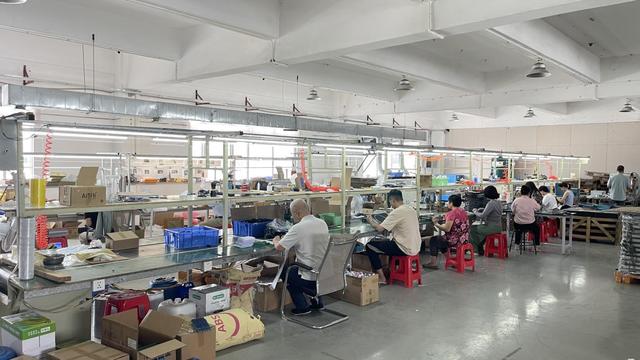
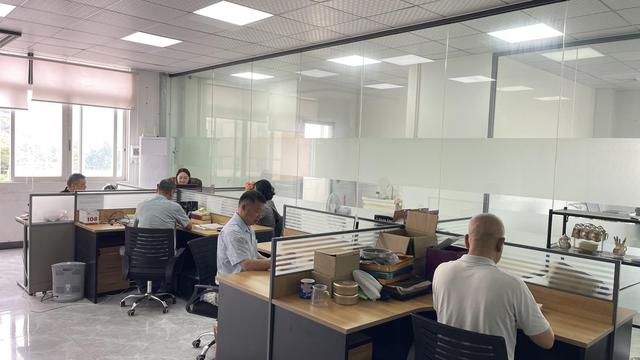
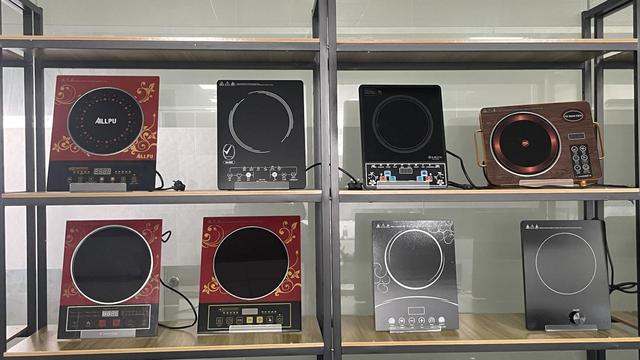
Based in Foshan, Guangdong—the recognized global capital for household appliance manufacturing—Foshan Aris Cooktop Co., Ltd. stands as a premier manufacturer and exporter of smart induction cooktops and hybrid cooking appliances. Our modern manufacturing facility is engineered to execute high-volume OEM/ODM projects, bringing together structural designers, electrical engineers, and quality assurance specialists to deliver unparalleled kitchen solutions.

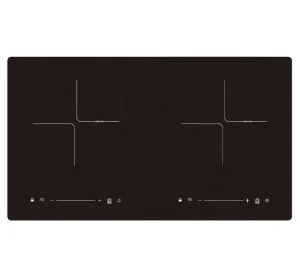
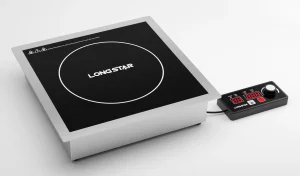
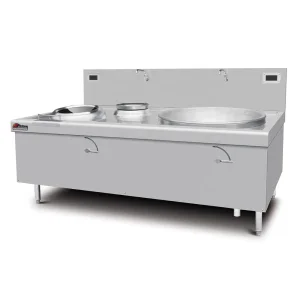
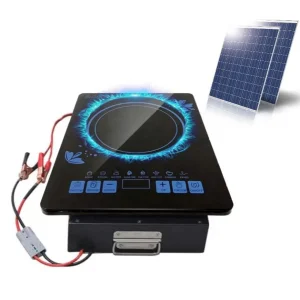
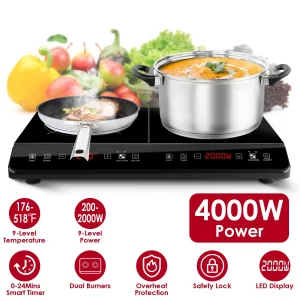
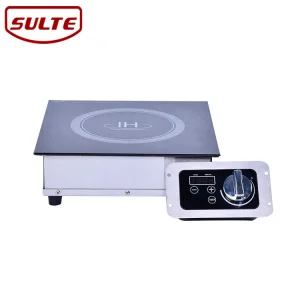
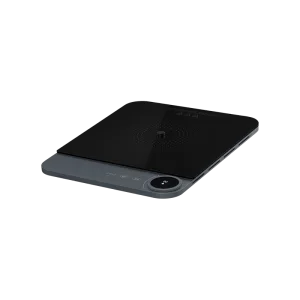
Our product portfolio ranges from compact portable induction zones to complex multi-burner built-in hobs featuring integrated TFT touchscreens, Wi-Fi connectivity, and dynamic flex-zone configurations. Every appliance engineered in our facility undergoes rigorous diagnostic testing to assure heat-dissipation efficiency, electromagnetic compatibility (EMC), and physical impact durability.

Manufacturing Advantages of China's Leading Hybrid Range Factories

The manufacturing supremacy of China's premier hybrid induction range factories, particularly within the Foshan industrial corridor, is driven by structural ecosystem advantages:
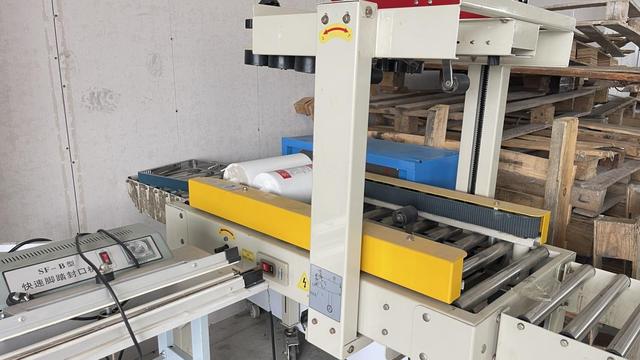
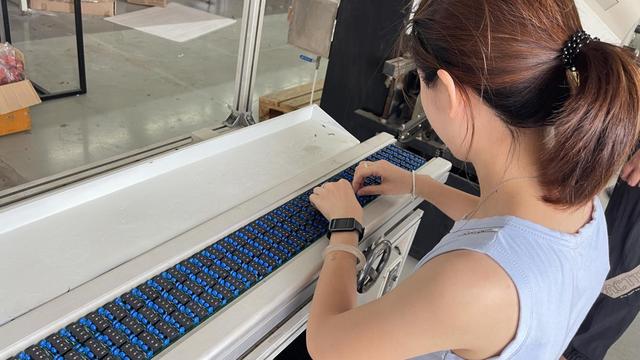
  • End-to-End Supply Chain Integration: Within a 50-kilometer radius of our facility, we source high-grade crystallite glass panels, custom electromagnetic induction coils, advanced microcomputer control boards, and premium microcrystalline panels. This dense cluster minimizes logistics times, reduces raw material costs, and accelerates prototype turnaround.
  • Advanced Semiconductor Sourcing: By integrating industry-standard IGBT chips (such as those from Infineon or top-tier domestic semiconductor fabs), our hybrid ranges ensure stable power conversion, minimal switching losses, and long operational life under extreme heat profiles.
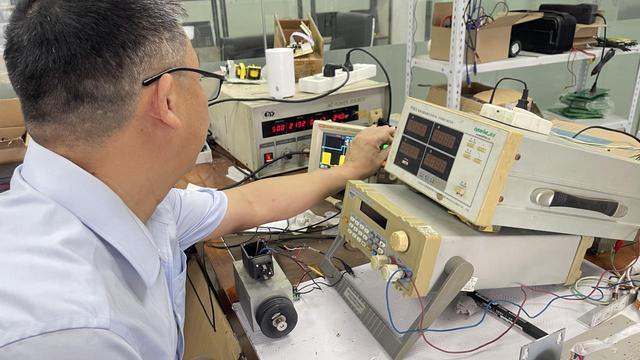
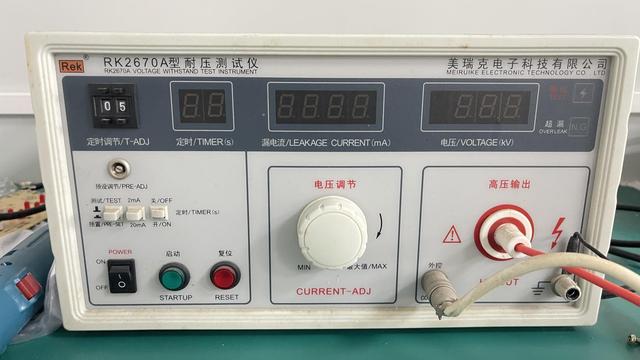
  • Rigorous Testing Frameworks: Our internal laboratory monitors key performance metrics: high-voltage breakdown limits, continuous boiling endurance under varied ambient temperatures, and thermal shock resistance of the glass hobs.

State-of-the-Art Production & Quality Control Facilities

Engineering Innovation & Global Market Adaptation

We deploy advanced technologies that resolve real-world deployment challenges for global distributors and commercial kitchen designers.

Voltage & Power Adaptation

We customize control circuitry to accommodate diverse national electrical standards. Whether your project demands 110V-120V (60Hz) configurations for North America or 220V-240V systems for European and Asian grids, our power boards manage current draw efficiently without overheating.

Dynamic Flex-Zone Control

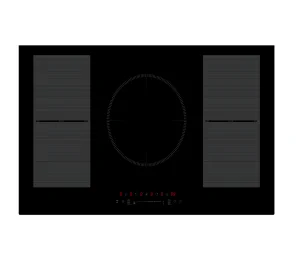
Traditional induction cooktops limit pot sizes. Our smart flex-zone technology uses multiple overlapping micro-coils to detect the size and shape of any iron-based cookware, automatically directing power only to the contact zone for maximum energy efficiency.

Multi-Tier Safety Systems

Equipped with thermal sensors under the glass surface, automatic pan detectors, residual heat indicators, and digital lock mechanisms, our ranges prevent accidental activation, dry-boil situations, and structural overheating in high-traffic kitchens.

Industry Development Trends (2025-2030)

The global cooktop market is witnessing a rapid convergence of technologies. High-performance hybrid cooktops are replacing standard gas ranges due to three major technological trends:

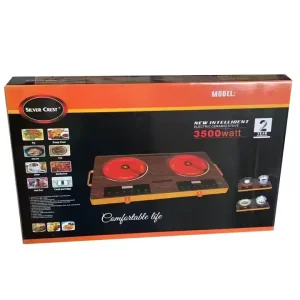
  • Dual-Source Synergy: The union of induction (which heats the cookware directly via electromagnetic field) and infrared radiant burners (which use heating ribbons to warm any pan material, including copper, glass, and clay) provides ultimate culinary flexibility.
  • Smart Home Integration: Integrated Wi-Fi chips and Bluetooth meat probes communicate directly with the range control processor, enabling automated multi-phase cooking cycles via mobile apps or voice controllers.
  • Eco-Efficiency and Decarbonization: Government rebates in Europe and North America incentivize the transition from gas-only hookups to electric/induction ranges, positioning hybrid models as the perfect transitional product.

Global Corporate Procurement & Sourcing Solutions

As an experienced exporter, Foshan Aris Cooktop Co., Ltd. addresses the core pain points of B2B buyers—importers, hospitality developers, appliance brands, and large-scale e-commerce retailers:

  • Comprehensive Compliance Assurance: Our cooktops are engineered to pass stringent international regulatory hurdles, carrying CE, CB, RoHS, and FCC marks to facilitate smooth customs clearance and regional certification.
  • Flexible ODM/OEM Customization: We offer customizable logo branding, front-panel glass graphics, touch panel layouts, housing materials (stainless steel or heavy-duty plastic), and bespoke carton packaging designs.
  • Optimized Logistics & Safe Transport: Using high-density impact foams, reinforced outer cartons, and drop-tested configurations, we guarantee zero transit breakage for bulk container shipments.

Frequently Asked Questions

Get authoritative answers on engineering specifications, ordering protocols, and technology integrations.

1. What makes a hybrid induction-radiant range superior to standard induction hobs?
A hybrid hob combines the ultra-fast heating speed and energy efficiency of induction cooking with the cookware flexibility of infrared radiant zones. Since induction relies on electromagnetic fields, it requires iron-based cookware. The infrared radiant burner, however, works via direct thermal transfer, allowing you to use glass, ceramic, aluminum, or copper pots on the same appliance.
2. Can your factory adapt products for different national voltage grids?
Yes. We engineer power control modules specifically matching local electrical grid requirements: 110V-120V AC (50/60 Hz) for markets like the USA and Canada, and 220V-240V AC (50/60 Hz) for Europe, Asia, Australia, and South America. We also configure power management settings to respect local amperage limits.
3. What OEM and ODM options are available for global brand distributors?
We provide full-spectrum customization. This includes custom branding on the ceramic glass, bespoke user interface (UI) designs (TFT touchscreens or standard digital readouts), custom coil placement, structural chassis modifications, specialized packaging box design, and software adjustments (such as adding custom cooking program profiles).
4. How does Aris Cooktop handle quality control and certification?
Every cooktop undergoes a three-stage testing system: 1) incoming component validation (IGBTs, logic boards, glass), 2) in-line functional diagnostics (power accuracy, thermal transfer), and 3) post-production safety inspection (high-voltage resistance, leakage currents, and impact tests). We coordinate with agencies to ensure compliance with CE, CB, RoHS, and local certifications based on buyer needs.
5. What is the typical lead time for a bulk commercial container order?
For initial custom OEM orders, production takes approximately 30 to 45 days after design approval and deposit receipt. Repeat orders can be fulfilled within 25 to 30 days. We maintain safety inventory components to expedite standard production cycles.