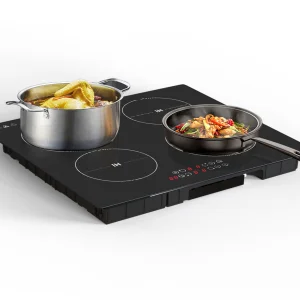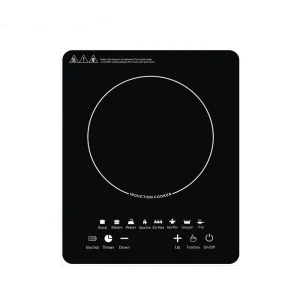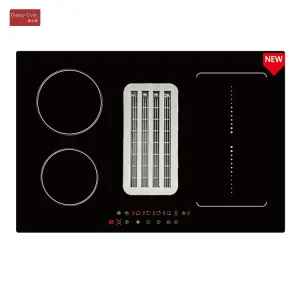
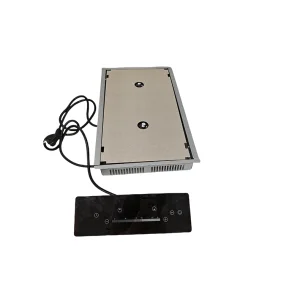
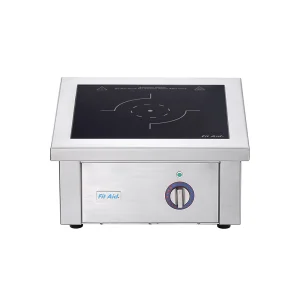
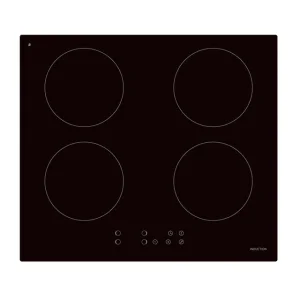
The global kitchen appliance landscape is undergoing a radical transition. Driven by structural shifts in urban housing, skyrocketing energy costs, and stringent eco-design regulations, residential and commercial kitchen developers are migrating from gas-fired systems to high-performance electromagnetic induction units. Compact induction stoves have emerged as the cornerstone of this evolution. By utilizing electromagnetic fields to excite iron atoms directly within the cookware, these devices bypass thermal conduction losses, offering an energy efficiency rating exceeding 90% compared to a meager 40% for natural gas ranges.
This transition is catalyzed by three major macro-drivers:
As metropolitan centers experience an influx of single-person households and studio apartments, kitchen real estate has shrunk dramatically. Compact, built-in, and multi-functional hobs are now essential design choices for modern urban architecture.
Global legislative bodies—such as the European Union under the ErP Directives and multiple US states banning new natural gas hookups—are actively enforcing electric-only building policies, forcing developers to look for certified OEM induction manufacturers.
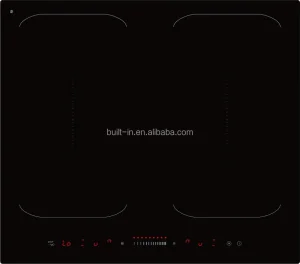
The rise of the "Internet of Things" (IoT) and high-end minimalism has sparked massive demand for smart-connected hobs and under-counter "invisible" induction hobs, turning the kitchen counter into a seamless workstation.
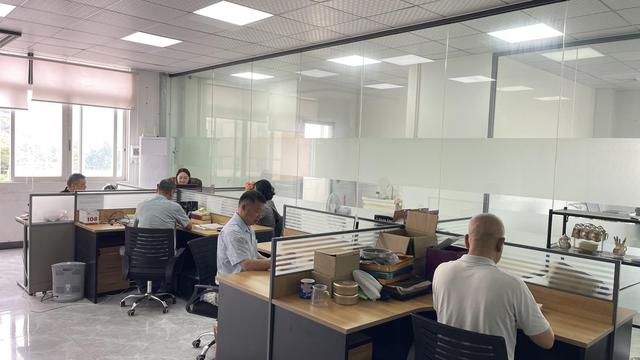
Foshan Aris Cooktop Co., Ltd. is a professional China induction cooktop manufacturer and smart induction stove supplier, specializing in the research, development, manufacturing, and global distribution of advanced kitchen cooking appliances. Based in Foshan, Guangdong, a renowned center for home appliance manufacturing, the company is committed to delivering innovative, energy-efficient, and reliable cooking solutions for customers worldwide.
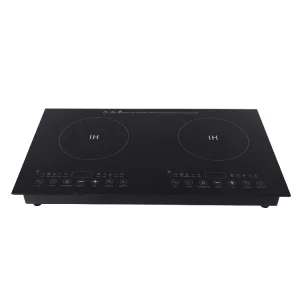
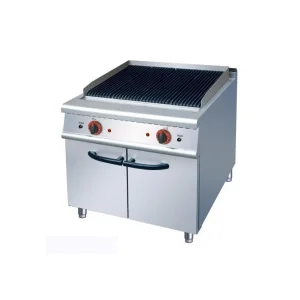
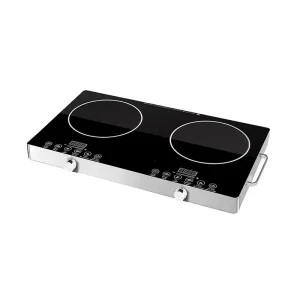
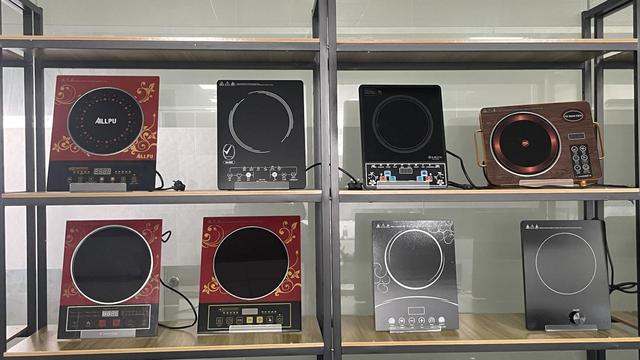
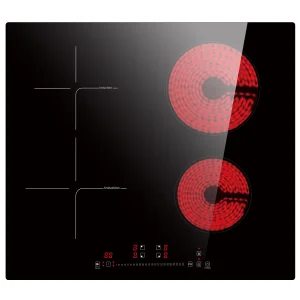
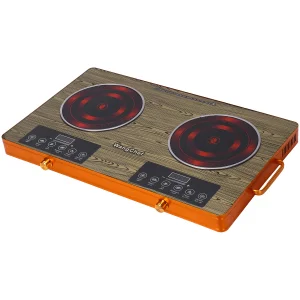
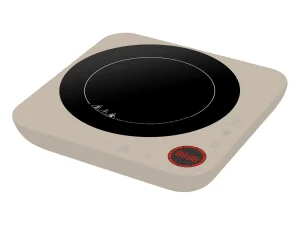
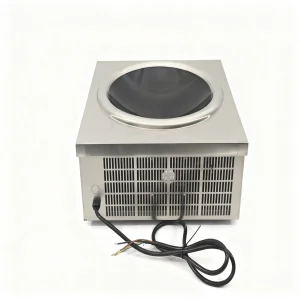
Aris Cooktop offers a comprehensive range of products, including built-in induction cooktops, portable induction cookers, commercial induction stoves, double burner induction cooktops, smart induction hobs, and customized kitchen appliance solutions. Combining modern design with intelligent technology, our products are engineered to provide fast heating, precise temperature control, enhanced safety, and superior energy efficiency for both residential and commercial applications.
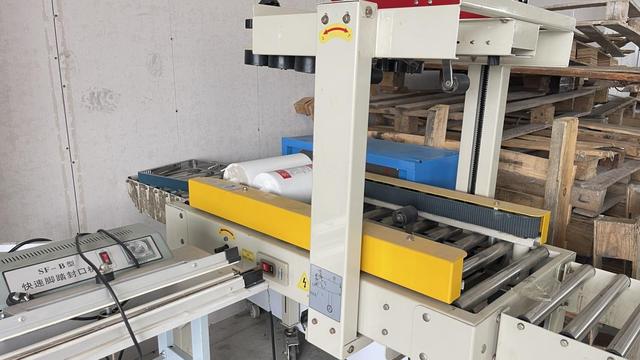
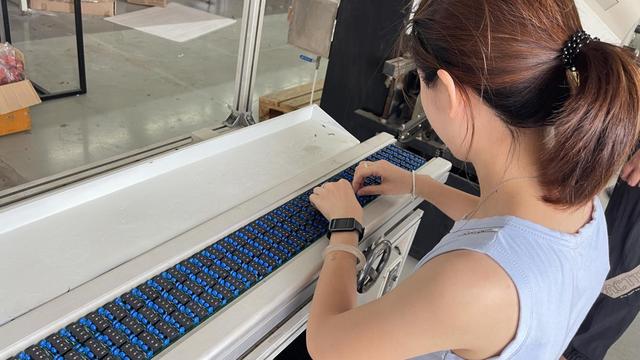
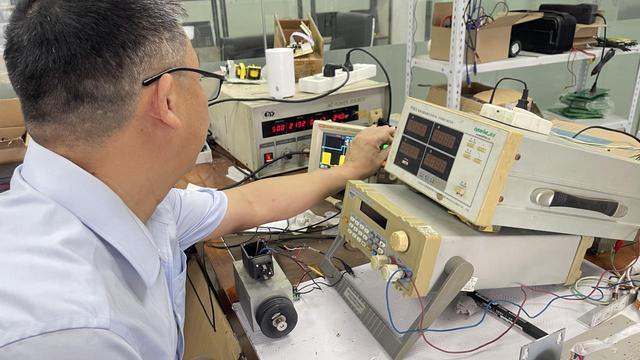
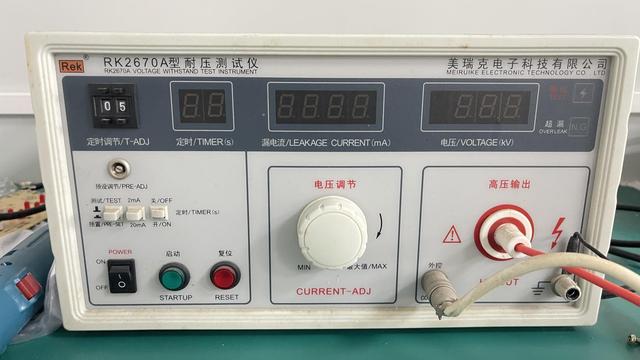
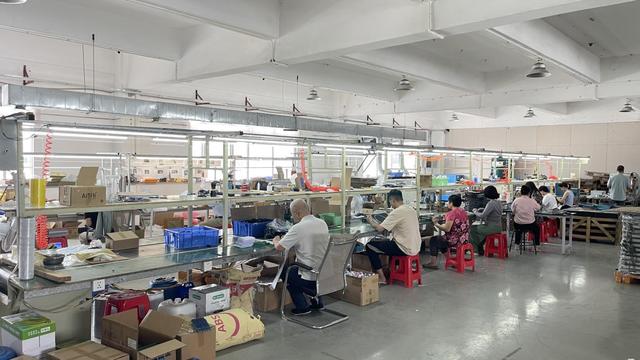
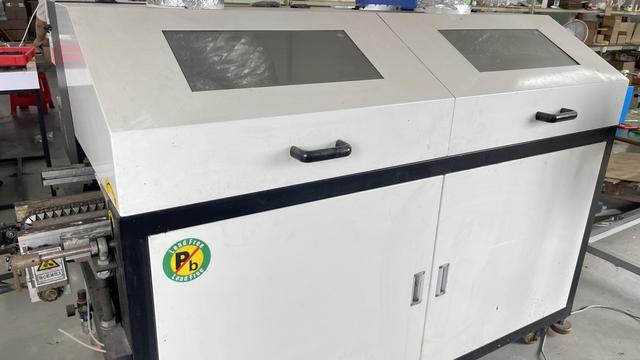
Equipped with advanced production facilities and automated assembly lines, Aris Cooktop maintains strict quality control throughout every stage of manufacturing. From raw material sourcing and component inspection to product testing and final packaging, each induction cooktop undergoes comprehensive performance and safety evaluations to ensure compliance with international quality standards.
To meet the diverse requirements of global markets, we provide flexible OEM and ODM services for international brands, distributors, wholesalers, retailers, and e-commerce businesses. Our experienced R&D team works closely with customers to develop tailor-made products, offering customized designs, functions, user interfaces, packaging, and private label solutions.
Driven by innovation, quality, and customer satisfaction, Foshan Aris Cooktop Co., Ltd. continues to strengthen its presence in global markets. We strive to become a trusted partner for smart kitchen appliances by delivering high-performance induction cooking solutions that create safer, more convenient, and energy-saving cooking experiences for consumers around the world.
For enterprise buyers seeking reliable supply partners, understanding the geographical clustering and specialization of Chinese home appliance manufacturers is crucial. China accounts for approximately 75% of global induction cooktop supply. Below is a detailed matrix benchmark evaluating the top manufacturing hubs and factories that dominate the market:
| Factory Cluster Hub | Key Specialty Area | Target Market Certs | Advantage Value Proposition |
|---|---|---|---|
| Foshan Shunde Cluster (e.g., Aris Cooktop) | Smart, Multi-Burner, Built-In & Custom ODM | CE, CB, UL, GS, RoHS, FCC | Leading R&D, highly integrated smart features, high reliability. |
| Zhongshan Dongfeng Hub | High-Volume, Cost-Competitive Portables | CE, CB, SASO, CCC | Optimized for large-scale retail promotions and fast production cycles. |
| Zhejiang Shengzhou Industrial Zone | Integrated Downdraft Hood-Stove Combinations | CE, SAA, KC | High metal stamping expertise, robust housing systems. |
| Guangdong Zhongshan Commercial Hub | Heavy-Duty Commercial (3KW - 15KW) | CE, ETL, NSF | Excellent thermal performance, designed for commercial kitchen durability. |
| Qingdao Appliance Belt | IoT Connected & Large Smart Eco-systems | UL, FCC, CE | Strong software integration and cross-device communication. |
| Shenzhen Tech Industrial Park | Micro-electronics & Controller PCB Modules | RoHS, UL | OEM supplier for electronic components, microprocessors, and touch panels. |
| Foshan Nanhai Cluster | Invisible & Integrated Ceramic Countertop Stoves | CE, SAA, CB | Pioneering the minimalist look with hidden heating coils. |
| Zhejiang Ningbo Hub | Budget Dual-Burner & Tabletop Units | CE, ERP, GS | Extensive logictics network and proximity to deep-water ports. |
| Jiangsu Suzhou High-Tech Zone | Eco-Friendly Energy-Saving Inverter Hobs | UL, Energy Star, CE | Advanced energy metering controls, focused on reducing peak power. |
| Xiamen Specialized Electronics Zone | High-Frequency Coil & IGBT Assemblies | VDE, UL | Specialized components for advanced induction resonance systems. |
"Sourcing from the Foshan Shunde hub provides a unique advantage in combining advanced supply chain components with rigorous testing protocols. This makes it the leading geographic cluster for brands seeking high-quality OEM/ODM partnerships."
B2B buyers face distinct structural risks when importing induction stoves. Electromagnetic Compatibility (EMC), thermal runaway safety, and mechanical shock resistance of the glass ceramic panels are primary points of compliance. An induction cooker works by generating a high-frequency alternating magnetic field. If the filter circuits and electromagnetic shielding are subpar, the stove will generate harmonic distortion, disrupting home networks and failing FCC or CE EMC standards.
To mitigate these risks, factories like Foshan Aris Cooktop employ a multi-layered Quality Management System (QMS) comprising:
Looking ahead, the development of compact induction stoves is centered on efficiency, sensory integration, and safety. Key technological steps include:
Moving away from single-pipe topologies, modern premium hobs use half-bridge resonance circuits. This enables continuous, flicker-free heating at extremely low power levels, preventing the cycling off-and-on behavior typical of cheap cooktops.
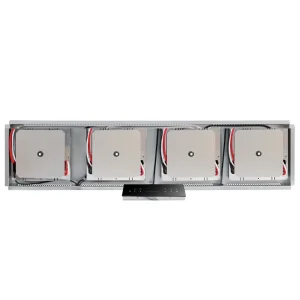
Instead of fixed-size coils, upcoming high-end models utilize matrices of micro-coils that detect the size and position of the cookware automatically, heating only the exact surface area in contact with the pot.
By using Bluetooth-connected food probes and infrared temperature sensors directly beneath the glass, smart cooktops can adjust power levels dynamically, preventing milk boil-overs and ensuring precise sous-vide capabilities.
 Aris Cooktop