Explore our top-rated domestic and commercial electromagnetic induction cooking appliances, precision-engineered for maximum thermal energy conversion, strict international compliance, and seamless user experience.
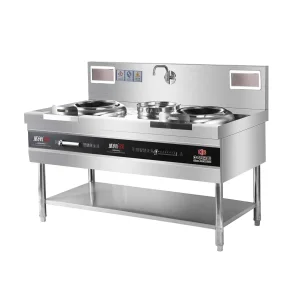
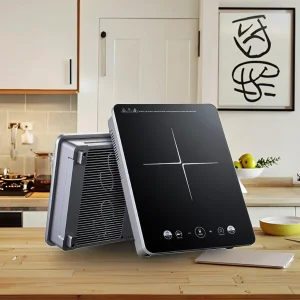
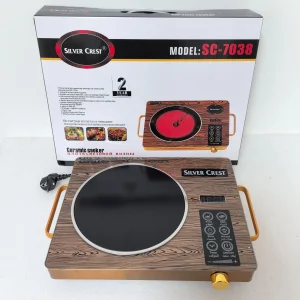
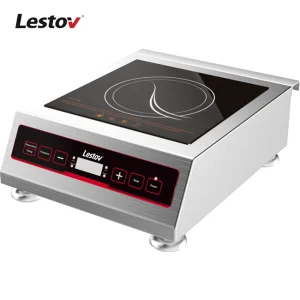
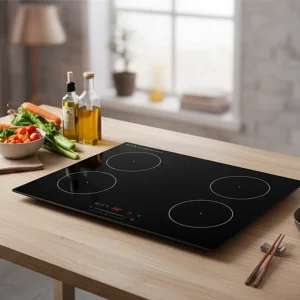
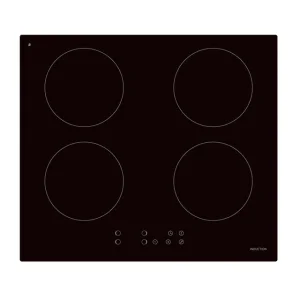
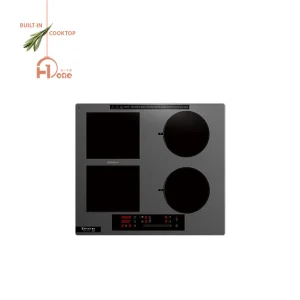
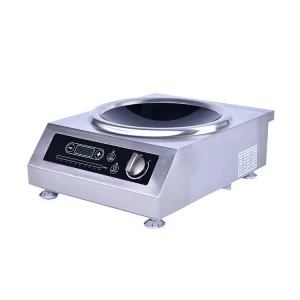
The global domestic induction cooker market is experiencing an unprecedented structural evolution, driven by tight international decarbonization mandates, rising natural gas tariffs, and a rapid transition toward smart home ecosystems. According to recent market analysis, the global market for induction cooktops is projected to expand at a compound annual growth rate (CAGR) exceeding 7.8% over the next five years, transitioning electromagnetic induction from a premium kitchen alternative into the default standard for global residential and commercial cooking spaces.
Global importers, OEM brand owners, and appliance distributors face growing scrutiny regarding supply chain traceability, environmental compliance (RoHS, REACH, ErP Stage II), and technical reliability. Choosing a top-tier manufacturing partner is no longer just about per-unit cost; it requires evaluating complete engineering capabilities, automated quality assurance processes, and component sourcing resilience.
To provide global buyers with rigorous decision-making criteria, our SEO Growth and Engineering Procurement teams have synthesized an evaluation benchmark for identifying elite induction cooker factories. Top-tier manufacturers excel across five core dimensions:
Leading factories utilize premium insulated-gate bipolar transistors (IGBTs) from tier-1 suppliers such as Infineon or Siemens, paired with advanced half-bridge or full-bridge continuous heating topologies to prevent low-power pulsing.
Superior thermal engineering incorporates multi-channel ducting, brushless DC silent fans, and customized aluminum heat sinks, maintaining internal microchip temperatures under 75°C to ensure 10,000+ operating hours.
Use of high-grade microcrystal or ceramic glass panels capable of withstanding thermal shocks up to 700°C and mechanical impact resistance certified under IEC 60335-2-6 standard compliance.
Integration of dynamic high-precision NTC thermistors, auto-pan detection, over-voltage/under-voltage regulation, and IoT modules (Wi-Fi/Bluetooth Tuya platform compatibility).
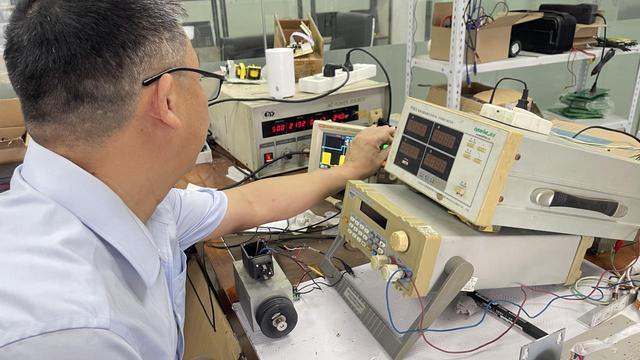
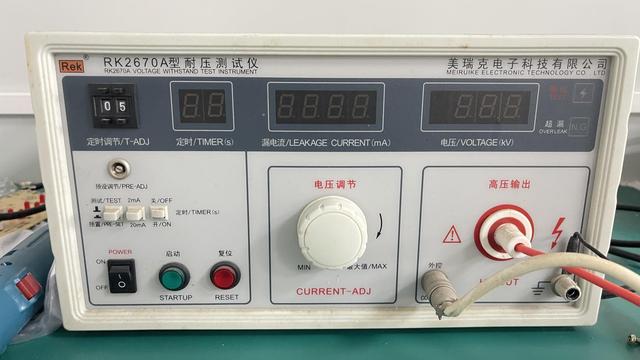
High SMT surface-mount technology line coverage, high-pot insulation breakdown testing, EMC compliance verification, and 100% aging tests on production lots before shipping.
Robust international homologation portfolio including CE, CB, UL, ETL, RoHS, KC, PSE, and SASO to enable rapid regulatory market entry for global OEM partners.
Foshan, located in the heart of Guangdong Province, stands as the global epicenter for kitchen appliance manufacturing. Generating over 40% of the world's domestic electromagnetic induction cooktops, the Foshan manufacturing cluster offers unparalleled supply chain density and cost-efficiency advantages.
Within a 30-minute logistics radius in Foshan, induction cooker factories have direct access to high-frequency pure copper coil winders, microcrystal glass cutting facilities, plastic injection molders, and specialized PCB surface-mount (SMT) service providers. This radical clustering reduces component lead times by up to 65% compared to isolated international manufacturing hubs.
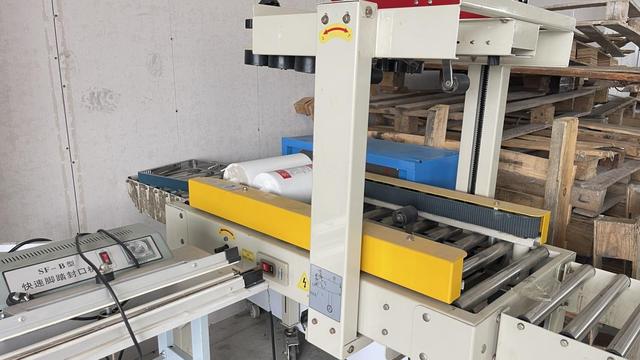
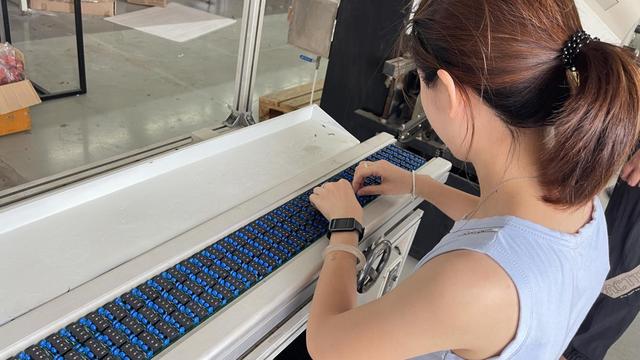
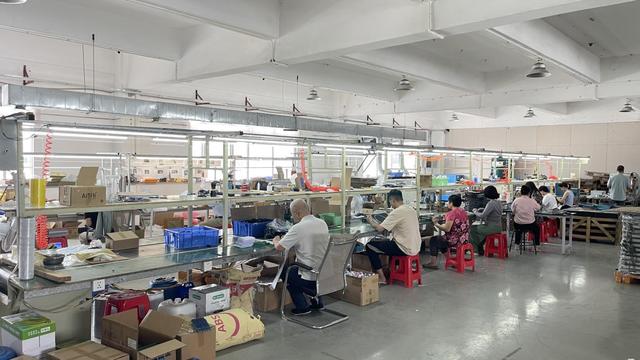
Leading Foshan facilities have executed comprehensive Industry 4.0 modernizations. Robotic arms handle heavy coil placement, laser-guided visual inspection systems audit glass panel alignment, and automated optical inspection (AOI) inspects every solder joint on high-power inverter boards.
Positioned adjacent to major deep-water shipping terminals (Nansha, Shenzhen, and Hong Kong ports), export logistics from Foshan feature optimized container packing strategies, expedited customs declarations, and direct vessel access, guaranteeing secure, predictable global shipping timelines.
Electromagnetic induction operates on Faraday’s Law of Electromagnetic Induction. High-frequency alternating electric current (typically 20kHz to 40kHz) passes through a copper inductor coil underneath the cooking surface, creating a dynamic magnetic field. When a ferromagnetic vessel (such as cast iron or magnetic stainless steel) is placed on the zone, eddy currents are induced in the vessel bottom, generating heat directly inside the cookware.
While budget-oriented induction cookers utilize single-tube (single-IGBT) topologies that rely on pulsing on/off cycles at lower heat settings, modern commercial and premium residential cooktops adopt Half-Bridge Inverter Topologies. Half-bridge configurations utilize twin IGBT switches that enable continuous, steady heating even at ultra-low power levels (e.g., 200W-300W simmering), eliminating thermal spikes and burnt food.
The quality of the induction coil directly impacts heat distribution and device lifespan. World-class factories utilize multi-strand Litz wire coils (comprising 20 to 40 individual insulated copper strands). Litz wire minimizes skin effect resistance at high frequencies, optimizing current density, reducing unwanted coil heating, and improving overall thermal transfer efficiency.
Global sourcing requirements differ substantially across geographic markets. Leading exporters configure hardware specifications, firmware routines, and housing designs to target localized culinary habits and power grids:
Focus on sleek, flush built-in 60cm/90cm multi-zone hobs with slider touch controls, strict CE/ErP compliance (<0.5W standby), auto-bridge flex zones, and matte black glass finishes.
Demand for 120V portable countertop units (RV & outdoor living) alongside 240V high-power 30-inch built-in ranges certified under UL and ETL safety standards with heavy-duty thermal insulation.
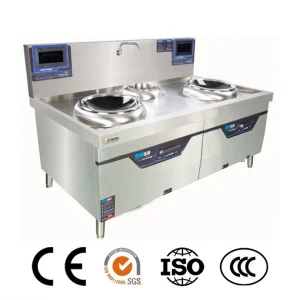
High demand for concave (curved) induction wok cookers (3500W-5000W+) engineered for high-heat stir frying, robust waterproof housing, and durable mechanical knob controls.
Growing adoption of hybrid double-burner cooktops (combining induction and infrared ceramic burners) capable of handling non-magnetic cookware while offering high energy savings.
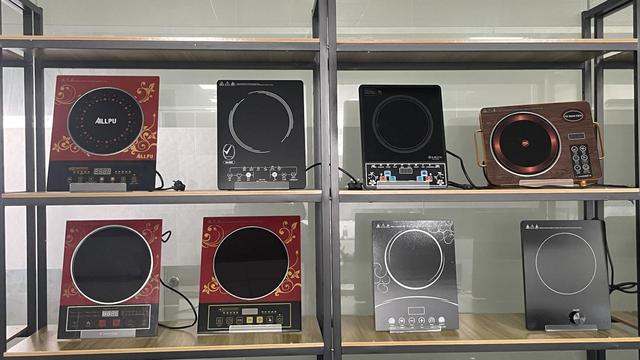
Examine our advanced heavy-duty commercial stoves, high-power woks, and multi-zone smart induction cooktops engineered for intensive restaurant kitchen and high-efficiency home environments.
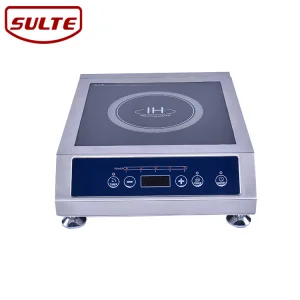
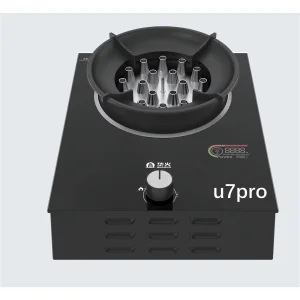
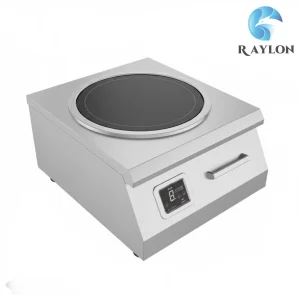
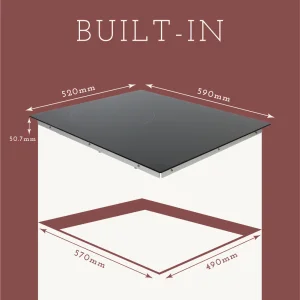
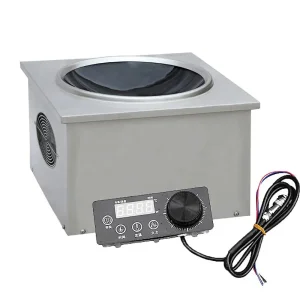
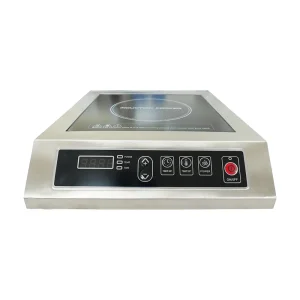
Key parameters include the IGBT brand (e.g., Siemens or Infineon), quality of the microcrystal ceramic plate (thermal expansion coefficient close to zero), coil density (100% pure copper Litz wire vs. copper-clad aluminum), noise levels (<45 dB), standby energy loss (<0.5W), and compliance with international EMC standards (electromagnetic compatibility).
Single-tube cookers cycle power on and off at low settings (e.g., 500W), causing uneven heating. Half-bridge topology utilizes dual IGBT transistors that supply continuous low-frequency output down to 200W without pulsing, ensuring precise temperature regulation ideal for delicate cooking like simmering sauce or melting chocolate.
Foshan Aris Cooktop provides end-to-end customization, including customized PCB firmware, UI touch button screen printing, customized power wattage levels, customized glass dimensions/colors, private label logo engraving, custom user manuals, and protective export packaging suitable for retail or drop-shipping.
For European Union distribution, products require CE, RoHS, REACH, and ErP certification. For North American export, products require ETL or UL certification for electrical safety and FCC certification for electromagnetic compliance.
Induction cooktops incorporate multiple auto-protect sensors: high-precision NTC sensors directly under the ceramic plate monitor pan temperature to prevent dry burning; internal heat sink sensors prevent IGBT overheating; automated pan detection shuts off power within 30 seconds if non-magnetic cookware or no cookware is detected; and automatic high/low voltage surge protection prevents internal circuit burnout.
 Aris Cooktop