Direct supply options featuring advanced electromagnetic coils, high-frequency resonance control, and integrated thermal isolation barriers.
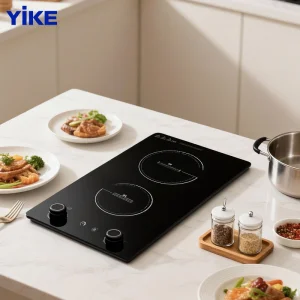
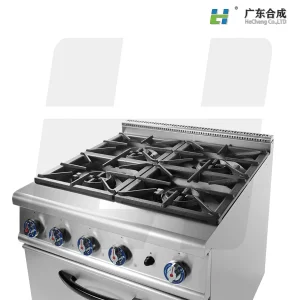
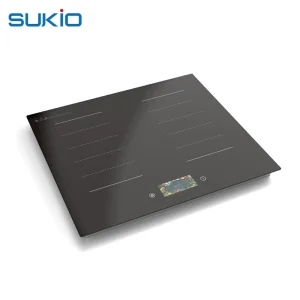
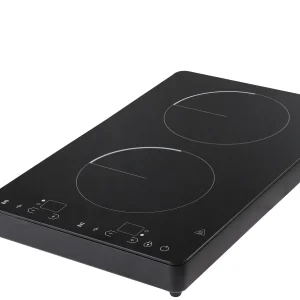
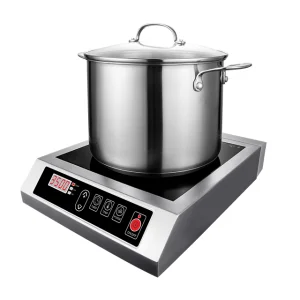
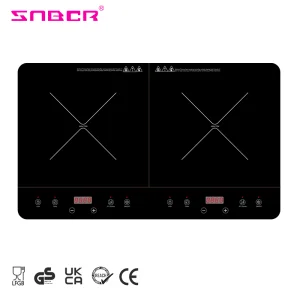
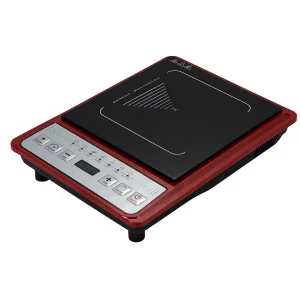
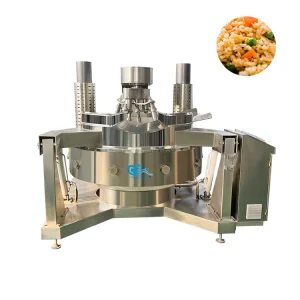
In the wake of global efforts to mitigate greenhouse gas emissions, commercial kitchen spaces and residential properties are experiencing an unprecedented transition toward full electrification. Traditional open-flame gas systems suffer from structural heat dissipation limits, achieving thermodynamic efficiencies of only 35% to 40%. Conversely, modern energy-efficient induction ranges achieve efficiencies surpassing 90% to 92% by utilizing magnetic fields to excite iron molecules directly in the cookware itself. This eliminates ambient thermal losses and radically simplifies compliance with building decarbonization standards such as Title 24 in California and the European Energy Performance of Buildings Directive (EPBD).
For B2B procurement managers, sourcing high-efficiency induction ranges involves evaluating complex electrical topologies, duty-cycle stability at low-wattage operation, and supply chain resilience. This document outlines the technology roadmap, manufacturing standards, and top-tier global exporters driving the induction revolution.
Direct electromagnetic heat generation reduces thermal dissipation waste and guarantees substantial carbon offsets for green buildings.
Advanced digital pulse-width modulation (PWM) handles delicate simmer controls down to 100W without cyclical thermal drop-offs.
Safety parameters include dry-boil protections, pan-detection sensors, over-voltage stabilizers, and automatic shutoff switches.
The core mechanism of induction heating relies on the high-frequency resonant inverter. The industry is currently transitioning from standard Silicon insulated-gate bipolar transistors (IGBTs) to wide-bandgap (WBG) semiconductors, specifically Gallium Nitride (GaN) and Silicon Carbide (SiC).
These advanced materials permit switching frequencies to scale past 100 kHz (compared to 20-35 kHz for typical silicon units). This rise in frequency reduces the footprint of internal induction coils, reduces operating noise below human audibility thresholds, and limits energy losses during switching. Furthermore, the incorporation of Multi-Coil Matrix topologies enables free-zone cooking, detecting the footprint and location of cookware dynamically to activate only the relevant induction cells.
| Parameters / Metrics | Standard Silicon IGBT | Next-Gen GaN / SiC Inverter | Impact on Global Importers |
|---|---|---|---|
| Switching Frequency | 20 kHz - 35 kHz | 80 kHz - 150 kHz | Zero-hum operation, more precise duty control. |
| Inverter Loss Reduction | Baseline | Up to 45% Loss Reduction | High energy ratings (A+++ / Energy Star compliant). |
| Magnetic Field Density | Standard | High Density (Targeted Focus) | Allows thicker pans and diverse alloy materials. |
| Physical Weight / Size | 100% (Standard footprint) | Reduced by 35% - 40% | Lower shipping costs and thinner profiles. |
In addition to hardware breakthroughs, IoT integration has transitioned from a premium gimmick to a core regulatory requirement for smart grids. Future-ready appliances interface directly with Home Energy Management Systems (HEMS) and building automation software, using Modbus or Wi-Fi to limit power during peak-rate demand responses.
How the cluster dynamics of Foshan, Guangdong support competitive advantages in cost, lead times, and specialized design adaptations.
Foshan, Guangdong serves as the world's primary manufacturing cluster for electromagnetic heating appliances. The local supply chain consolidates high-grade copper coil winders, specialized Schott Ceran glass processors, and certified microcontroller manufacturing facilities within a 50-kilometer radius. This geographic proximity compresses prototyping cycles and buffers the supply chain against global shipping shocks.
Foshan Aris Cooktop Co., Ltd. leverages this ecosystem to deploy Industry 4.0 production standards. By introducing Automated Optical Inspection (AOI) for circuit board assemblies, robotic coil positioning, and automated thermal-cycling test chambers, the company matches the strict defect tolerances required by premium European and North American buyers. Sourcing from such clusters ensures that ODM/OEM design changes are prototyped, safety-certified, and scaled up to 30% faster than competing regions.
Foshan Aris Cooktop Co., Ltd. is a professional China induction cooktop manufacturer and smart induction stove supplier, specializing in the research, development, manufacturing, and global distribution of advanced kitchen cooking appliances. Based in Foshan, Guangdong, a renowned center for home appliance manufacturing, the company is committed to delivering innovative, energy-efficient, and reliable cooking solutions for customers worldwide.
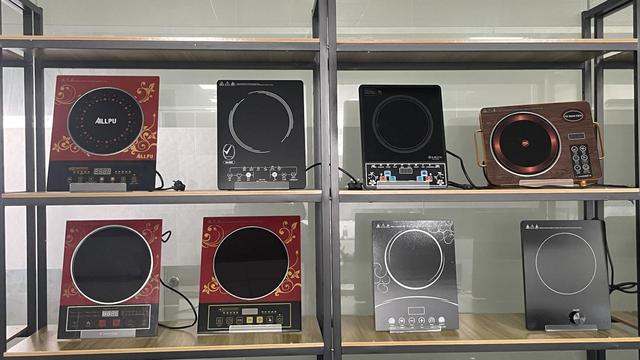
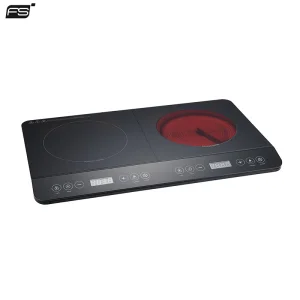
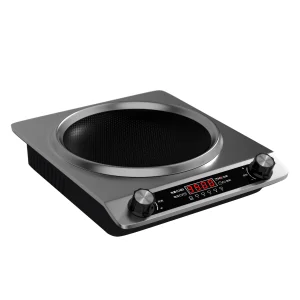
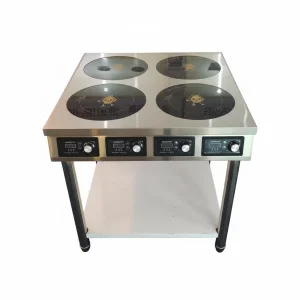
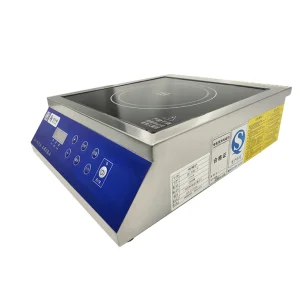
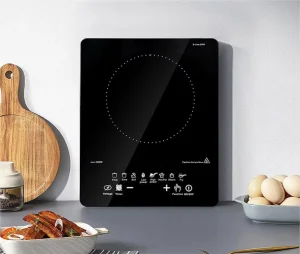
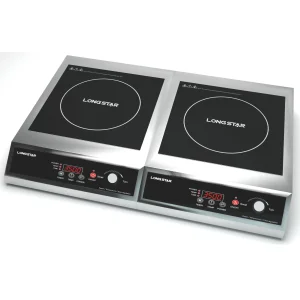
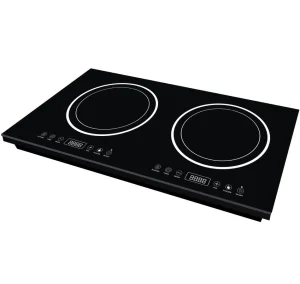
Aris Cooktop offers a comprehensive range of products, including built-in induction cooktops, portable induction cookers, commercial induction stoves, double burner induction cooktops, smart induction hobs, and customized kitchen appliance solutions. Combining modern design with intelligent technology, our products are engineered to provide fast heating, precise temperature control, enhanced safety, and superior energy efficiency for both residential and commercial applications.
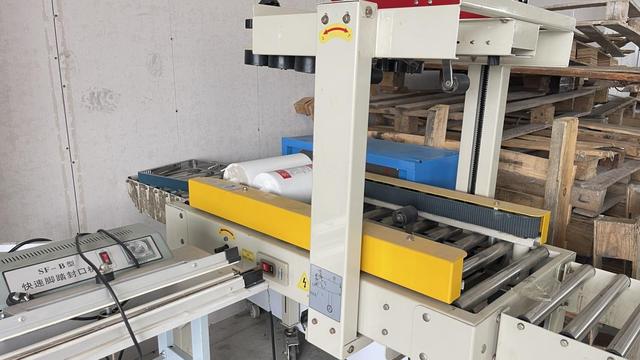
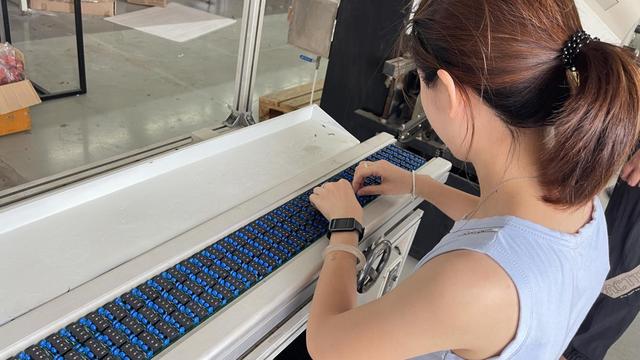
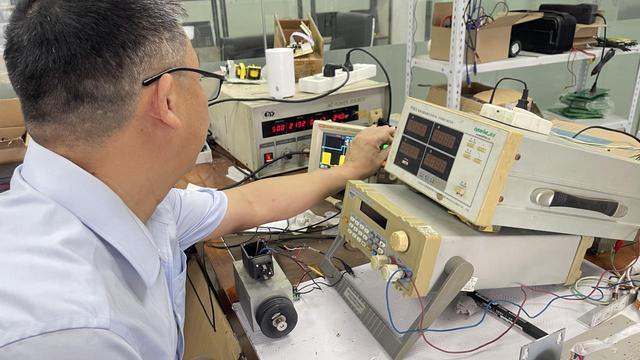
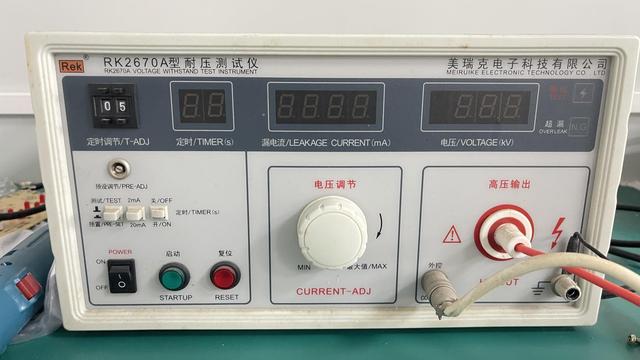
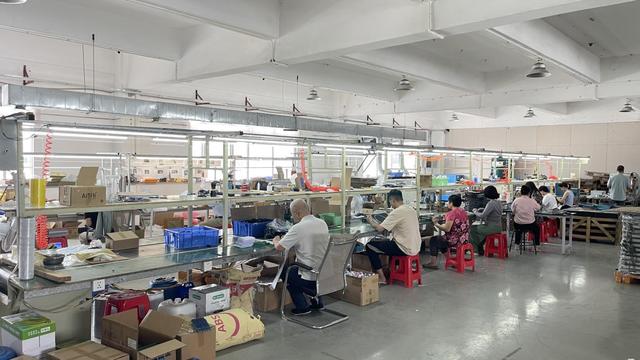
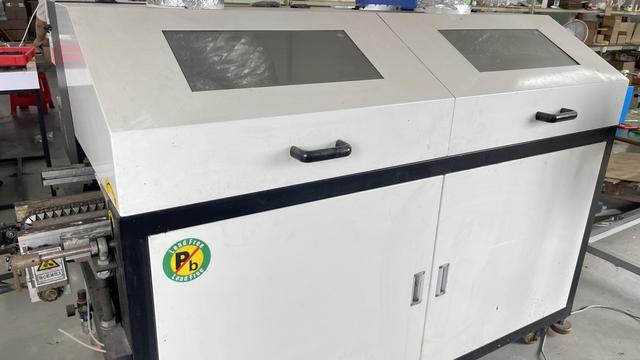
Equipped with advanced production facilities and automated assembly lines, Aris Cooktop maintains strict quality control throughout every stage of manufacturing. From raw material sourcing and component inspection to product testing and final packaging, each induction cooktop undergoes comprehensive performance and safety evaluations to ensure compliance with international quality standards.
To meet the diverse requirements of global markets, we provide flexible OEM and ODM services for international brands, distributors, wholesalers, retailers, and e-commerce businesses. Our experienced R&D team works closely with customers to develop tailor-made products, offering customized designs, functions, user interfaces, packaging, and private label solutions.
Driven by innovation, quality, and customer satisfaction, Foshan Aris Cooktop Co., Ltd. continues to strengthen its presence in global markets. We strive to become a trusted partner for smart kitchen appliances by delivering high-performance induction cooking solutions that create safer, more convenient, and energy-saving cooking experiences for consumers around the world.
B2B importers evaluating suppliers must move beyond unit price and analyze operational lifecycle cost metrics. The following critical vectors define top-tier exporters:
Electromagnetic appliances generate electrical noise. Manufacturers targeting Europe or the Americas must build in active power factor correction (PFC) circuitry, maintaining a power factor (PF) higher than 0.95 and keeping THD under 5% to comply with EN 61000-3-2 standards.
Exporters must offer top-grade ceramic glasses (such as EuroKera, NEG, or Schott Ceran) capable of resisting thermal shocks up to 700°C without crack propagation, alongside load-bearing integrity suitable for heavy commercial cookware.
Top ranges utilize advanced firmware algorithms that measure coil feedback to distinguish between ferromagnetic cookware, small kitchen utensils (knives/forks), and non-magnetic materials like aluminum or copper. This stops accidental activation, protecting operators and minimizing auxiliary electrical consumption.
Launching cooking appliances across multiple markets demands localized technical compliance. A single product architecture must support multiple electrical grids and safety standard variations:
Requires compliance with UL 197 (commercial) or UL 858 (household) standards. FCC Part 18 compliance is mandatory to control electromagnetic radiation interference in residential zones.
Focuses on electrical safety under LVD 2014/35/EU and EMC compliance under 2014/30/EU. Eco-design (ErP) regulations dictate standby energy usage metrics below 0.5W.
Targeted adaptations for the Australian RCM markings, Japan's PSE Circle/Diamond guidelines, and Korea's KC verification protocols, accounting for distinct regional grid frequencies.
A calculated overview of top manufacturers selected for technical sophistication, energy efficiency benchmarks, and supply chain strength.
Primary Strengths: Strong ODM/OEM integration, optimized Foshan-based supply chain, advanced micro-sensor integration, and custom touch UI designs. Highly competitive scaling capability for international brands, wholesalers, and e-commerce stores.
Primary Strengths: Industrial-grade components, heavy-duty commercial kitchen configurations, and patented pan detection arrays. Exceptional compliance profiles for US institutions.
Primary Strengths: Smart home ecosystem integration (Home Connect), multi-ring cooking areas, and ultra-high efficiency residential models. High focus on European A+++ standards.
Primary Strengths: Massive production capacity, competitive entry-level models, and reliable global distribution partnerships.
Primary Strengths: Metashield copper coil systems, advanced heat dissipation configurations, and strong domestic Japanese standard compliance.
Primary Strengths: Heavy-duty culinary suites, eco-designed modular systems, and comprehensive global service networks.
Primary Strengths: Commercial holding systems, flush-mount configurations, and long mean-time-between-failures (MTBF).
Primary Strengths: Distinctive visual aesthetics, high-end residential profiles, and energy-conscious European manufacturing.
Primary Strengths: High-output commercial induction cookers and robust design elements tailored for heavy-use restaurant kitchens.
Primary Strengths: Energy-efficient portable double-burner cooktops and accessible drop-in counter solutions for RVs and compact spaces.
Answering crucial technical questions asked by commercial buyers, importers, and OEM project leads.
The primary point of failure is thermal overload of the IGBT inverter module, caused by poor internal ventilation or blocked intake filters. Premium exporters prevent this by using high-velocity cooling fans with independent ducting, combined with real-time temperature tracking via NTC thermistors placed directly under the cooktop glass and on the heat sink assembly.
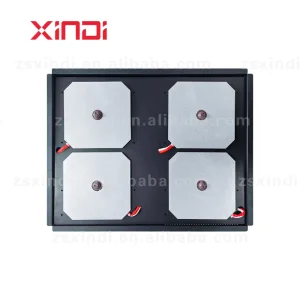
Coils made of high-purity Litz wire (comprising multiple individually insulated strands) minimize skin effect and proximity loss at high frequencies. A larger coil diameter with double-layer winding ensures a more uniform magnetic field distribution. This improves efficiency and allows the range to work with cookware that has slightly irregular magnetic bottoms.
Standard OEM orders from established manufacturers like Foshan Aris Cooktop average 30 to 45 days for initial production runs. For custom ODM orders requiring unique chassis geometry, glass layouts, or custom user interfaces, tooling and plastic injection mold design cycles take approximately 60 to 90 days. Tooling costs are often amortized or waived if annual volumes meet minimum order threshold requirements.
While the initial cost of an induction system is higher, operational costs are 30% to 50% lower than gas due to high thermal efficiency. Maintenance is also simplified: there are no open flames or gas lines to inspect, and the smooth ceramic glass surface is easier to clean, reducing labor costs and wear and tear in commercial kitchens.
Engineered for high-volume commercial venues and smart residential kitchens demanding quick boiling, precise controls, and heavy-duty reliability.
 Aris Cooktop