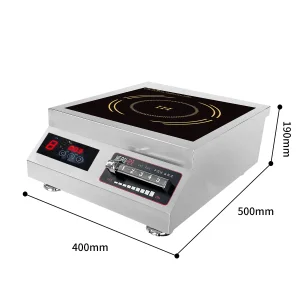
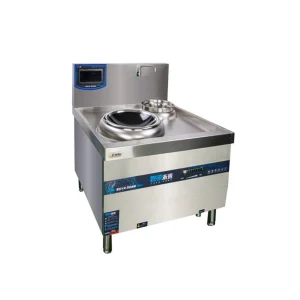
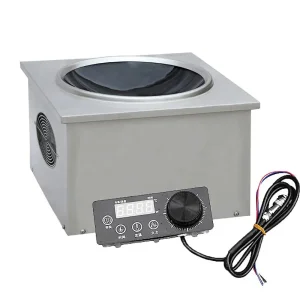
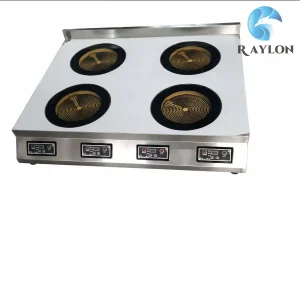
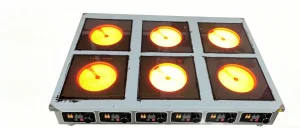
Engineered for commercial kitchens and high-performance residential spaces, presenting our flagship induction range and hobs.
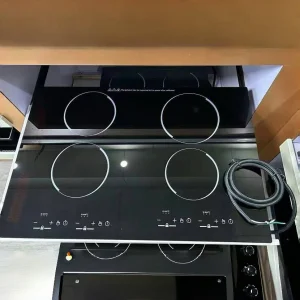
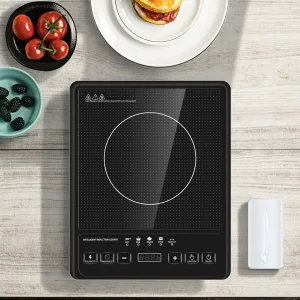
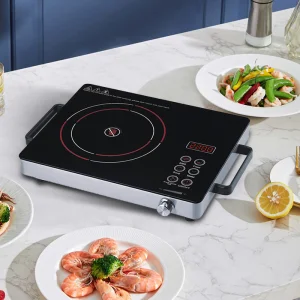
The global commercial and residential culinary industries are experiencing an unprecedented transition. Driven by strict energy regulations, decarbonization mandates, and an intense focus on kitchen safety, the shift from traditional gas ranges to advanced electromagnetic heating systems has accelerated. A professional induction range is no longer just a premium luxury; it is a critical asset for businesses seeking operational efficiency, lower insurance premiums, and carbon-offset compliance.
This industry report explores the leading global manufacturers, details critical technology architectures, and provides sourcing directors with the objective analysis required to build resilient, high-performance cooking appliance supply chains. By analyzing manufacturing processes, technology roadmaps, and global safety standards, this document serves as a guide for engineering and procurement departments worldwide.
Innovative engineering pathways that are changing the way professional kitchens operate globally.
Modern commercial ranges are shifting to high-power, multi-phase resonant inverter circuits. Full-bridge topologies offer continuous power at lower duty cycles, preventing the clicking sounds common in entry-level ranges.
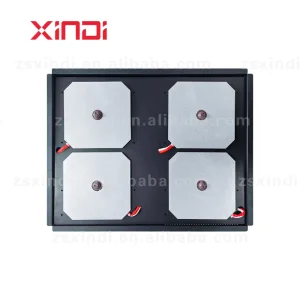
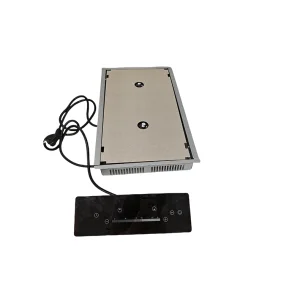
The minimalist kitchen revolution has introduced under-counter invisible induction systems. These systems heat cookware through solid ceramic, quartz, or natural stone slabs, optimizing counter space and cleaning efficiency.
Operating gas ranges converts only 40% of energy to thermal cooking heat. High-frequency electromagnetic induction transfers up to 90% of energy directly to the pan, reducing HVAC cooling loads and utility bills.
Thermal Heating Efficiency
Reduction in Carbon Emissions
Heavy Commercial Power Output
OEM/ODM Customization Capabilities
Procuring commercial induction systems at a global scale requires rigorous evaluation frameworks. Procurement officers must look beyond purchase price to analyze the total cost of ownership (TCO) and operational lifespan. Key evaluation criteria include:
Foshan Aris Cooktop Co., Ltd. is a professional China induction cooktop manufacturer and smart induction stove supplier, specializing in the research, development, manufacturing, and global distribution of advanced kitchen cooking appliances. Based in Foshan, Guangdong, a renowned center for home appliance manufacturing, the company delivers innovative, energy-efficient, and reliable cooking solutions for customers worldwide.
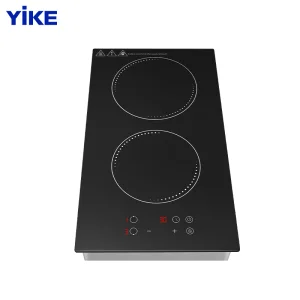
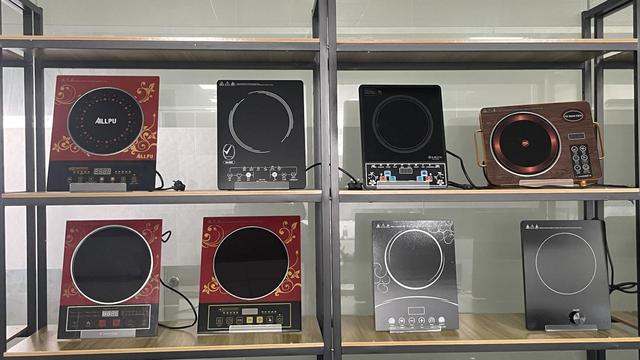
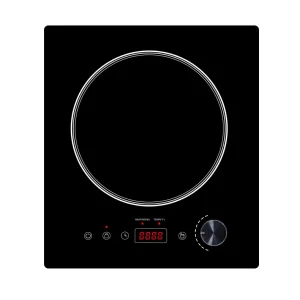
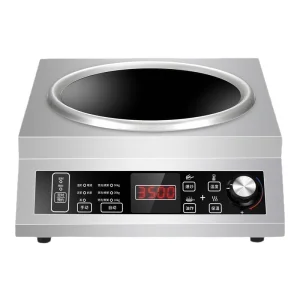
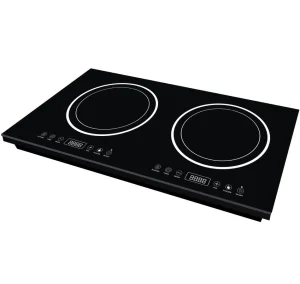
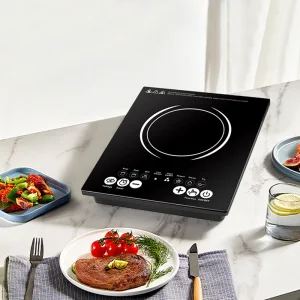
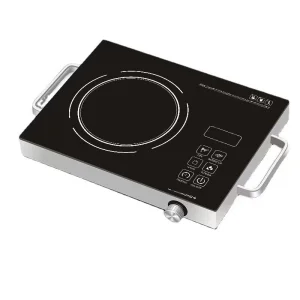
Aris Cooktop offers a comprehensive product lineup, including built-in induction cooktops, portable induction cookers, commercial induction stoves, double burner induction cooktops, smart induction hobs, and customized kitchen appliance solutions. Combining modern design with intelligent technology, their products are engineered to provide fast heating, precise temperature control, enhanced safety, and superior energy efficiency for both residential and commercial applications.
To meet the diverse requirements of global markets, Aris Cooktop provides flexible OEM and ODM services for international brands, distributors, wholesalers, retailers, and e-commerce businesses. Their experienced R&D team works closely with customers to develop tailor-made products, offering customized designs, functions, user interfaces, packaging, and private label solutions.
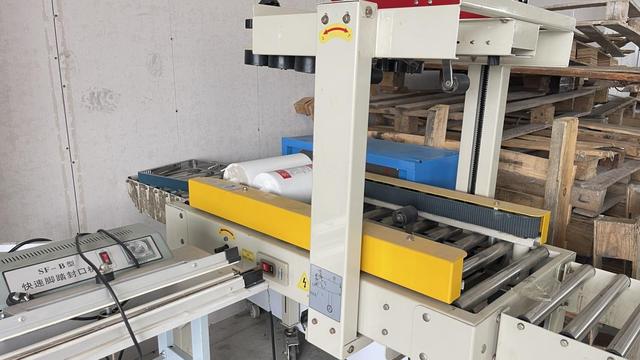
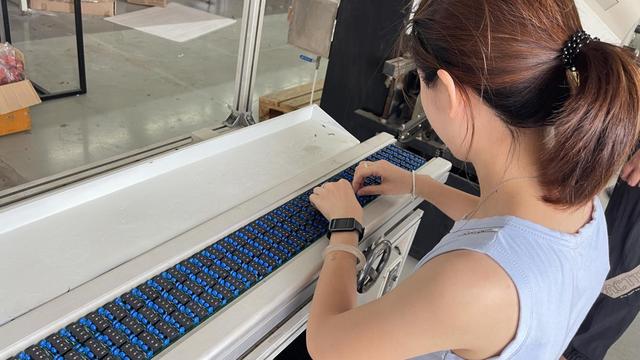
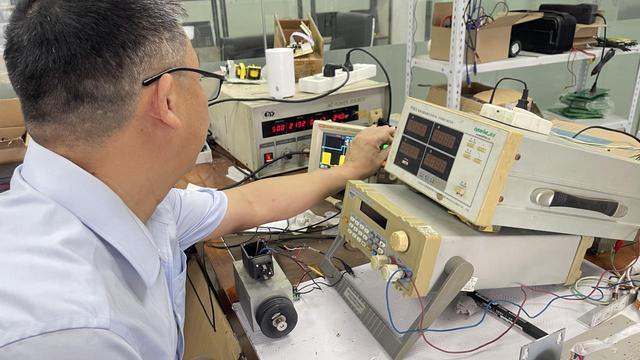
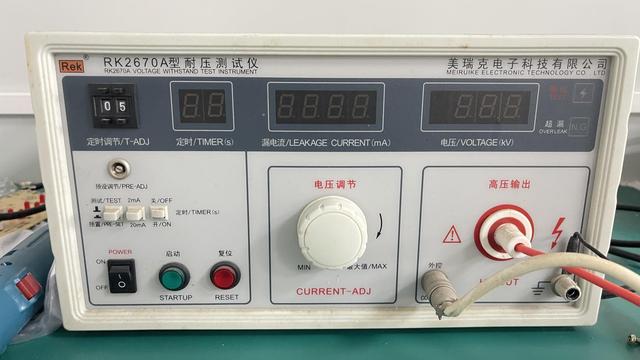
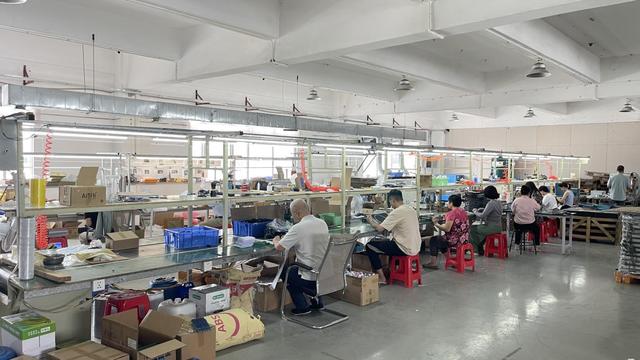
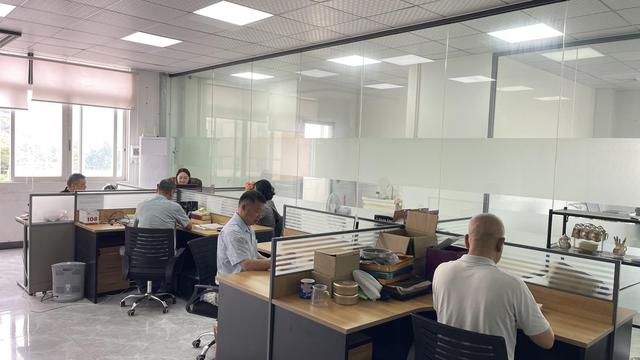
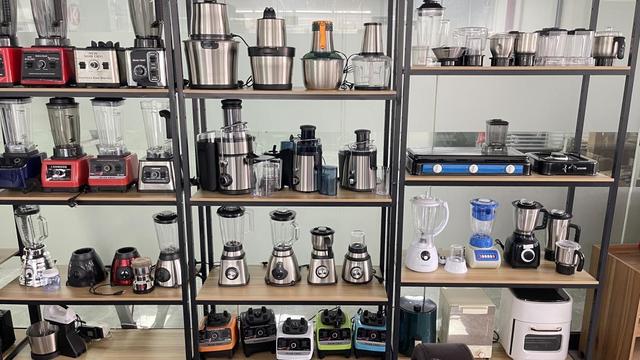
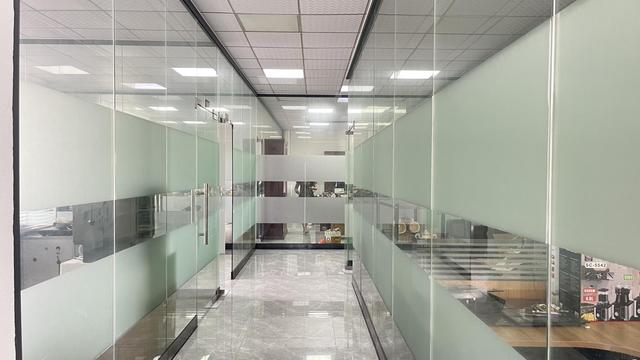
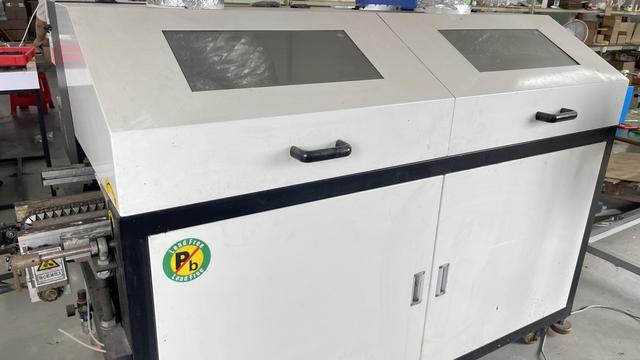
The production facility in Foshan features advanced machinery designed to meet international standards. Below is an overview of the manufacturing facilities, testing laboratories, and assembly operations that ensure the durability of each unit:
Identifying the right manufacturing partner depends on target market positioning, cost targets, and product specifications. Here is an overview of the global production hubs and manufacturer categories:
Looking ahead, several key technologies will define the next generation of professional induction ranges:
1. Wide Bandgap Semiconductors (GaN & SiC): The integration of Gallium Nitride (GaN) and Silicon Carbide (SiC) in the power electronics stage allows for higher switching frequencies, smaller cooling sinks, and overall efficiencies exceeding 95%.
2. Multizone Dynamic Cooking: Sensor arrays beneath the glass detect pan shape, size, and location, dynamically concentrating the electromagnetic field only under the active cookware area.
3. Advanced Haptic and Smart Interfaces: High-resolution TFT touchscreens with contextual menus, smart temperature probes linked via Bluetooth/Zigbee, and remote telemetry connections via IoT protocols for preventive maintenance notifications.
Exporting induction ranges to international markets requires compliance with regional safety, emission, and environmental standards. Sourcing teams must verify the following certifications before finalizing contracts:
Technical and procurement answers to streamline your sourcing decisions.
Half-bridge systems use two IGBTs to generate the high-frequency oscillating current, which is cost-effective and suitable for residential ranges. Full-bridge topologies use four IGBTs, allowing continuous, high-power delivery at low temperature setpoints without clicking or pulsed heating. This makes them ideal for demanding commercial environments.
Under-counter or invisible induction cooktops require engineered ceramic, quartz, or natural stone slabs that are calibrated to transfer electromagnetic waves without heat accumulation in the stone. Thermal isolation spacers, induction pads, and dedicated chassis cooling fans are used to keep the system cool and prevent surface cracking.
Standard custom OEM/ODM projects typically require 35 to 45 days from engineering sign-off to first production run. Minimum Order Quantities (MOQs) vary by product class: single-zone portable units have an MOQ of 500-1000 units, while heavy commercial multi-head setups start at 50-100 units depending on customization requirements.
We offer a range of glass choices based on performance and budget: premium configurations use imported Schott Ceran® or EuroKera® glass for thermal performance, while our standard configurations feature highly resilient China-manufactured crystallization glass panel options that meet international safety standards.
Discover more high-power commercial induction ranges and custom hobs for modern kitchens.
 Aris Cooktop