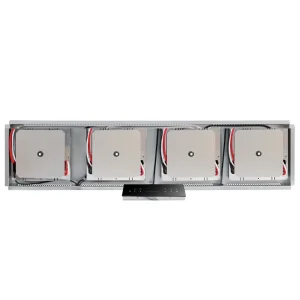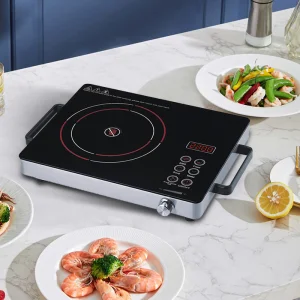
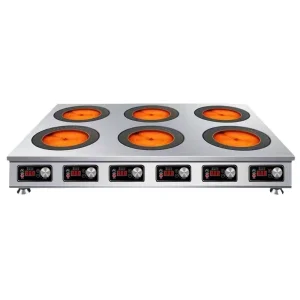
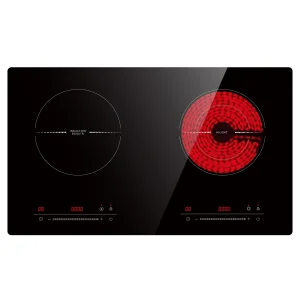
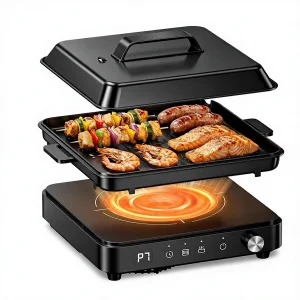
The global commercial and residential kitchen industry is undergoing a structural transition. Driven by stringent carbon neutrality targets, rising natural gas costs, and micro-level safety regulations, electric induction technology has transitioned from a premium consumer option to a mandatory infrastructural asset. Global markets, particularly the European Union (under the ErP directive) and North America (subject to evolving gas ban mandates in municipal building codes), are rapidly modernizing food service spaces and household configurations.
In this paradigm, a "Smart Induction Cooktop" is no longer defined merely by an electromagnetic copper coil beneath a ceramic glass surface. Modern industrial and residential models integrate complex IoT chipsets, multi-zone dynamic power allocation (continuous low-power cooking without duty-cycling oscillations), and advanced real-time temperature sensing systems. This whitepaper analyzes the manufacturing ecosystem, structural technology maps, and sourcing methodologies defining the top tier of China’s induction export industry.
Foshan Aris Cooktop Co., Ltd. is a professional China induction cooktop manufacturer and smart induction stove supplier, specializing in the research, development, manufacturing, and global distribution of advanced kitchen cooking appliances. Based in Foshan, Guangdong, a renowned center for home appliance manufacturing, the company is committed to delivering innovative, energy-efficient, and reliable cooking solutions for customers worldwide.
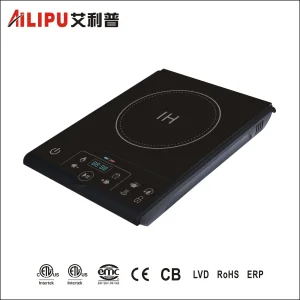
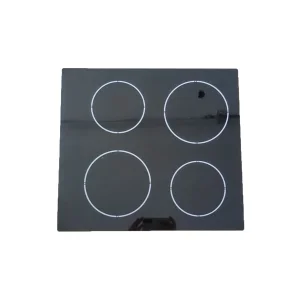
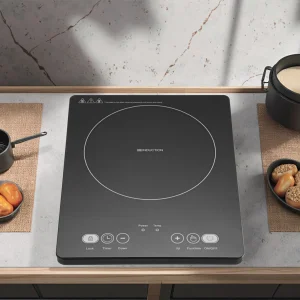
Aris Cooktop offers a comprehensive range of products, including built-in induction cooktops, portable induction cookers, commercial induction stoves, double burner induction cooktops, smart induction hobs, and customized kitchen appliance solutions. Combining modern design with intelligent technology, our products are engineered to provide fast heating, precise temperature control, enhanced safety, and superior energy efficiency for both residential and commercial applications.
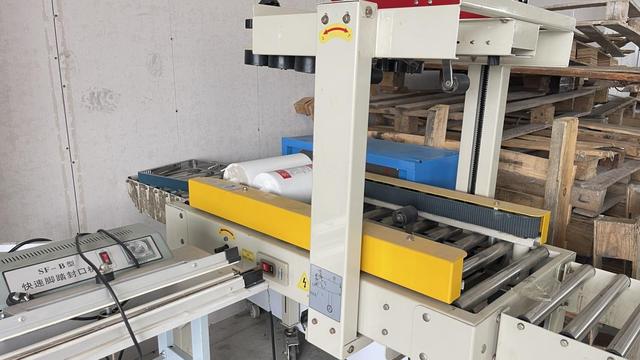
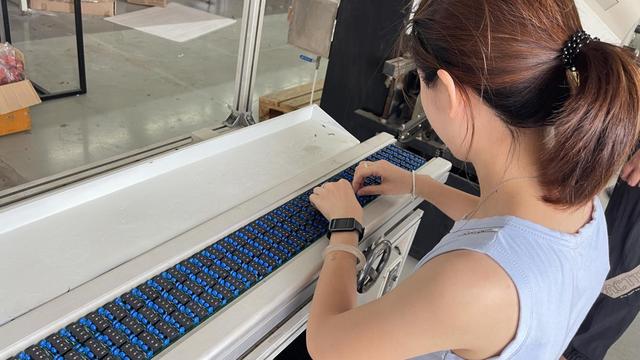
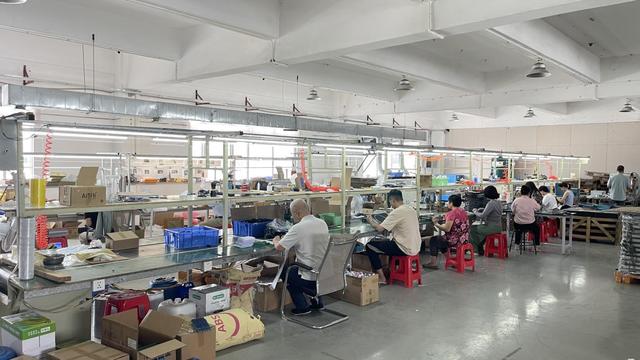
"Equipped with advanced production facilities and automated assembly lines, Aris Cooktop maintains strict quality control throughout every stage of manufacturing. From raw material sourcing and component inspection to product testing and final packaging, each induction cooktop undergoes comprehensive performance and safety evaluations to ensure compliance with international quality standards."
Driven by innovation, quality, and customer satisfaction, Foshan Aris Cooktop Co., Ltd. continues to strengthen its presence in global markets. We strive to become a trusted partner for smart kitchen appliances by delivering high-performance induction cooking solutions that create safer, more convenient, and energy-saving cooking experiences for consumers around the world.
To meet the diverse requirements of global markets, Aris Cooktop provides flexible OEM and ODM services for international brands, distributors, wholesalers, retailers, and e-commerce businesses. Our experienced R&D team works closely with customers to develop tailor-made products, offering customized designs, functions, user interfaces, packaging, and private label solutions.
The concentration of smart induction manufacturing in the Pearl River Delta, specifically within the Shunde and Foshan clusters, offers structural competitive advantages that cannot be replicated by fragmented localized manufacturing hubs. The industrial ecology allows for immediate vertical integration of key processes, including copper winding fabrication, metal stamping, PCB assembly, and ceramic glass polishing within a 50-kilometer supply chain radius.
State-of-the-art Surface Mount Technology (SMT) lines process PCB designs, ensuring zero-defect soldering of microcontrollers, high-power IGBTs, and capacitor banks to mitigate thermal failure risks.
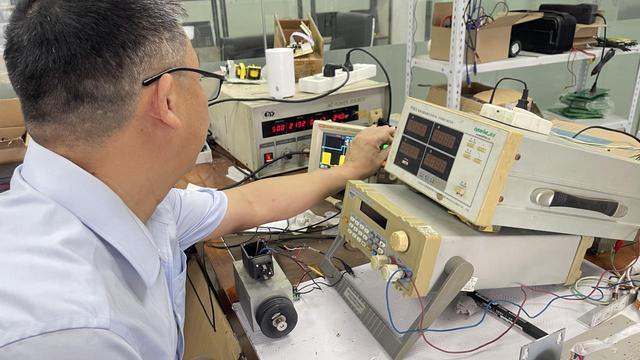
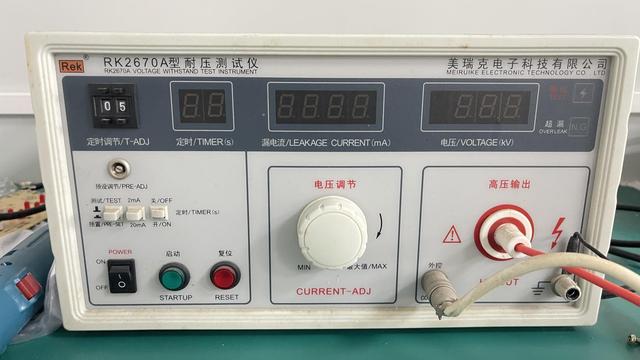
Every single unit undergoes leakage current testing, insulation testing (up to 3750V), electromagnetic compatibility (EMC) screening, and real-time power stability testing before packaging.
Direct partnerships with glass suppliers such as SCHOTT CERAN, EuroKera, and high-performance domestic crystal glass manufacturers ensure superior thermal shock resistance up to 800°C.
The R&D pipeline for global induction cooking exporters is currently driven by three technological shifts: the adoption of wide-bandgap semiconductors, multi-dimensional sensor arrays, and dynamic power distribution networks.
| Technology Vector | Current Paradigm (Standard Induction) | Next-Gen Paradigm (Smart Induction) | Direct Buyer Benefit |
|---|---|---|---|
| Power Semiconductor | Silicon-based IGBTs (Silicon Insulated Gate Bipolar Transistors) | Gallium Nitride (GaN) / Silicon Carbide (SiC) switches | Reduced heat dissipation, 30% reduction in controller footprint, higher MTBF. |
| Resonance Topology | Half-bridge switching topology (intermittent low-power duty cycling) | Full-bridge phase-shift resonance topology | Continuous simmer control at low wattages (e.g., uninterrupted 100W-300W output). |
| Pan Detection & Safety | Basic magnetic metal contact current sensing | Real-time resonant frequency signature mapping + Dual NTC sensors | Instant dry-boil shutdown, precise vessel shape recognition, wireless temp probes. |
| Connectivity & HMI | Segment display, standard capacitive touch buttons | Full-color TFT screens, IoT (Wi-Fi/Bluetooth) API integration | Remote diagnostic reporting, automated software menu integration, smart grid controls. |
For international buyers, selecting a manufacturer involves auditing production capacity, testing capabilities, and engineering flexibility. Strategic buyers evaluate three operational vectors:
Does the supplier offer bespoke configuration changes? For instance, altering coil diameters (from 180mm to 280mm), shifting rated power levels (from 1500W to 5000W+), and deploying custom UI software to target distinct customer segments.
Leading factories provide empirical Mean Time to Failure (MTTF) data based on accelerated aging tests under high heat (60°C ambient testing chambers) and high humidity conditions. Ensure the factory target is <0.5% return rate annually.
Traceability parameters demand that core components—such as microcontrollers, IGBT switches, main capacitors, and the glass panel surface—are laser-etched with unique batch codes linked to specific production shifts.
Deploying electrical cooking equipment globally requires navigation of regional safety standards. A premium exporter handles compliance within their R&D department prior to mass assembly:
To access the North American market, cooktops must pass UL 197 standards (for commercial cooking appliances) or UL 1026/UL 858 (for household models). ETL approval, along with FCC Part 15 / Part 18 certification for electromagnetic interference, is essential to prevent interference with radio communications.
Appliances must carry the CE and UKCA marks. Compliance requires testing under EN 60335-1 & EN 60335-2-6 (safety of household electrical appliances), EN 62233 (electromagnetic field exposure safety), and RoHS restrictions. Standby power consumption must align with strict Ecodesign limits.
Power grids around the world vary. Advanced engineering ensures robust performance under wide input voltages: 100V-120V at 50/60Hz for Japan and USA; 220V-240V for Europe, Australia, and APAC; and 380V-415V three-phase systems for high-power commercial woks. The embedded controller must incorporate automatic over-voltage, under-voltage, and phase-loss protections.
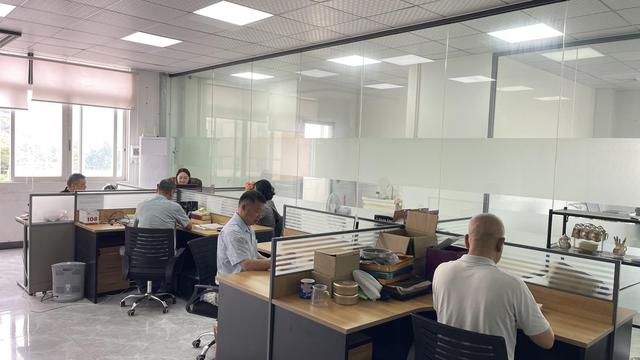
Take an inside look at the quality testing labs, automated winding units, SMT control rooms, and packaging plants of Foshan Aris Cooktop Co., Ltd. These production protocols are designed to ensure consistency across small batch runs and high-volume orders.
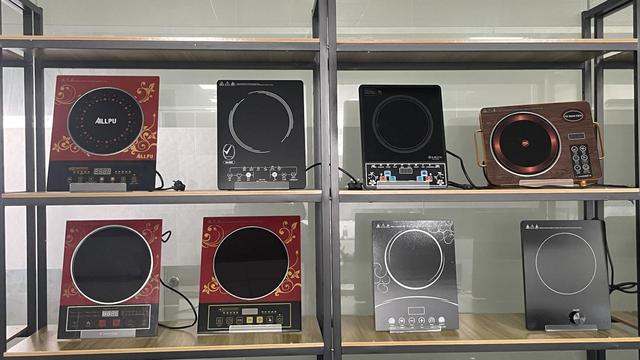
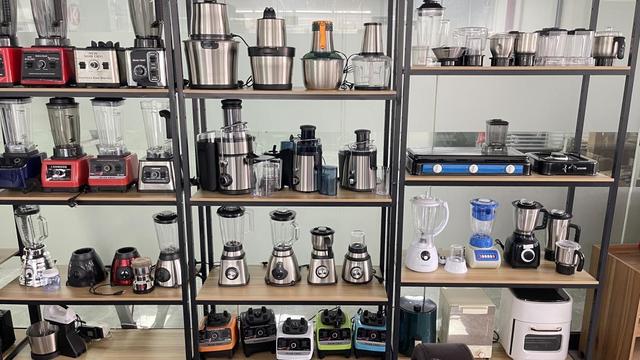
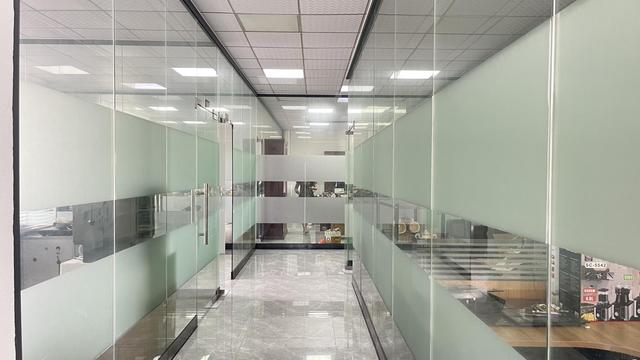
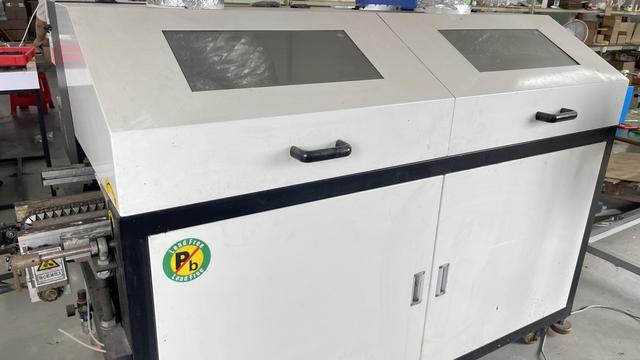
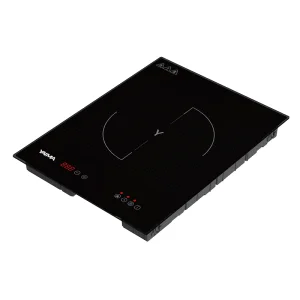
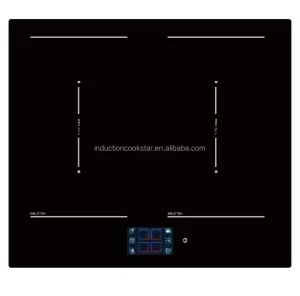
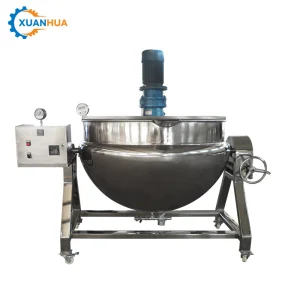
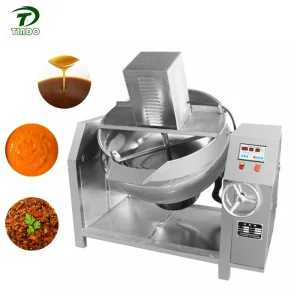
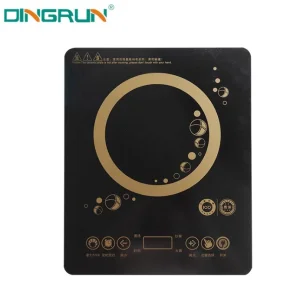
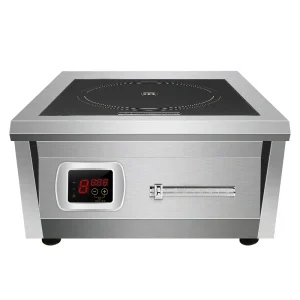
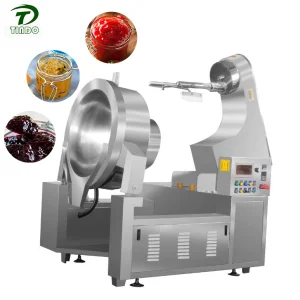
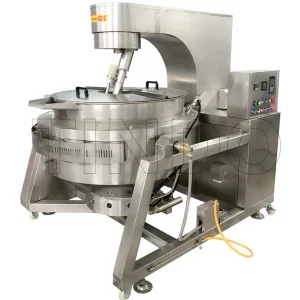
For custom branding, housing molds, and customized packaging, the industry standard MOQ usually ranges from 100 to 500 units for household models. High-capacity commercial induction systems and jacketed kettles can be sourced with MOQs starting at 1 to 5 units, depending on the complexity of the engineering design.
Reliable manufacturers design robust thermal pathways, using large aluminum heatsinks coupled with multi-blade high-RPM fans. Additionally, advanced firmware includes real-time thermistor monitoring (NTC) on both the copper coil and the IGBT substrate, triggering automated step-down power limiters if temperatures exceed 85°C.
Yes. High-quality export models are built with wide-voltage working tolerances (e.g., 85V-265V for single-phase, 340V-460V for three-phase). Modern microcontrollers constantly measure input voltage and frequency, automatically modifying the duty cycle of the resonant inverter to prevent component failure.
Half-bridge topologies utilize a pair of switches (IGBTs) and are ideal for cost-sensitive household appliances. Full-bridge designs employ four switches, allowing continuous, stable low-temperature simmering and higher peak-power capacities, which are essential for commercial duty cycles.
The units must carry an ETL or UL safety mark (conforming to UL 197 or UL 858 standards) and FCC certification for electromagnetic wave emissions. For commercial use, NSF (National Sanitation Foundation) certification may also be required to verify cleanability and design compliance.
Our R&D team can flash localized firmware to support multiple languages on TFT/LCD control displays. Additionally, we provide layout templates for silkscreen control panels to accommodate localized icons, text, and specific regulatory safety decals.
Standard ODM prototypes with minor circuit alterations can be shipped within 15 to 21 days. Deep custom projects requiring fresh industrial design, new injection molds, or new sheet metal stamping frames typically take 45 to 60 days to construct and test.
Glass panels are tested by heating the center of the cooktop to 700°C-800°C using an electromagnetic load and then splashing cold water (approx. 15°C) directly onto the hot surface. The glass must maintain its structural integrity without micro-cracking or fracturing.
 Aris Cooktop