Explore our premium grade touch control induction cooktops engineered for speed, energy efficiency, and commercial safety standards.
Understanding the macroeconomic shifts, technical complexities, and global supply dynamics shaping the smart cooking appliance market.
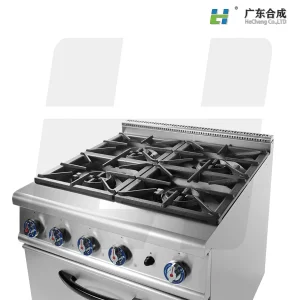
The global household and commercial cooking appliance market is experiencing a massive structural transition. Driven by stringent carbon neutrality policies, rising natural gas tariffs, and a heightened public focus on indoor air quality (due to combustion byproducts like CO2, NOx, and PM2.5), electrification is no longer just a design option—it is a global mandate. Touch control induction cookers sit at the very center of this macro trend, presenting a highly efficient alternative to traditional open-flame gas systems and older resistive electric coils.
Key manufacturing clusters in China, particularly in Foshan, Guangdong, represent over 70% of the world's production capacity for induction heating hobs. These manufacturing bases offer highly verticalized integration—from advanced microcrystalline glass polishing to in-house SMT (Surface Mount Technology) component printing for PCB controllers. The integration of precision capacitive touch interfaces, microcontrollers (MCU), and insulated-gate bipolar transistors (IGBT) has allowed top manufacturers to produce highly reliable, energy-efficient appliances optimized for international markets.
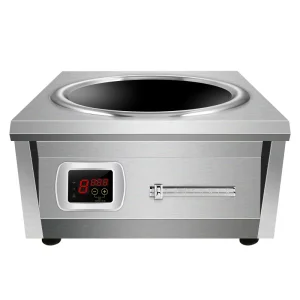
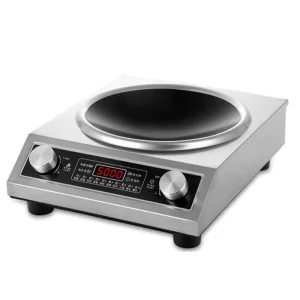
The adoption curves of electric induction technologies differ significantly across global regions due to local infrastructure variations and cultural habits. In North America, the transition is accelerated by municipal bans on gas lines in new construction, and the demand is shifting toward multi-zone, high-power built-in cooktops and ranges. In the European Union, energy efficiency rating regulations (ErP Directives) and compact space constraints favor sleek, ultra-slim, two-burner or portable formats with precise temperature zones. In Asian markets, high-power stir-frying requires specialty concave (semi-spherical) induction structures that deliver concentrated heat flux, matching traditional wok styles without compromising thermal safety.
Leading the Industry with Professional Research, Smart Automation, and Customized OEM/ODM Manufacturing.
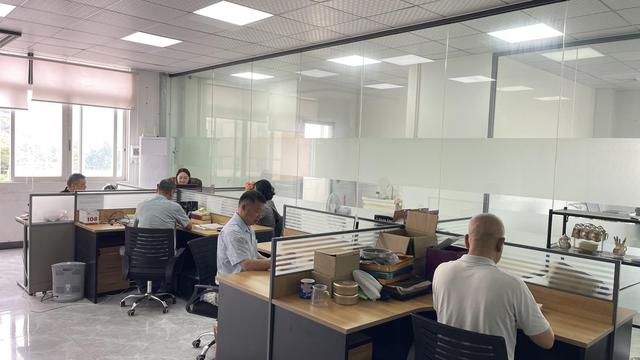
Foshan Aris Cooktop Co., Ltd. is a professional China induction cooktop manufacturer and smart induction stove supplier, specializing in the research, development, manufacturing, and global distribution of advanced kitchen cooking appliances. Based in Foshan, Guangdong, a renowned center for home appliance manufacturing, the company is committed to delivering innovative, energy-efficient, and reliable cooking solutions for customers worldwide.
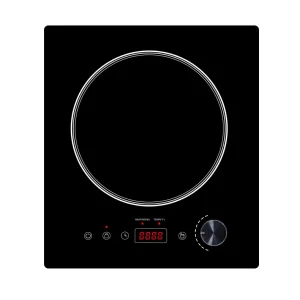
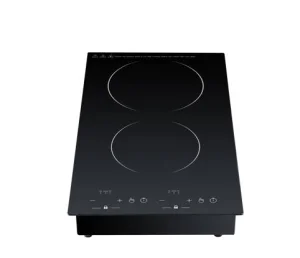
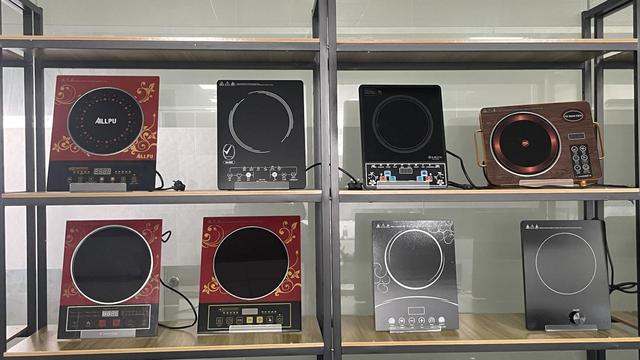
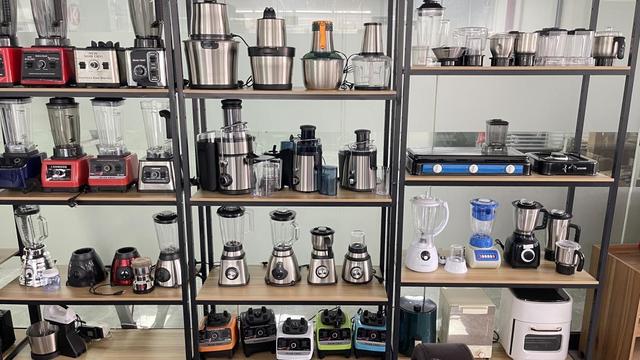
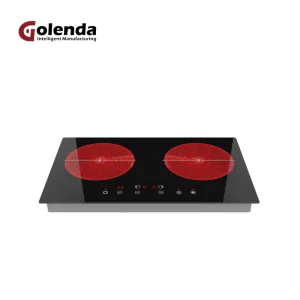
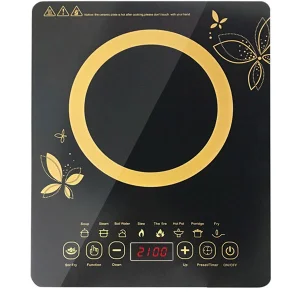
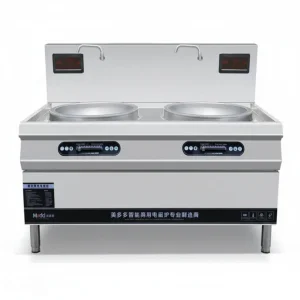
Aris Cooktop offers a comprehensive range of products, including built-in induction cooktops, portable induction cookers, commercial induction stoves, double burner induction cooktops, smart induction hobs, and customized kitchen appliance solutions. Combining modern design with intelligent technology, our products are engineered to provide fast heating, precise temperature control, enhanced safety, and superior energy efficiency for both residential and commercial applications.
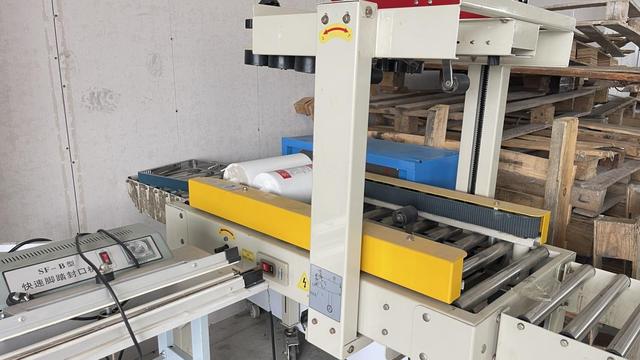
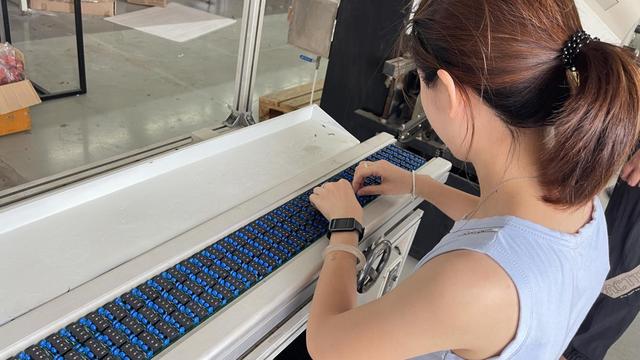
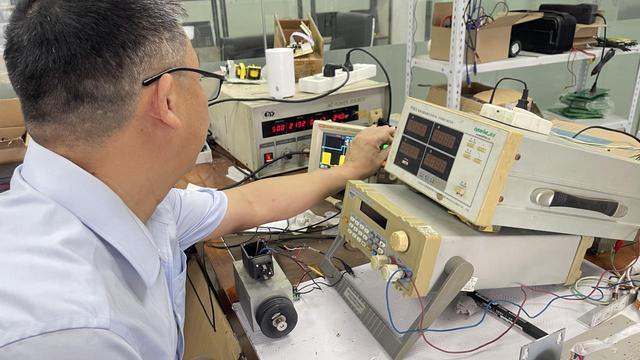
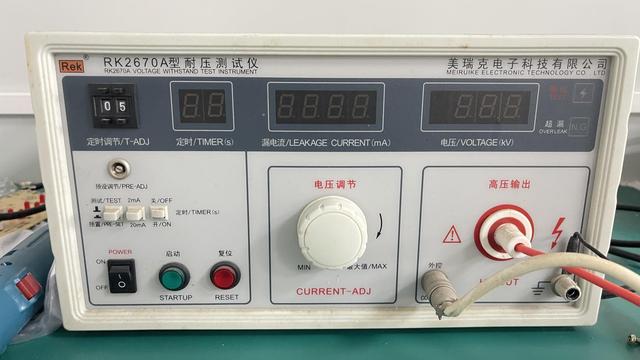
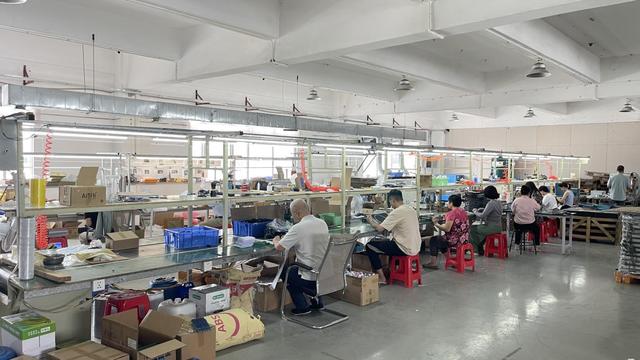
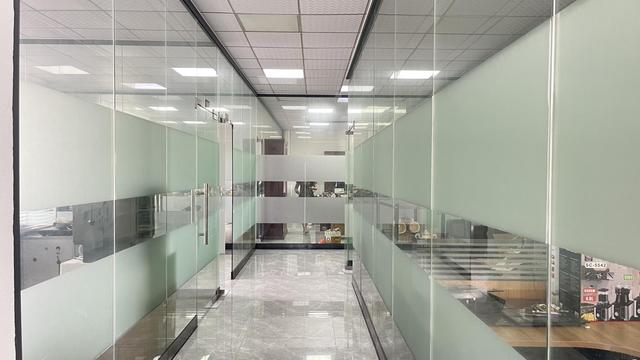
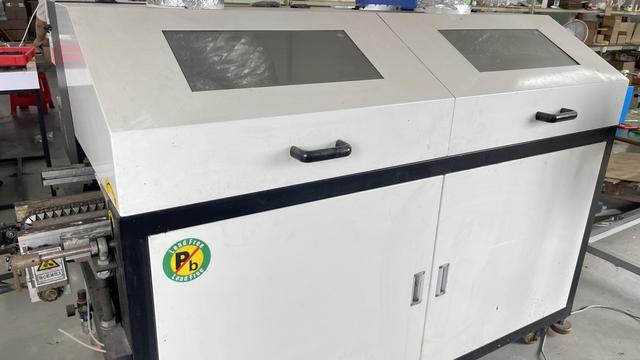
Equipped with advanced production facilities and automated assembly lines, Aris Cooktop maintains strict quality control throughout every stage of manufacturing. From raw material sourcing and component inspection to product testing and final packaging, each induction cooktop undergoes comprehensive performance and safety evaluations to ensure compliance with international quality standards.
To meet the diverse requirements of global markets, we provide flexible OEM and ODM services for international brands, distributors, wholesalers, retailers, and e-commerce businesses. Our experienced R&D team works closely with customers to develop tailor-made products, offering customized designs, functions, user interfaces, packaging, and private label solutions.
Driven by innovation, quality, and customer satisfaction, Foshan Aris Cooktop Co., Ltd. continues to strengthen its presence in global markets. We strive to become a trusted partner for smart kitchen appliances by delivering high-performance induction cooking solutions that create safer, more convenient, and energy-saving cooking experiences for consumers around the world.
Deep-dive into the electrical engineering, materials science, and interface design of modern touch-controlled hobs.
The transition from mechanical dials to sleek microcrystalline touch glass is not merely aesthetic—it represents a major leap in solid-state reliability. Mechanical knobs are prone to oil ingress, wear and tear, and mechanical failure under commercial kitchen heat levels. Conversely, flat-glass capacitive touch systems are fully sealed, preventing moisture and hot grease from breaching the internal circuitry. These systems use changes in electrical capacitance across the glass substrate to detect finger contact, even through light moisture films.
Utilizes multi-layer indium tin oxide (ITO) sensors below microcrystalline glass. Supports multi-touch filters and rejects false signals from liquid spills or grease buildup.
Equipped with 32-bit ARM Cortex or specialized microcontrollers executing high-frequency Pulse Width Modulation (PWM) to regulate power outputs seamlessly.
Active NTC thermistors continuously monitor coil and IGBT temperatures, coupled with smart brushless DC fans to maintain cool air flow through the chassis.
Early models introduced simple tactile segment indicators, requiring users to repeatedly press "+" and "-" buttons. Power boards suffered from high switching losses, and control logic was limited to standard residential voltages.
Introduction of linear capacitive sliders, allowing users to adjust temperatures with a single swipe. On the hardware side, the integration of half-bridge and full-bridge topologies prevented cyclic clicking at lower power levels (under 500W), achieving continuous simmering.
Modern premium designs feature invisible cooktops that heat through ceramic, marble, or quartz counter slabs. Smart sensors monitor pot temperatures directly through the stone, integrating with cloud monitoring platforms for automated industrial and commercial kitchen management.
Key checkpoints for international buyers when evaluating induction cooker factories in China.
Sourcing cooking appliances at a global scale requires rigorous supply chain auditing. High-power heating units pull substantial electric current, making electrical safety, electromagnetic compatibility (EMC), and robust structural design non-negotiable. Importers must look past simple FOB pricing and assess the core manufacturing processes of potential partners.
For B2B buyers evaluating Chinese exporters, four critical structural benchmarks must be verified during on-site or third-party audits:
Foshan Aris Cooktop Co., Ltd. addresses these strict requirements by integrating end-to-end quality controls. Every production batch is tested on automated test benches that measure real-time power draw, voltage fluctuation tolerance, and thermal profile distributions, providing certified documentation for export markets.
Answering crucial technical, commercial, and logistical questions from global B2B procurement professionals.
Premium components, high-temperature ceramic hobs, and dual-burner appliances designed for global distribution networks.
 Aris Cooktop