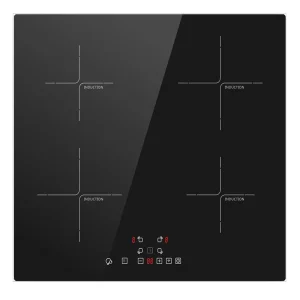
In the modern commercial kitchen equipment and consumer home appliance market, the shift from conventional gas cooking to high-frequency electromagnetic induction is driven by three main factors: thermal efficiency, precise digital control, and environmental safety. At the core of every high-performing induction cooktop lies the electromagnetic induction coil assembly and the integrated heat transfer configuration.
Foshan Aris Cooktop Co., Ltd. stands at the forefront of this industrial transition. As a professional, certified China induction cooktop manufacturer and smart induction stove supplier, we operate advanced fabrication systems in Foshan, Guangdong—the global manufacturing heartland for intelligent home and commercial kitchen appliances.
We specialize in researching, designing, and manufacturing high-integrity induction cooking technologies. Our solutions are engineered to convert electrical current into precise electromagnetic fields, ensuring uniform heat distribution and minimal energy waste for global foodservice chains, appliance brands, and commercial kitchen suppliers.
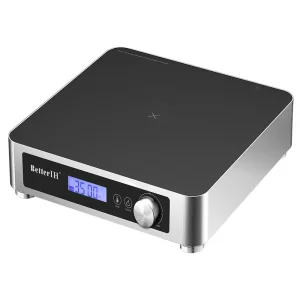
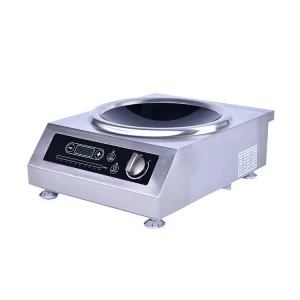
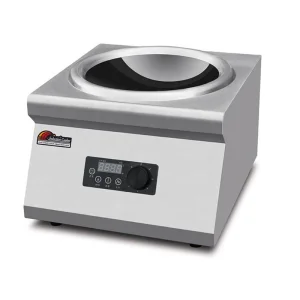
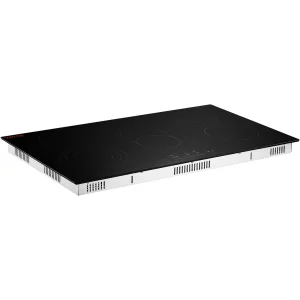
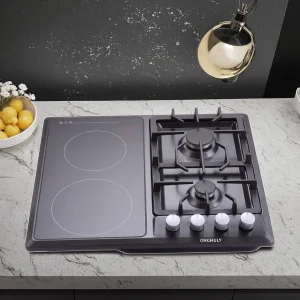
Our product line covers built-in multi-burner hobs, heavy-duty commercial concave woks, smart IoT-enabled stoves, and customizable induction interfaces designed to fit seamless architectural layouts.
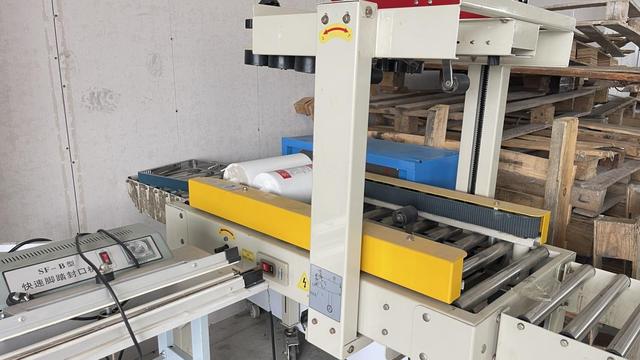
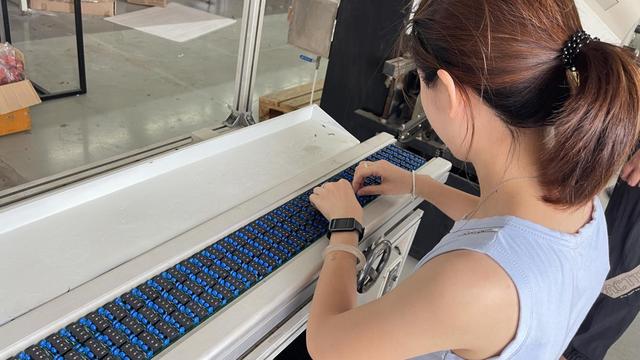
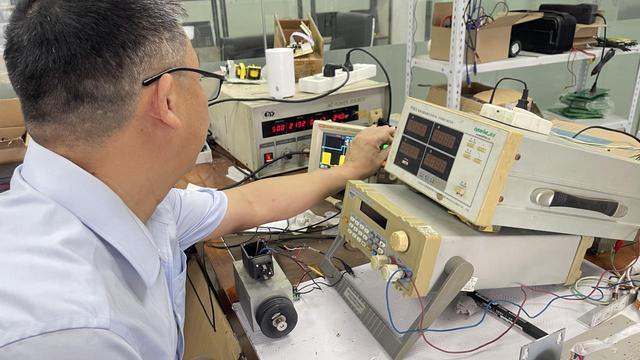
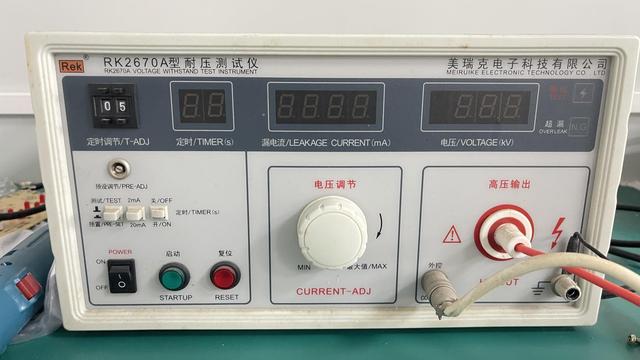
Developing high-efficiency electromagnetic cooktops requires more than just assembling components. It demands a highly integrated ecosystem of specialized suppliers, raw material refiners, tool-and-die shops, and electronics manufacturers. Located in the Shunde-Foshan appliance hub, Aris Cooktop benefits from an optimized local supply chain that allows us to manufacture premium induction cooktops at highly competitive price points.
We source high-magnetic-permeability copper coils and heat-resistant glass-ceramic panels from the industry's top suppliers. This ensures that the electromagnetic induction system exhibits minimal energy loss and superior heat transfer efficiency.
Our factory uses automated robotic winding systems and precision computer numeric control (CNC) machining. This level of automation keeps unit tolerances within micrometric deviations, ensuring consistent cooking performance.
By keeping key manufacturing steps in-house—including metal stamping, PCB assembly (SMT), and safety testing—we reduce delivery lead times by up to 30% compared to fragmented international supply chains.
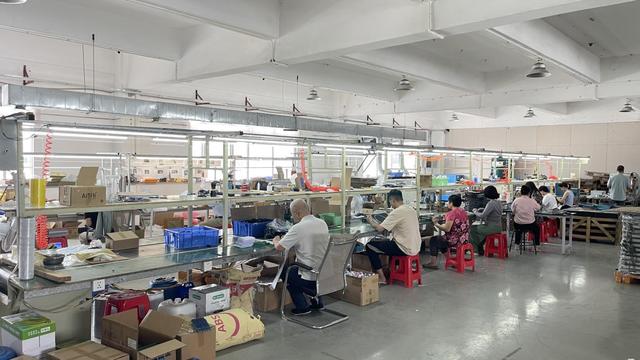
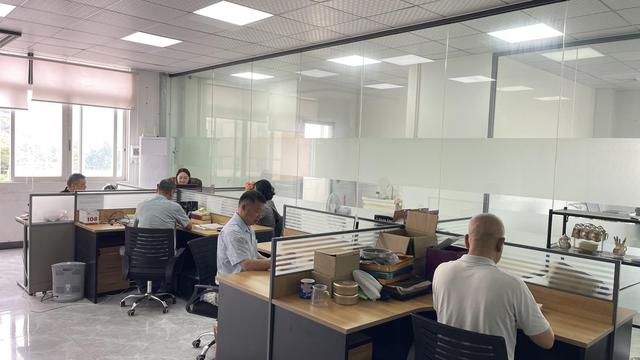
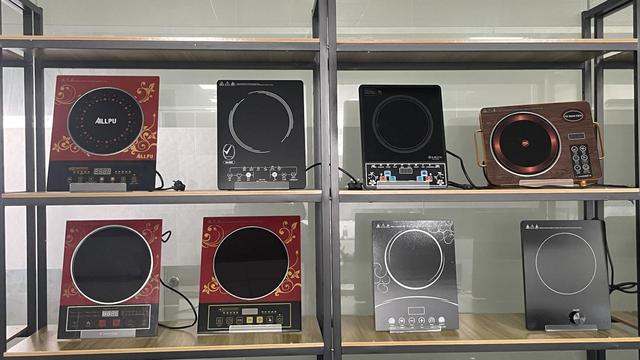
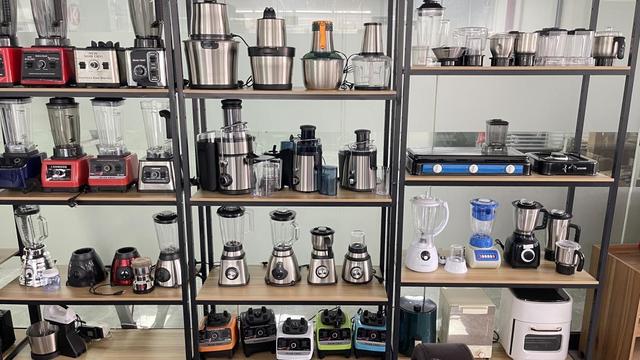
The efficiency of an induction cooktop relies on the magnetic coupling between the copper induction coil and the cookware. Our R&D division uses finite element analysis (FEA) to model magnetic flux lines, ensuring maximum energy transfer and minimal heat loss through the ceramic glass.
| Performance Parameters | Aris Premium Induction Coils | Standard Commercial Coils | Impact on Cooking Performance |
|---|---|---|---|
| Coil Composition | Dual-layer, oxygen-free copper Litz wire | Single-strand copper-clad aluminum (CCA) | Reduces resistive losses and coil operating temperatures, extending component lifespan. |
| Magnetic Shielding | High-density anisotropic ferrite segments | Isotropic low-grade plastic-bonded magnets | Directs the magnetic flux upward into the pan, minimizing EMI and stray radiation. |
| Glass Ceramic Material | High-permeability microcrystalline ceramic glass | Standard tempered soda-lime glass | Withstands extreme thermal shock up to 800°C and ensures high infrared transmission. |
| Thermal Efficiency Rating | 90% – 93% (complies with ERP Class A) | 78% – 82% | Reduces energy consumption, speeds up boiling times, and lowers utility costs. |
| Integrated Safety Sensors | Dual-point thermal sensors + NTC resistors | Single mechanical thermostat | Prevents dry-heating, detects empty pans instantly, and prevents glass cracking. |
Navigating import regulations is critical for global distributors and appliance brands. Every market has strict standards for safety, electromagnetic compatibility (EMC), and environmental impact. Aris Cooktop designs and tests its products to meet these international requirements, ensuring smooth customs clearance and compliance.
Our high-power residential and commercial ranges are designed to meet UL 197 and ETL sanitation standards (NSF-4). They are optimized for split-phase electrical grids (110V/220V, 60Hz) and comply with FCC Class A/B regulations on electromagnetic interference.
We supply CE and CB certified hobs designed for European grids (220V-240V, 50Hz). These units meet EN 60335 safety standards, feature eco-design standby modes under 0.5W, and comply with RoHS directives for hazardous materials.
From fluctuating commercial voltages to region-specific user interfaces, our engineering team designs control software and power boards that maintain consistent performance, even during voltage drops.
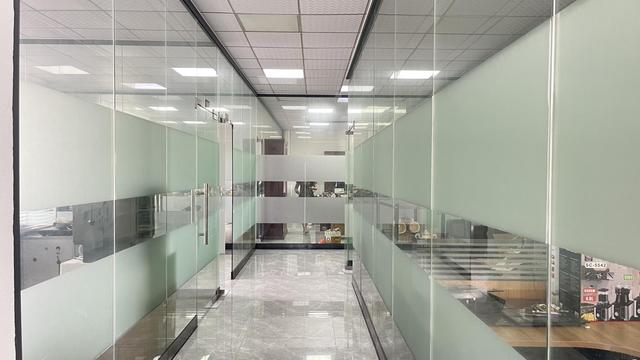
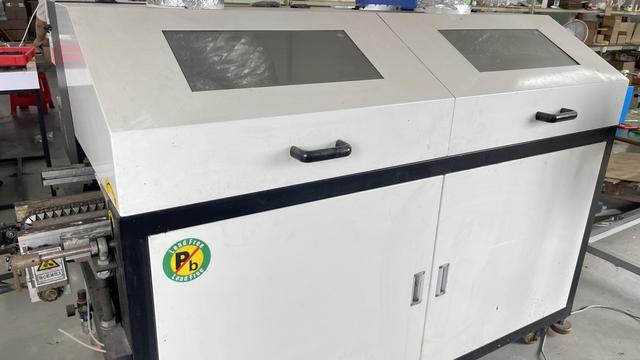
Every professional brand and distributor has unique requirements. We provide a comprehensive suite of OEM and ODM services, allowing customers to customize aesthetic designs, functionality, and firmware behaviors.
Our R&D team provides rapid prototyping services, transforming CAD concepts into functional, testable pre-production samples within 3 to 4 weeks.
As energy-efficiency standards tighten globally, the food service and residential appliance industries are adopting smarter, more efficient induction technologies. We invest in research and development to incorporate these emerging trends into our product lines:
We are transitioning our high-power control boards to Silicon Carbide (SiC) and Gallium Nitride (GaN) power modules. This reduces switching losses and allows for more compact, lower-profile cooktop designs.
Instead of fixed circular burners, our smart free-induction surfaces use arrays of smaller coil modules. These modules detect the size and shape of cookware automatically, supplying power only to the active areas.
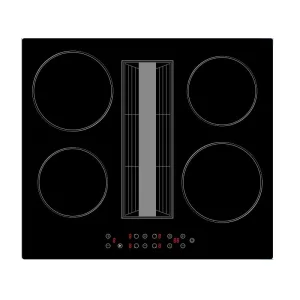
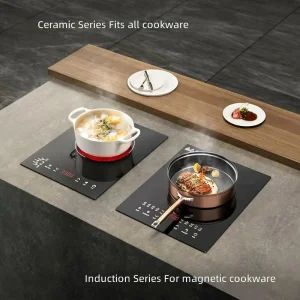
We integrate down-draft extraction hood assemblies directly into multi-zone ceramic surfaces. This eliminates the need for bulky overhead hoods and optimizes airflow in modern open-concept kitchens.
For standard catalog models, production lead times average 30 to 45 days. Customized OEM designs require 2 to 3 weeks for technical drawings and tooling design, followed by 30 days for pilot runs and safety testing.
We use high-density ferrite shielding around our coil structures to contain stray electromagnetic radiation. Additionally, our control boards are equipped with EMI filters that prevent electrical noise feedback into local grids, meeting FCC Part 15 and CISPR 14 standards.
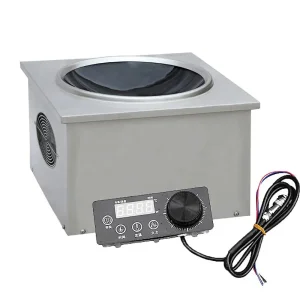
Yes. Our commercial woks feature active-cooling fans, thick 304 stainless steel housings, and heavy-duty microcrystalline ceramic glass bowls designed to handle heavy pan contact and high-heat cycles without cracking or overheating.
We support Tuya Smart protocols, allowing integration with mobile applications for remote monitoring, customized heating profiles, and diagnostics. We can also integrate custom Bluetooth temperature probes for precision culinary applications.
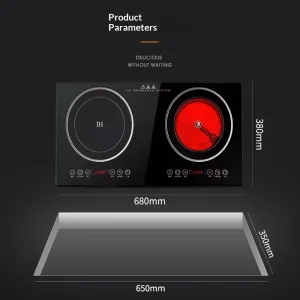
 Aris Cooktop