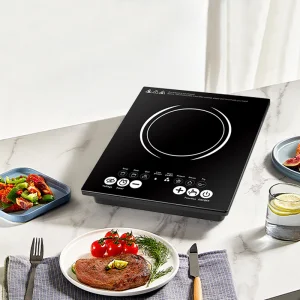
Kenya is currently at the forefront of a significant energy transition. Guided by the National Electrification Strategy and the energy initiatives championed by the Ministry of Energy and Petroleum, there is a clear strategic push from biomass (charcoal and wood) and imported Liquefied Petroleum Gas (LPG) toward efficient electric cooking (e-cooking).
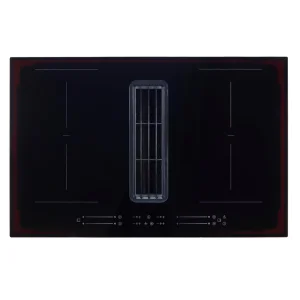
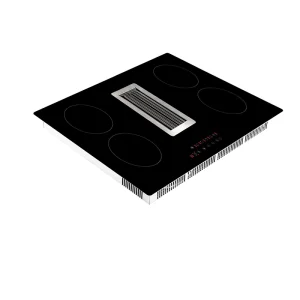
Historically, residential areas in Nairobi, Mombasa, and Kisumu relied heavily on gas cylinders. However, volatile global oil prices and safety hazards associated with gas storage in modern high-rise apartments—such as those in Kilimani, Westlands, and Kileleshwa—have prompted real estate developers to mandate built-in and embedded induction hobs in new residential layouts.
For distributors and project specifiers, understanding this paradigm shift is key. By sourcing premium embedded hobs, importers can align with national sustainability goals while meeting the rising consumer demand for sleek, safe, and cost-efficient kitchen appliances.
Electrical appliance design for the East African market must address grid stability. Power grids in East Africa can experience supply fluctuations, voltage drops, and transient surges. To survive and operate efficiently in this environment, induction hobs require robust power supply designs.
Our manufacturing pipeline at Foshan Aris Cooktop Co., Ltd. implements wide-voltage tolerance logic (180V–265V) across our entire line of induction hobs. We integrate heavy-duty induction coils and German-engineered IGBTs (insulated-gate bipolar transistors) that actively protect the internal circuitry against sudden utility drops.
B2B buyers, including kitchen cabinet manufacturers, construction general contractors, and retail chain buyers, have specific requirements when importing containers of kitchen hobs. The criteria extend beyond simple pricing:
Foshan Aris Cooktop Co., Ltd. is a professional China induction cooktop manufacturer and smart induction stove supplier, specializing in the research, development, manufacturing, and global distribution of advanced kitchen cooking appliances. Based in Foshan, Guangdong, a renowned center for home appliance manufacturing, the company is committed to delivering innovative, energy-efficient, and reliable cooking solutions for customers worldwide.
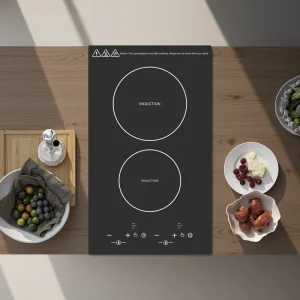
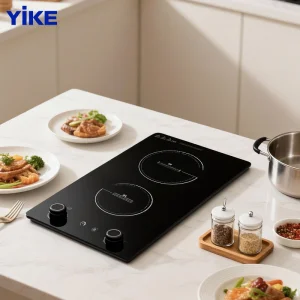
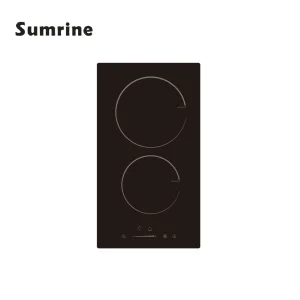
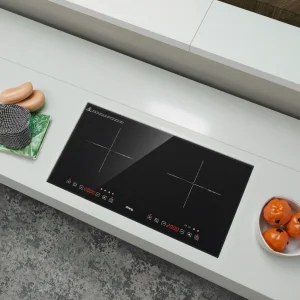
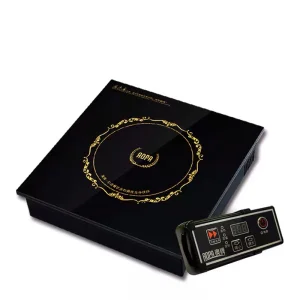
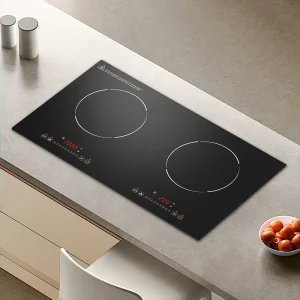
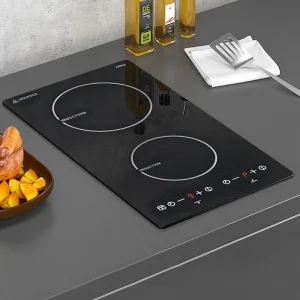
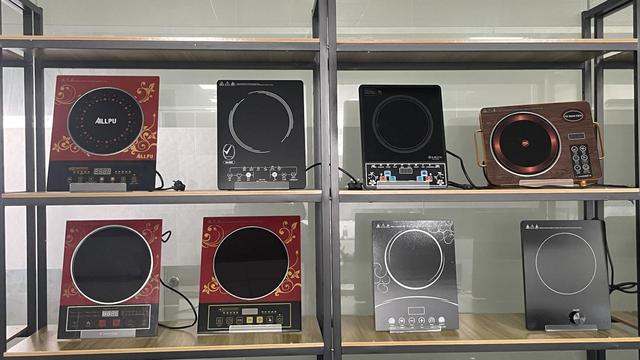
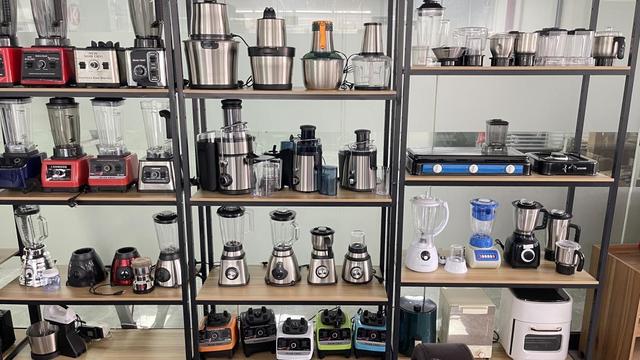
Aris Cooktop offers a comprehensive range of products, including built-in induction cooktops, portable induction cookers, commercial induction stoves, double burner induction cooktops, smart induction hobs, and customized kitchen appliance solutions. Combining modern design with intelligent technology, our products are engineered to provide fast heating, precise temperature control, enhanced safety, and superior energy efficiency for both residential and commercial applications.
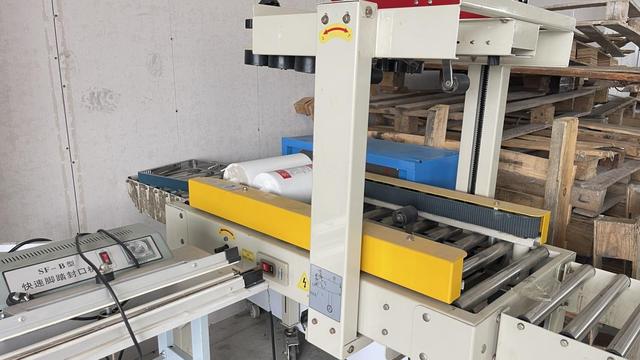
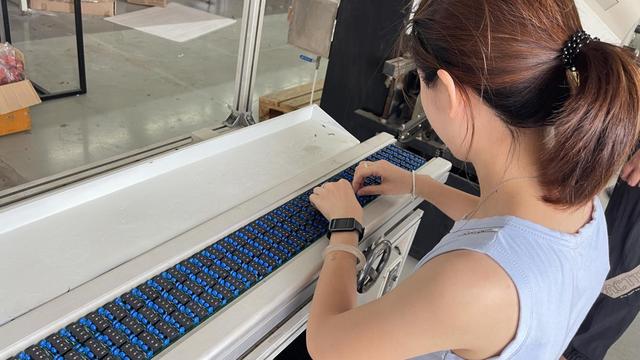
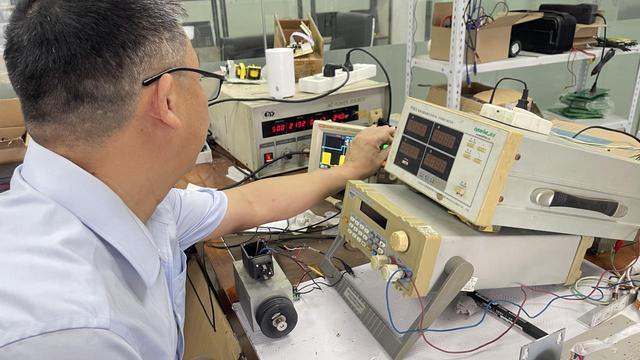
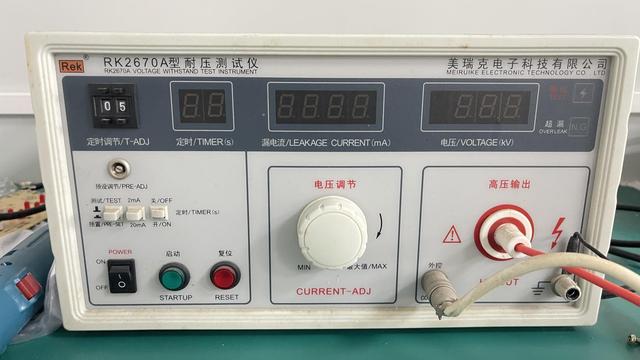
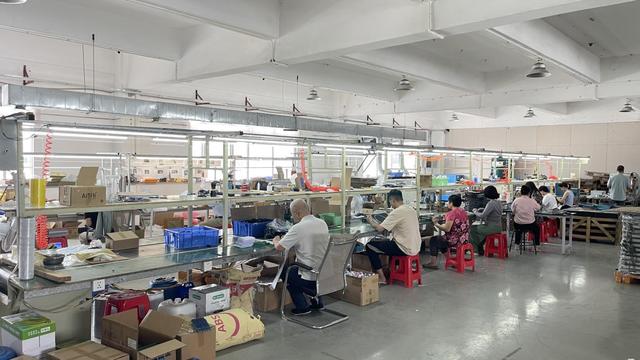
Equipped with advanced production facilities and automated assembly lines, Aris Cooktop maintains strict quality control throughout every stage of manufacturing. From raw material sourcing and component inspection to product testing and final packaging, each induction cooktop undergoes comprehensive performance and safety evaluations to ensure compliance with international quality standards.
To meet the diverse requirements of global markets, we provide flexible OEM and ODM services for international brands, distributors, wholesalers, retailers, and e-commerce businesses. Our experienced R&D team works closely with customers to develop tailor-made products, offering customized designs, functions, user interfaces, packaging, and private label solutions.
Driven by innovation, quality, and customer satisfaction, Foshan Aris Cooktop Co., Ltd. continues to strengthen its presence in global markets. We strive to become a trusted partner for smart kitchen appliances by delivering high-performance induction cooking solutions that create safer, more convenient, and energy-saving cooking experiences for consumers around the world.
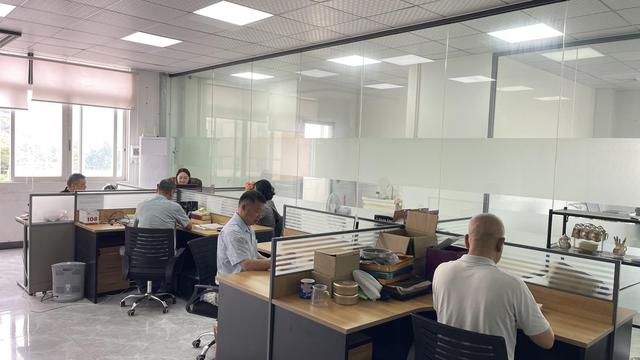
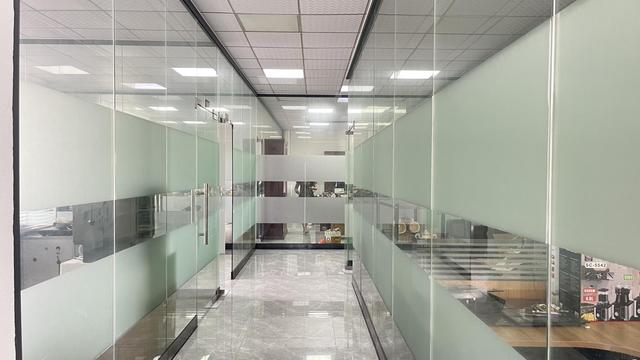
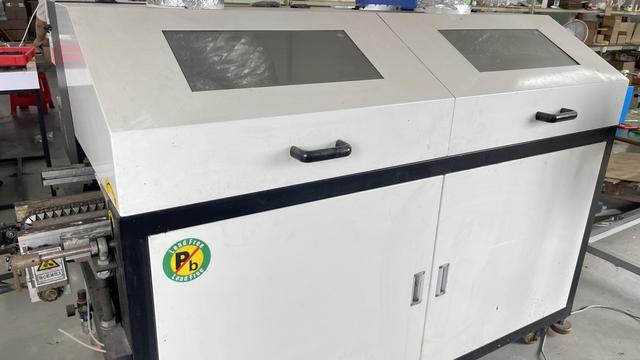
A visual representation of our manufacturing capability based in Foshan, Guangdong. We employ modern robotic assembly lines and comprehensive quality management protocols to ensure all exported hobs meet local global regulations.
As we look towards the late 2020s, the design of induction hobs is incorporating smart features that align with regional off-grid solar micro-grids. For East African markets, where clean energy continues to expand, local micro-grids are becoming viable power sources.
Hybrid Energy Inputs: Our research and development center is actively engineering smart hybrid induction hobs capable of switching between standard KPLC grid lines and residential solar battery systems. This optimizes energy distribution, ensuring cooking can continue during grid maintenance.
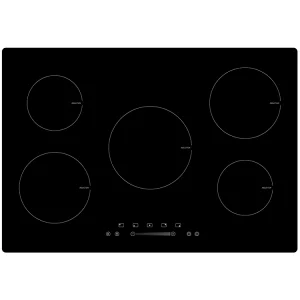
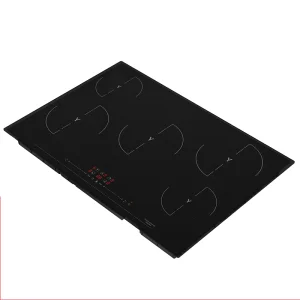
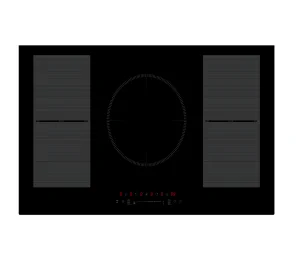
IoT Load Balancing: High-power residential units with 4 or 5 zones can strain local building breakers if all elements run at maximum capacity simultaneously. Our dynamic smart power management system distributes power between burners using phase-angle control, ensuring the total draw remains within the preset current limits of standard residential units.
Ready to integrate premium Chinese engineering into your product lineup?
Contact Our B2B Sales Department Aris Cooktop