Q1:
How do I choose the best layout for my kitchen cabinet project?
The ideal kitchen layout depends on your available space and daily workflow. Standard configurations include L-shape, U-shape, single-wall, and galley layouts. Consider the kitchen work triangle concept—positioning your sink, refrigerator, and stove in a structured triangular flow to maximize accessibility and cooking efficiency.
Q2:
What materials are most recommended for durable kitchen cabinet doors?
For long-lasting kitchen cabinets, solid wood, high-density MDF (Medium-Density Fibrefboard), and premium moisture-resistant plywood are highly recommended. Solid wood offers natural beauty and strength, while engineered wood options like MDF are highly resistant to temperature fluctuations and warping, making them perfect for sleek, modern painted finishes.
Q3:
Are custom kitchen cabinets customizable for integrated kitchen appliances?
Yes, custom kitchen cabinetry can be tailored to perfectly fit integrated appliances such as built-in ovens, microwaves, dishwashers, and range hoods. Proper panel integration creates a seamless, streamlined, and clean visual effect across your entire kitchen environment.
Q4:
What is the best way to clean and maintain high-quality kitchen cabinet finishes?
To maintain the surface finish, wipe down your kitchen cabinets regularly using a soft microfiber cloth dampened with warm water and a small amount of mild, non-abrasive soap. Avoid using harsh chemical cleaners, bleach, or rough scouring pads, and always wipe away excess moisture with a dry towel immediately.
Q5:
Why are soft-close drawer glides and hinges standard for modern kitchen designs?
Soft-close hardware prevents cabinet doors and drawers from slamming shut, significantly reducing wear and tear on the structural frames and hardware components. This feature also prevents accidents, minimizes noise levels, and extends the overall functional lifespan of your custom kitchen cabinetry.
Q6:
How do I maximize storage in a small or compact kitchen layout?
Maximize small kitchen spaces by choosing floor-to-ceiling cabinets, utilizing corner cabinet lazy Susans, and installing deep pull-out pantry organizers. Choosing vertical wall dividers, hanging racks, and slim spice pull-outs helps to utilize every inch of space efficiently without cluttering the countertops.
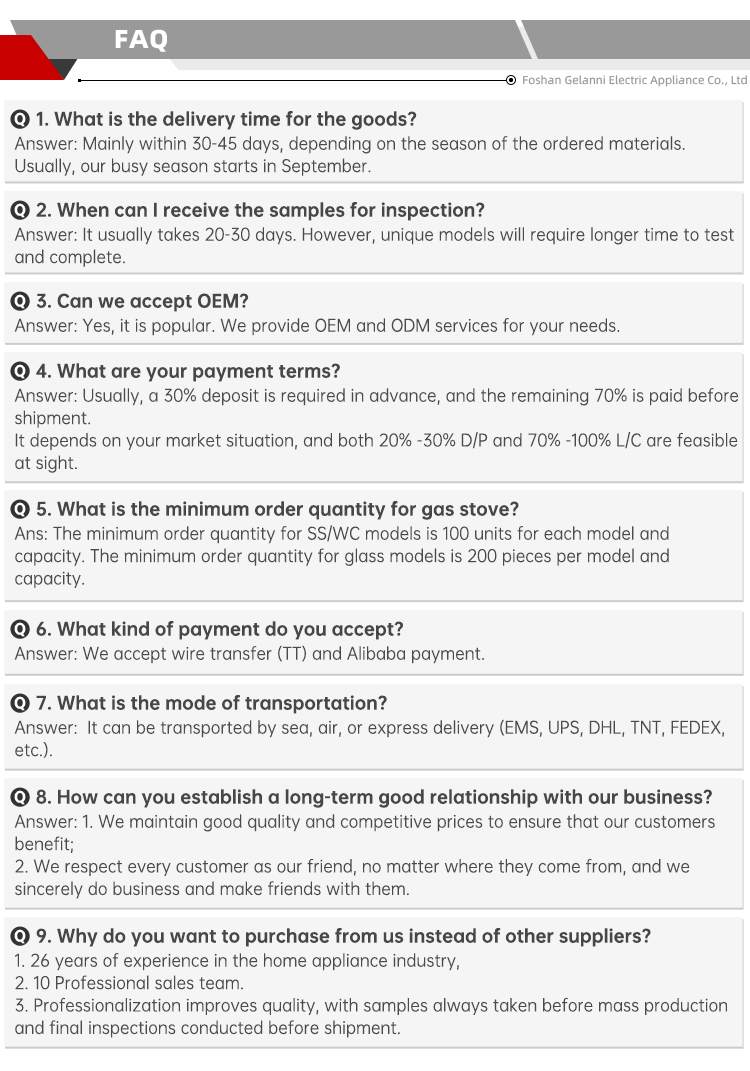
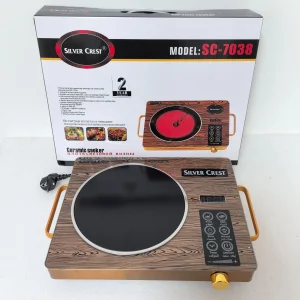
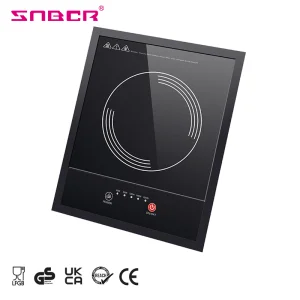
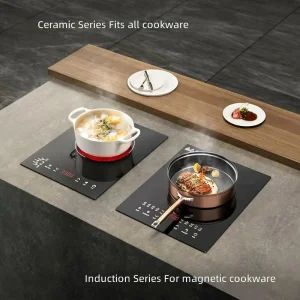
 Aris Cooktop