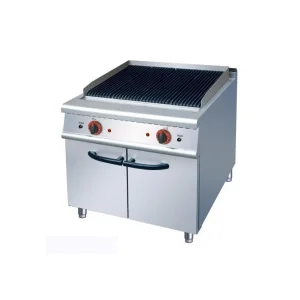
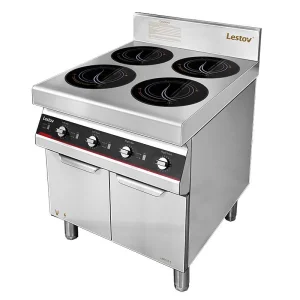
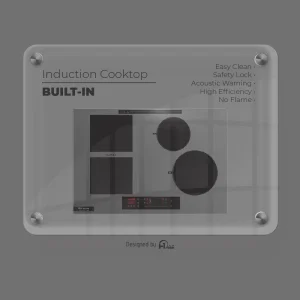
Discover the industry-standard solutions configured for global energy compliance, featuring advanced thermal induction coils and responsive power distribution.
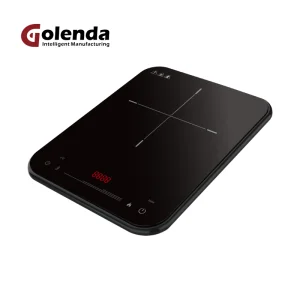
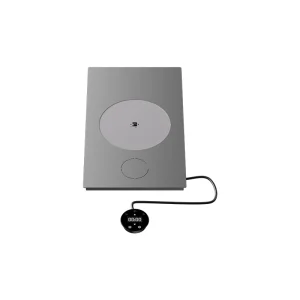
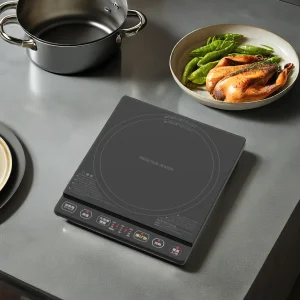
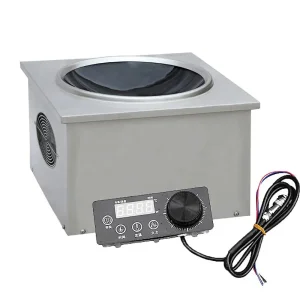
Unpacking the rapid adoption curve of high-performance lightweight induction cooktops across international logistics networks, building standards, and off-grid infrastructures.
The global culinary technology sector is undergoing an unprecedented structural transition. The imperative to retire legacy open-flame gas systems—driven by municipal gas bans, localized green building codes, and escalating indoor air quality standards—has placed electromagnetic induction cooking at the forefront of modern kitchen architecture. Concurrently, the growth of the mobile hospitality sector, high-density urban residential development, marine cruising, and remote work infrastructure has stimulated massive B2B demand for lightweight, high-power-density induction systems.
Unlike traditional heavy-cast commercial induction units, modern lightweight cooktops employ lightweight high-temperature engineering polymers, advanced microcrystalline glass panels, and highly optimized structural designs. This reduction in deadweight directly translates to reduced logistics costs for international importers, improved portability for off-grid operations, and simplified installation parameters for built-in residential kitchen layouts.
From a macroeconomic perspective, Europe and North America currently dominate the high-end residential import market, prioritizing safety certifications (such as CE, GS, UL, and FCC) and sophisticated aesthetic profiles. Meanwhile, emerging markets in Asia-Pacific and Latin America are exhibiting significant compound annual growth rates (CAGR) in the adoption of portable, solar-compatible DC/AC induction units to bypass inconsistent domestic gas pipelines. In this landscape, securing partnerships with Tier-1 manufacturers who possess complete control over the electronic engineering and casing fabrication processes is paramount for international appliance brands.
An analysis of raw materials, power topology, control loops, and material science developments defining the next generation of induction cooktops.
Utilizing robust Insulated Gate Bipolar Transistors (IGBT), specifically optimized to prevent thermal runaway and maintain consistent low-wattage cooking without duty-cycle pulsing.
Multi-strand Litz wire configurations engineered to minimize skin effect losses and maximize the electromagnetic field coupling to the cookware base.
Thermal-shock resistant crystalline structures capable of sustaining surface temperatures up to 800°C without mechanical degradation or loss of structural integrity.
| Feature Spec | Standard Induction Cooktops | Advanced Lightweight Systems | Industrial Grade Portable Units |
|---|---|---|---|
| Chassis Deadweight | 4.5 kg – 6.2 kg | 1.8 kg – 2.9 kg | 3.0 kg – 4.2 kg |
| Power Conversion Efficiency | 82% - 85% | 90% - 93% | 92% - 95% |
| Min. Continuous Output | Pulsed (cycles on/off) | 300W Continuous Linear | 500W Continuous Linear |
| Glass Panel Modulus | Standard Tempered Glass | Microcrystalline / Slate Plate | Ultra-reinforced Concave Ceramic |
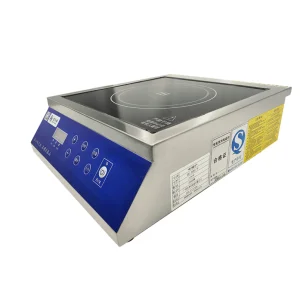
| Target Market Sector | General Household Retail | B2B OEM, RV, Solar, Marine | Commercial Catering, High-End Horeca |
How regional variables, power grid conditions, and user behaviors dictate specific hardware configurations.
A primary error in international sourcing is failing to account for localized operational contexts. A cooktop optimized for a stable Western European grid (230V, 50Hz, strict EMI shielding requirements) will encounter electrical failures when operated on fluctuating rural grids or off-grid solar-battery setups. Key target markets present different parameters:
In this sector, structural safety, vibration resistance, and space utilization are critical. Cooktops must have robust internal vibration damping for road and sea transit. The power rating must respect the standard 15A/20A branch circuit limits at 120V AC, making dual-burner systems with dynamic power sharing (e.g., maximum 1800W combined draw allocated dynamically between zones) highly prized.
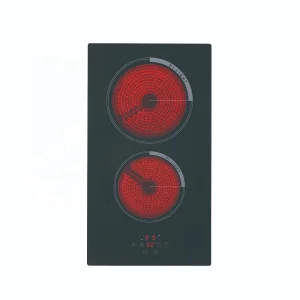
Strict energy efficiency ratings and compliance with building decarbonization programs require low standby power usage (<1W) and compliance with EN 301 489 electro-magnetic compatibility standards. Inset, flush-mounted double-burner units with touch control and child safety interlocks are the leading choice for high-density European apartments.
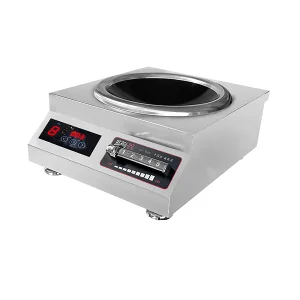
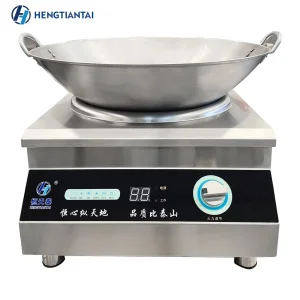
Asian culinary preparations rely heavily on wok cooking, which requires intense heat directed to the sides of the pan. Standard flat glass surfaces are inefficient here. Specifiers choose concave induction cooktops with custom copper coil baskets that wrap around the curvature of the commercial wok, providing rapid thermal response and high heating rates.
Foshan Aris Cooktop Co., Ltd.: Driving the next generation of electromagnetic induction hardware from China’s leading home appliance manufacturing cluster.
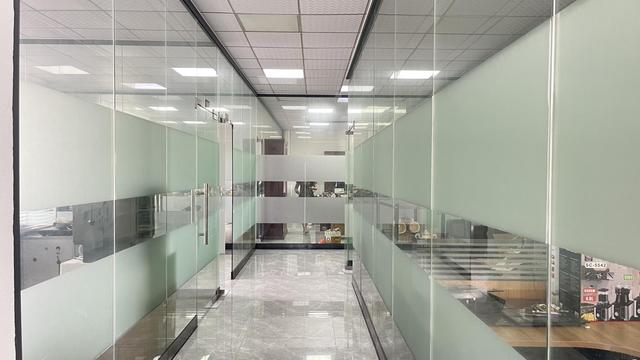
Based in Foshan, Guangdong, Foshan Aris Cooktop Co., Ltd. is a specialized manufacturer and exporter of smart induction stoves. The company's engineering facility houses integrated R&D testing chambers, automated surface-mount technology (SMT) lines for PCB fabrication, assembly lines, and aging test rigs. This extensive infrastructure enables the company to consistently deliver robust kitchen appliances for residential, commercial, and off-grid markets globally.
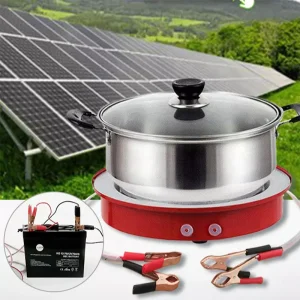
The company offers a comprehensive product range, including built-in single/multi-zone hobs, portable induction plates, commercial wok ranges, and specialized DC-powered solar cookers. By selecting high-grade component suppliers and maintaining strict quality control protocols throughout production, Aris Cooktop products comply with international safety regulations, including CE, CB, RoHS, and FCC.
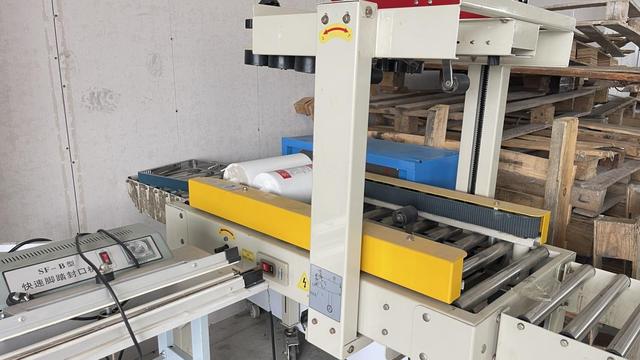
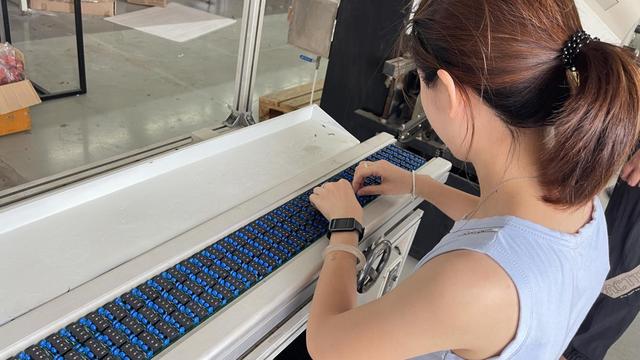
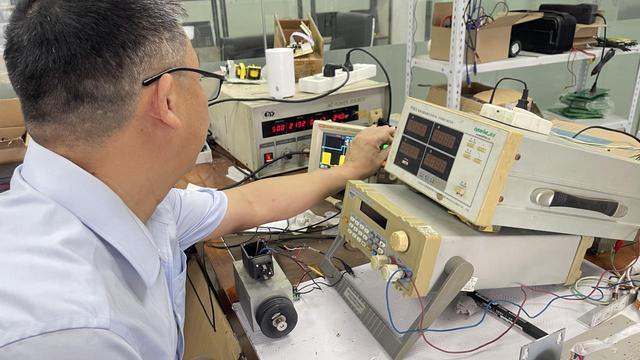
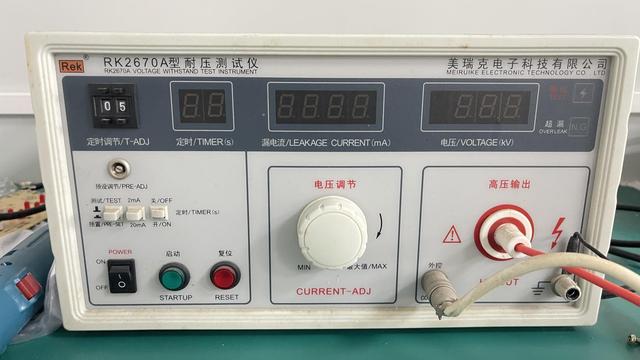
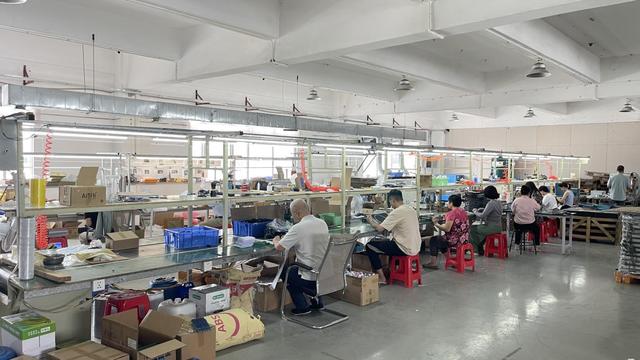
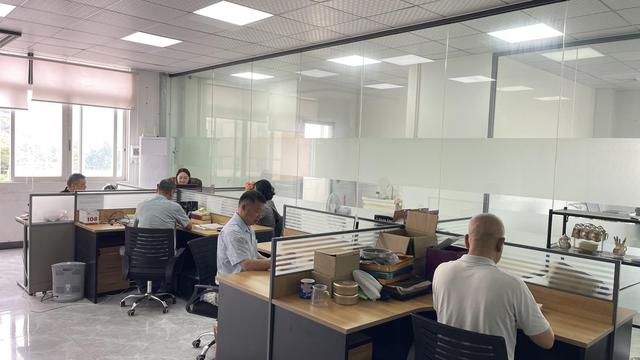
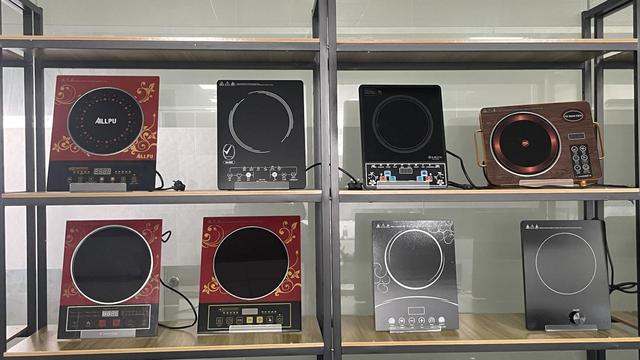
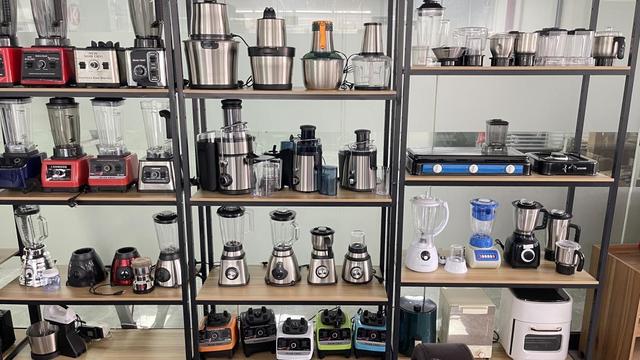
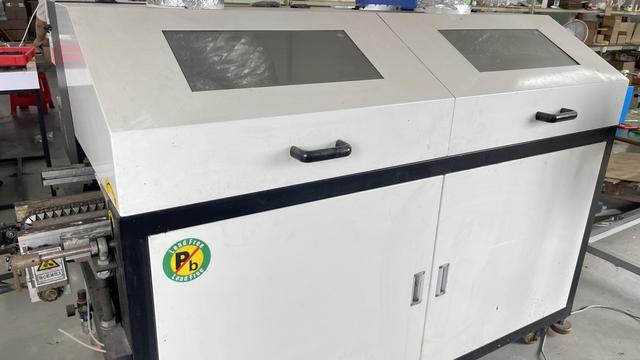
Aris Cooktop provides full-service OEM and ODM capabilities for appliance brands, commercial food service suppliers, and direct-to-consumer e-commerce companies. Its R&D engineering team offers customized solutions across electrical power parameters, software logic control, chassis materials, glass dimensions, and user interfaces (including digital dials and smart TFT displays).
Expert technical answers addressing efficiency, material selection, supply chain logic, and international compliance standards.
Explore high-capacity multi-burner configurations and off-grid solutions engineered for commercial and high-performance residential applications.
 Aris Cooktop