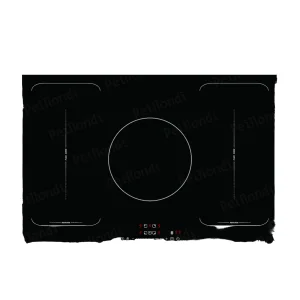
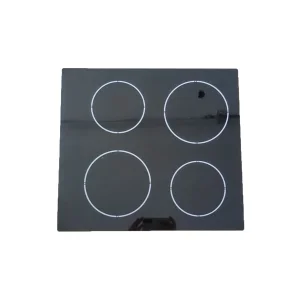
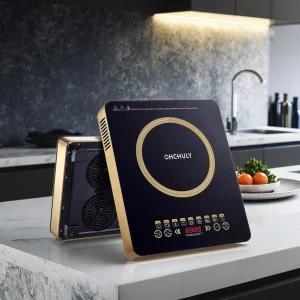
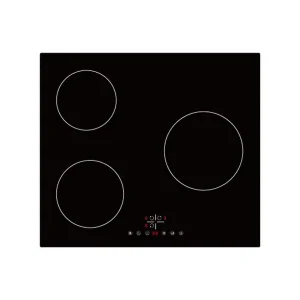
Explore our core selection of high-efficiency, multi-zone built-in hobs and portable induction units designed for global commercial and residential applications.
An authoritative review of the global macroeconomic shift toward clean energy, induction cooking technologies, and the regulatory landscapes driving industrial manufacturing.
The global cooking appliance sector is undergoing a rapid structural paradigm shift, moving away from fossil-fuel-based thermal systems like natural gas toward localized, zero-emission electromagnetic induction. Propelled by strict decarbonization agendas such as the European Green Deal, the US Energy Policy Act, and regional Net-Zero 2050 directives, commercial caterers, developers, and appliance distributors are aggressively phase-shifting to induction technologies. Unlike traditional open-flame systems, induction cooktops deliver upwards of 90% energy transfer efficiency by applying high-frequency magnetic fields directly to ferromagnetic cookware, significantly minimizing heat dissipation and operational carbon footprints.
Beyond eco-friendly sustainability, induction systems resolve major commercial pain points: indoor thermal accumulation, localized air quality hazards (such as NOx and CO emissions), and strict corporate environmental, social, and governance (ESG) compliance requirements. This transition is not merely trend-based; it is mandated. European and North American building codes increasingly restrict fossil gas connections in new construction, positioning electromagnetic cooktops as the default technology for modern infrastructure. Manufacturers who integrate advanced engineering protocols—such as electromagnetic compatibility (EMC) shielding and multi-phase thermal safety mechanisms—become vital downstream supply chain partners for international distributors.
Key technological trajectories defining the future of the induction cooking apparatus industry.
Modern induction hobs are transforming into integrated elements of smart home environments. By adopting Tuya, Bluetooth, and Wi-Fi system architectures, users can seamlessly manage thermal curves, monitor energy usage, and synchronize ventilation systems remotely.
Moving away from fixed circular heating zones, advanced cooktops employ arrays of multi-coil configurations. These coils automatically detect the shape, surface area, and position of ferromagnetic vessels, optimizing heat distribution and maximizing flexibility.
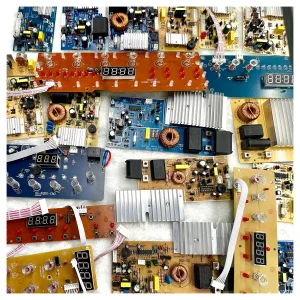
Regulatory frameworks such as the EU ErP directive necessitate sustainable product lifecycles. Leading manufacturers design systems for easy disassembly, employing recyclable materials, RoHS-certified glass ceramics, and modular PCBs to facilitate efficient maintenance.
A Professional China Induction Cooktop Manufacturer & Smart Induction Stove Supplier
Foshan Aris Cooktop Co., Ltd. is a professional China induction cooktop manufacturer and smart induction stove supplier, specializing in the research, development, manufacturing, and global distribution of advanced kitchen cooking appliances. Based in Foshan, Guangdong, a renowned center for home appliance manufacturing, the company is committed to delivering innovative, energy-efficient, and reliable cooking solutions for customers worldwide.
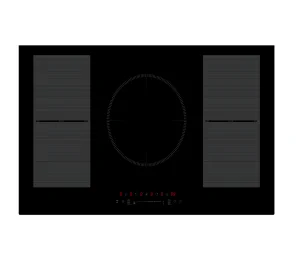
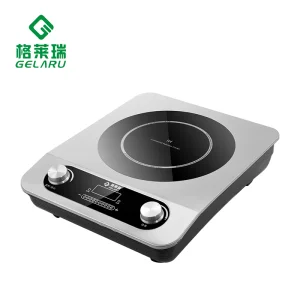
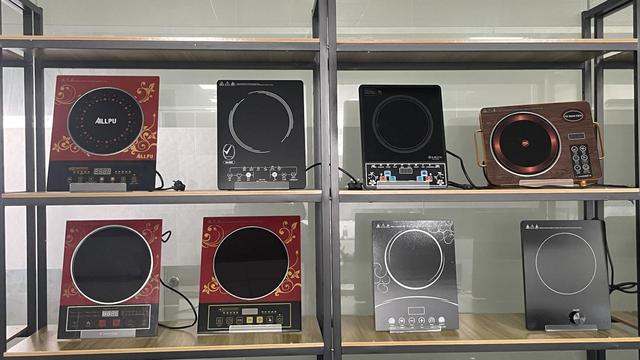
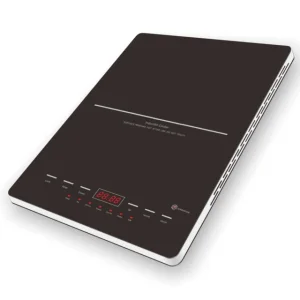
Aris Cooktop offers a comprehensive range of products, including built-in induction cooktops, portable induction cookers, commercial induction stoves, double burner induction cooktops, smart induction hobs, and customized kitchen appliance solutions. Combining modern design with intelligent technology, our products are engineered to provide fast heating, precise temperature control, enhanced safety, and superior energy efficiency for both residential and commercial applications.
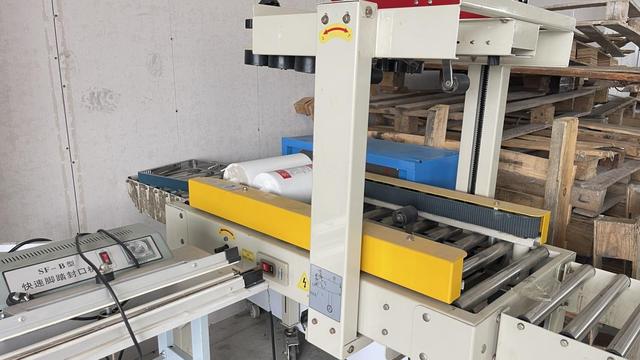
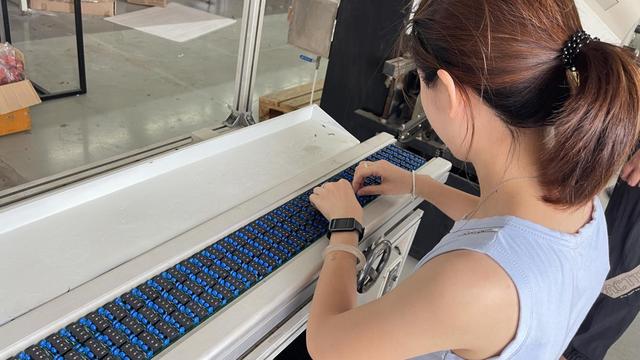
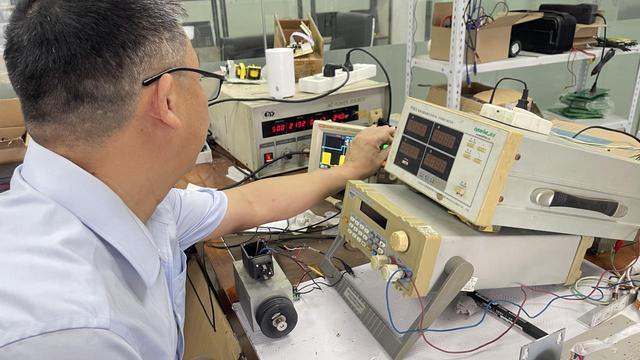
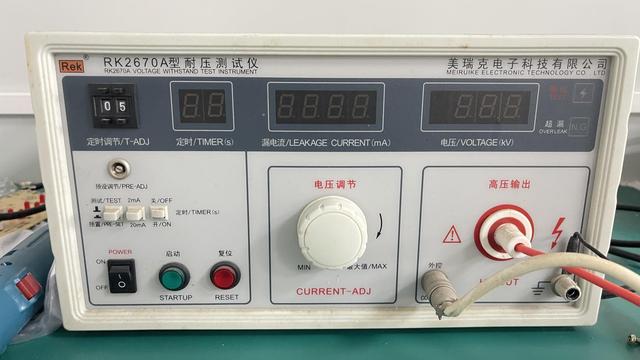
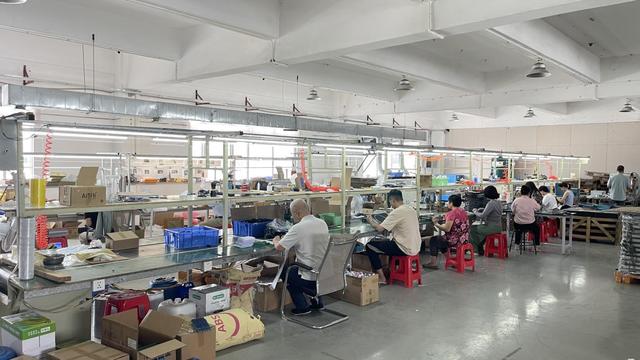
Equipped with advanced production facilities and automated assembly lines, Aris Cooktop maintains strict quality control throughout every stage of manufacturing. From raw material sourcing and component inspection to product testing and final packaging, each induction cooktop undergoes comprehensive performance and safety evaluations to ensure compliance with international quality standards.
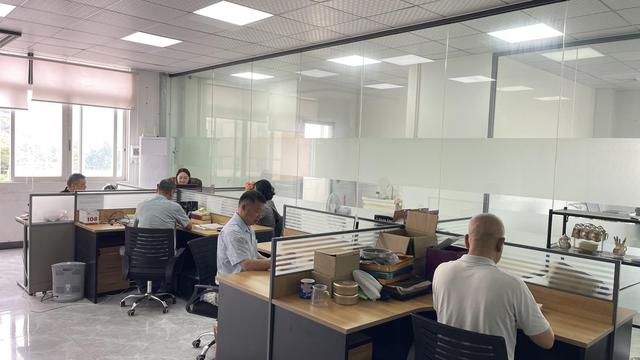
To meet the diverse requirements of global markets, we provide flexible OEM and ODM services for international brands, distributors, wholesalers, retailers, and e-commerce businesses. Our experienced R&D team works closely with customers to develop tailor-made products, offering customized designs, functions, user interfaces, packaging, and private label solutions.
Driven by innovation, quality, and customer satisfaction, Foshan Aris Cooktop Co., Ltd. continues to strengthen its presence in global markets. We strive to become a trusted partner for smart kitchen appliances by delivering high-performance induction cooking solutions that create safer, more convenient, and energy-saving cooking experiences for consumers around the world.
A scientific projection of electromagnetic heating architecture, power topologies, and interface technologies.
The core technology of modern induction cooking systems relies heavily on advanced power electronics. Foshan Aris Cooktop Co., Ltd. continuously refines its technological footprint to improve thermal density and operational lifetimes. Our engineering roadmap prioritizes the development of Half-Bridge and Full-Bridge Resonant Inverters, which minimize switching losses under heavy loads. This makes them highly suitable for intensive commercial catering operations that demand continuous high-power outputs.
In terms of user interaction, we are transitioning from standard touch interfaces to high-resolution capacitive sliders integrated with real-time temperature sensing systems. By mounting high-precision thermistors directly below the glass-ceramic panel, the cooktop maintains tight feedback loops with the control MCU. This prevents overheating and protects cookware. Additionally, looking toward future smart grid architectures, our research team is developing demand-response modules. These modules enable appliances to scale power usage dynamically, aligning with peak-shaving protocols in eco-friendly smart homes.
Transitioning from traditional silicon IGBTs to Silicon Carbide (SiC) power devices to optimize switching frequency, minimize heat loss, and significantly reduce system form factors.
Developing onboard software algorithms to dynamically balance power distribution across multi-burner zones, preventing overloading of domestic mains circuits.
Strengthening design methodologies for internal EMI filters to minimize high-frequency radiation, ensuring compliance with strict EN 55014 standards.
Adapting induction heating systems to specific commercial, geographical, and industrial requirements.
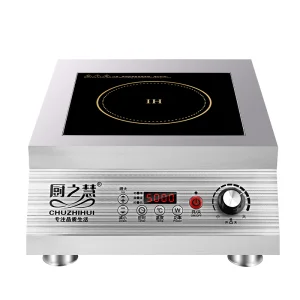
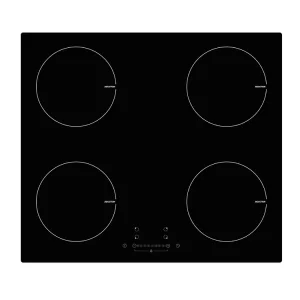
As a global OEM/ODM manufacturer, Foshan Aris Cooktop Co., Ltd. recognizes that regional distribution networks require tailored, localized configurations. In North American and Western European markets, built-in multi-burner hobs (3 to 5 zones) demand high aesthetic integration and compatibility with standard counter cutouts. In contrast, emerging markets in Southeast Asia and Latin America exhibit high demand for single-burner countertop units and portable cooktops that offer robust performance under fluctuating voltage conditions.
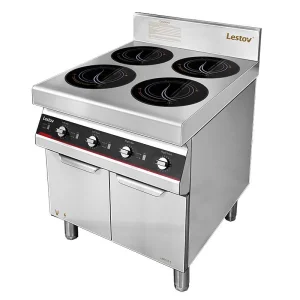
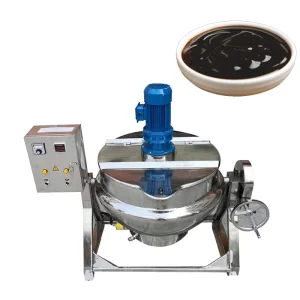
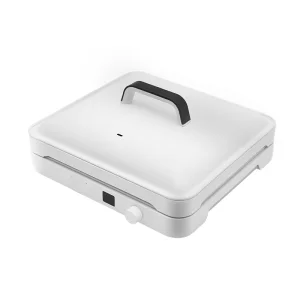
For high-density commercial kitchens, catering services, and restaurants, we supply specialized solutions like our Stainless Steel Flat Induction Cookers and Jacketed Cooking Kettles. These heavy-duty industrial systems are built using food-grade SUS304/SUS316 stainless steel housings, integrated with high-performance cooling fans and double-wound copper coils to withstand continuous operation. Furthermore, we support manufacturing partners in developing regions by supplying CKD (Completely Knocked Down) and SKD (Semi-Knocked Down) components, which helps optimize import duties and local assembly costs.
Technical and commercial answers addressing key search queries from global induction stove importers and distributors.
To export to EU markets, cooktops must hold CE, CB (IEC 60335-1 and IEC 60335-2-6 safety standards), RoHS for hazardous materials, and ErP eco-design ratings. For North American distribution, UL 858 or ETL certification along with FCC compliance (covering electromagnetic radiation) is mandatory. Aris Cooktop maintains compliance with these major frameworks to ensure smooth customs clearance and market entry.
Single-ended (quasi-resonant) topologies utilize a single IGBT to control electromagnetic cycles. They are highly cost-efficient but suited for low-to-medium power outputs. Half-bridge topologies employ dual IGBTs, allowing continuous low-power operation without cycling, as well as higher maximum power thresholds. This makes half-bridge systems ideal for premium multi-zone built-in hobs and heavy-duty commercial catering equipment.
We offer comprehensive end-to-end customization services. This includes glass printing adjustments, custom housing dimensions, PCB design modification, power control customization, and custom packaging. Clients can also request specific IoT integrations (e.g., Wi-Fi, Bluetooth, or Tuya smart app control) to match their brand ecosystem.
Natural gas cooktops lose up to 60% of their heat to the surrounding air, yielding only 40% thermal efficiency. In contrast, electromagnetic induction transfers heat directly to the pan, achieving efficiency ratings above 90%. This reduces carbon footprint, minimizes kitchen heat buildup, and eliminates hazardous combustion byproducts like CO, CO2, and NOx.
We utilize high-quality microcrystalline ceramic glass panels. These panels feature an extremely low coefficient of thermal expansion, allowing them to withstand rapid temperature changes (up to 700°C) without cracking. The smooth, non-porous surface is also resistant to heavy impact and easy to clean, making it suitable for both domestic and commercial environments.
CKD and SKD shipments typically require a lead time of 30 to 45 days, depending on components customization and ordering volume. This processing window includes comprehensive testing of PCBs, control panels, and induction coils prior to packing, ensuring high yield rates at the client's local assembly facility.
Explore our advanced IoT-connected hobs, portable infrared cooktops, heavy-duty industrial kettles, and flexible assembly kits.

 Aris Cooktop