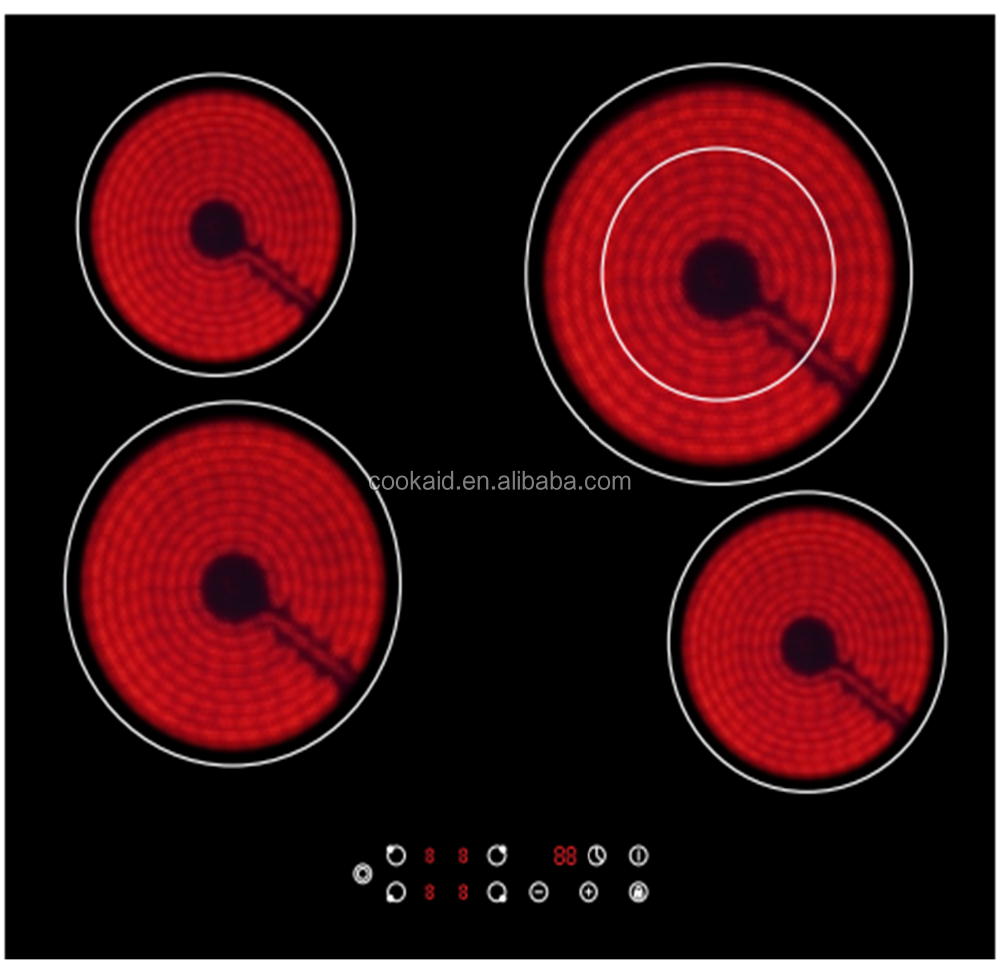
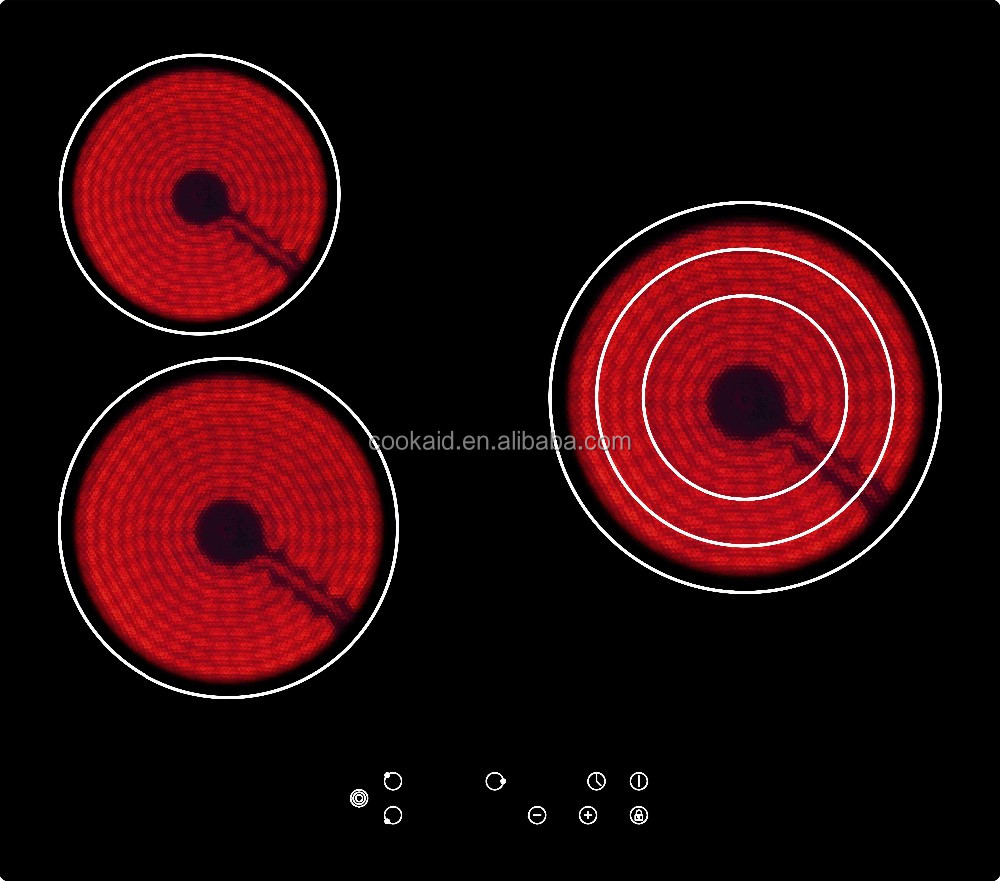
Q1: What are the installation requirements for a built-in 4 burner ceramic hob?
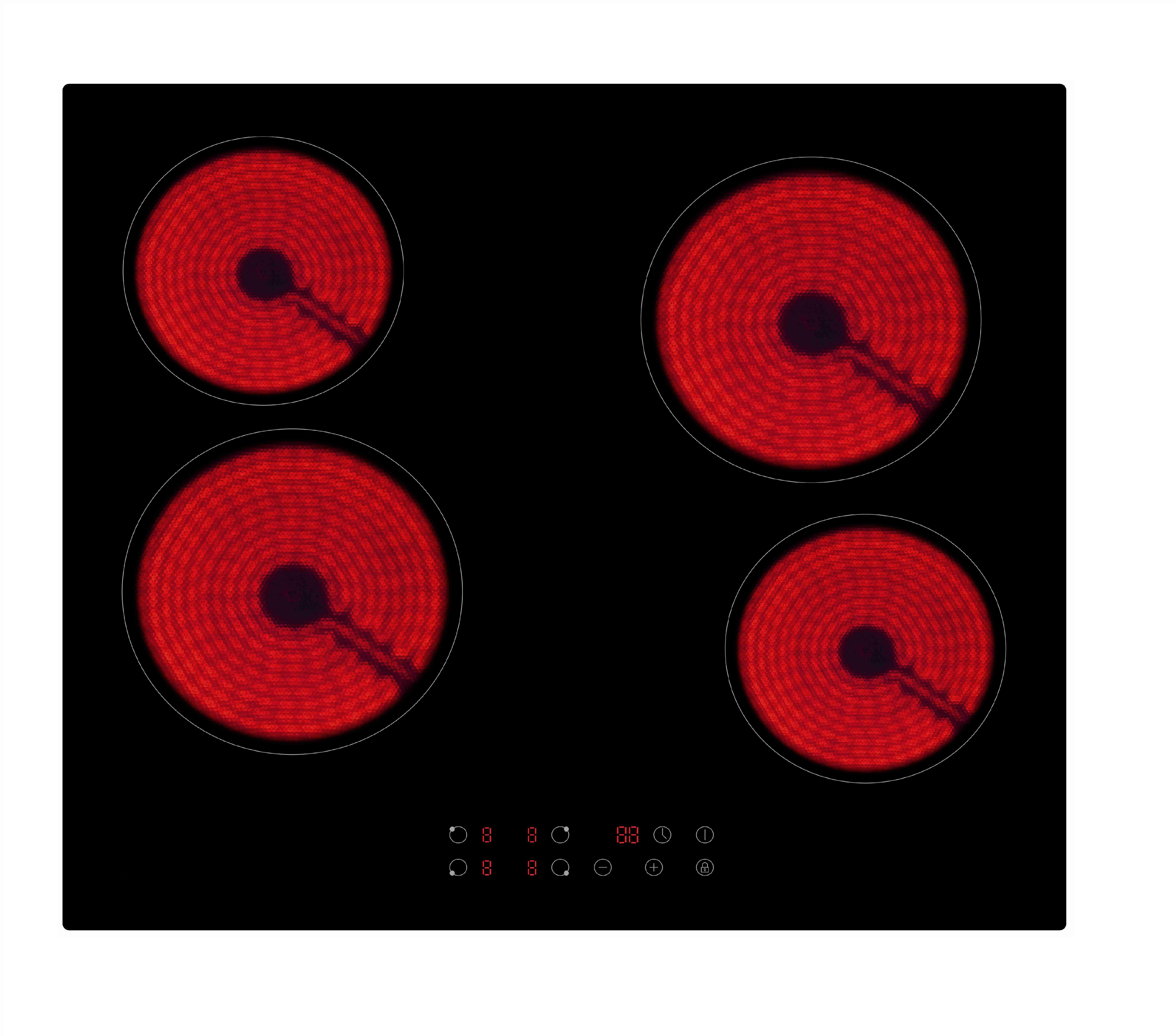
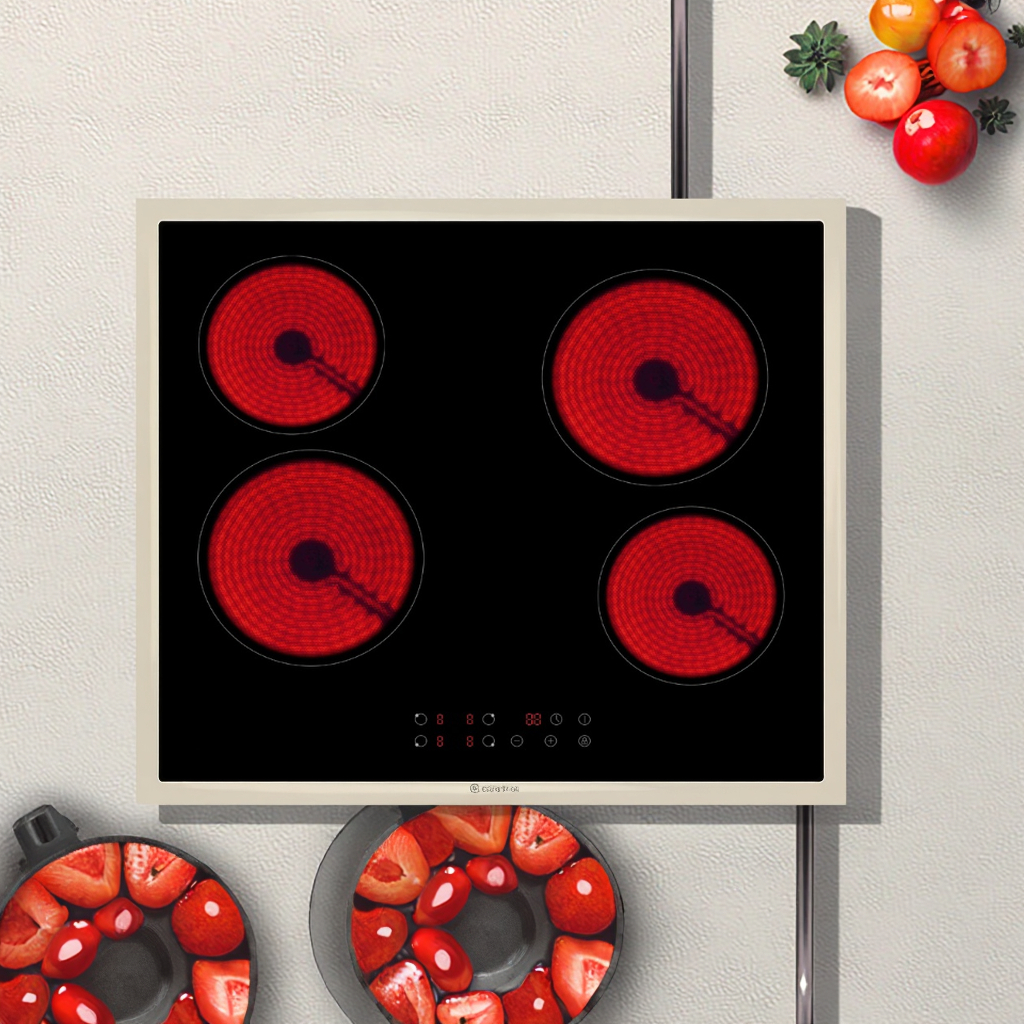
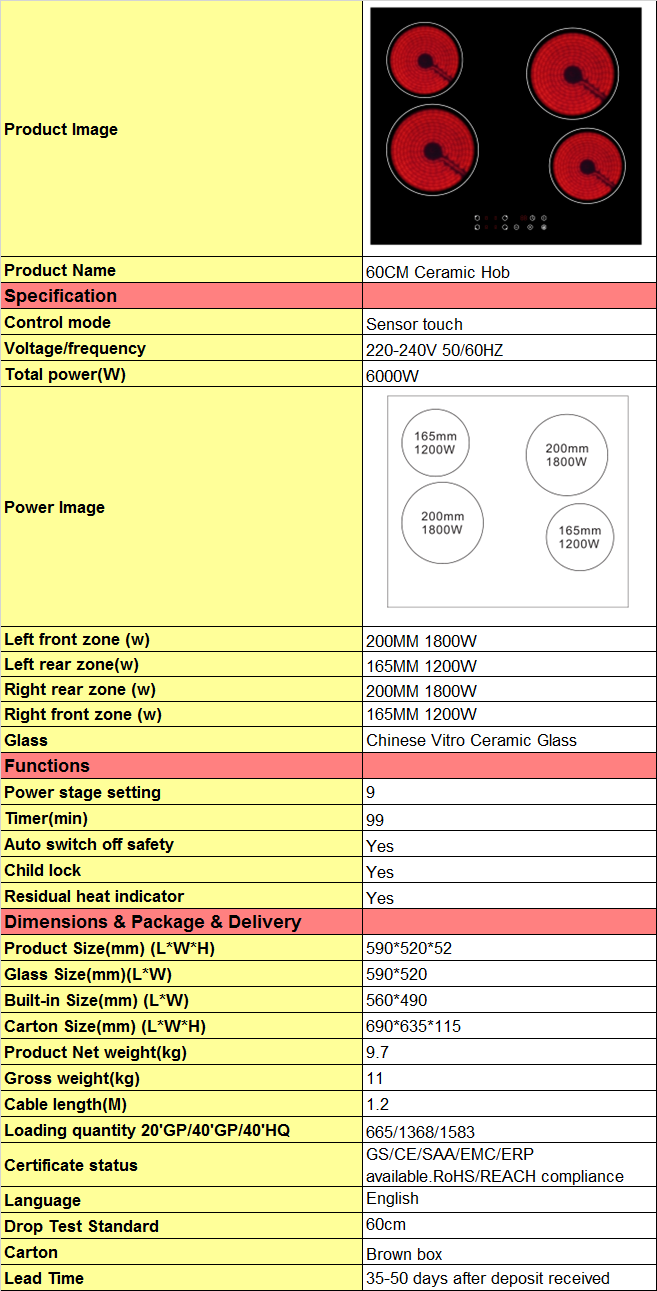
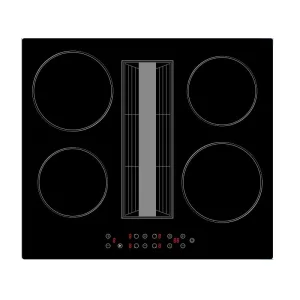
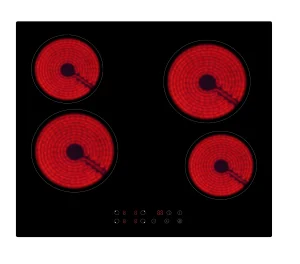
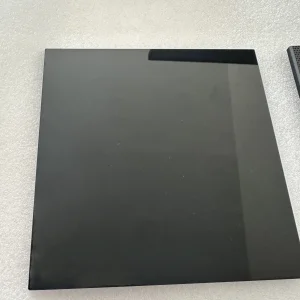
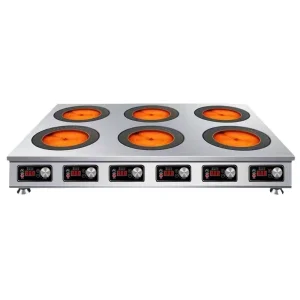
A built-in ceramic hob requires a matching countertop cutout size and a dedicated electrical supply lines matching its voltage specifications. Proper ventilation clearance beneath the cooktop must also be maintained.
Q2: What type of cookware works best on a ceramic glass hob?
Flat-bottomed cookware made of stainless steel, cast iron, or enameled steel works best. Avoid using pans with rough bases or copper bottoms, as they can cause scratches or leave difficult-to-remove residues on the glass surface.
Q3: How do I clean and maintain the ceramic glass surface?
Wait for the surface to cool down completely, then apply a specialized ceramic cooktop cleaner with a soft microfiber cloth. For stubborn burnt residues, a designated cooktop scraper can be used gently at a 45-degree angle.
Q4: Does the 4 burner ceramic hob include built-in safety features?
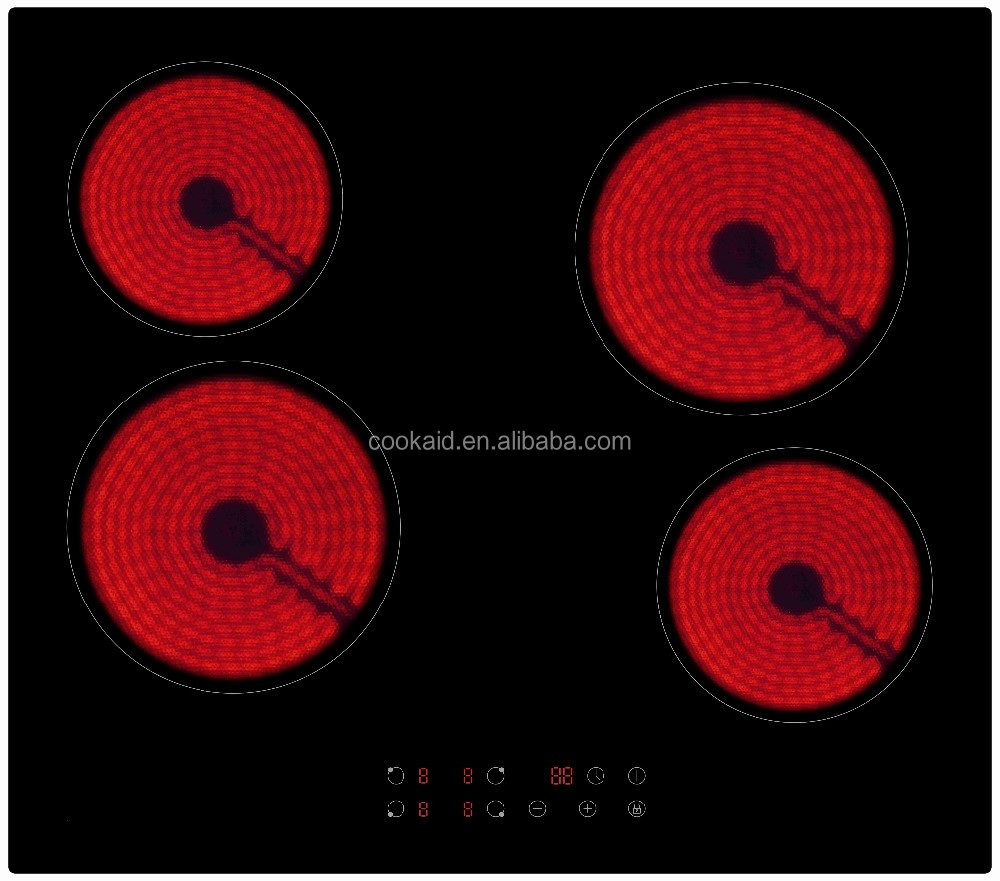
Yes, our ceramic hobs are equipped with safety features including residual heat indicators to warn you of hot zones, a child lock function to prevent accidental activation, and automatic shut-off to prevent overheating.
Q5: What is the main difference between a ceramic hob and an induction hob?
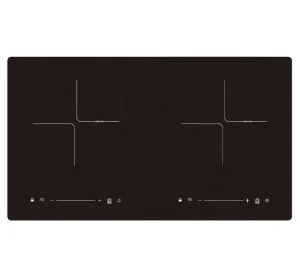
Ceramic hobs heat the glass surface via electric heating elements located underneath, which then transfers heat to the cookware. Induction hobs use electromagnetic fields to heat the pan directly, leaving the cooktop surface cooler to the touch.
 Aris Cooktop