Top 10 Induction Cooktop With Timer Factories & Exporters

A Comprehensive Technical Whitepaper & Strategic Global Procurement Guide for Commercial and Residential Induction Heating Technologies

Featured Enterprise Solutions - Collection I

High-efficiency smart induction stoves engineered for commercial and high-capacity residential applications.

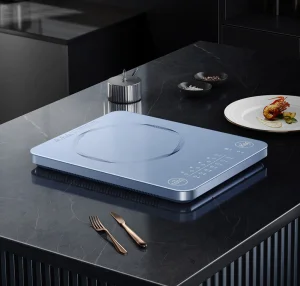
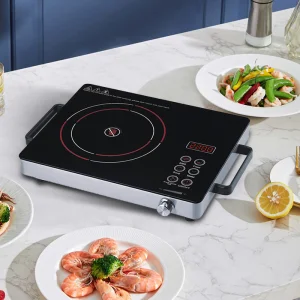
Memory Recipe Function Induction Cookers

Hot Selling Kitchen Appliances Memory Recipe Function Induction Cookers Portable Induction Cooker Household Induction Cooker

View Details
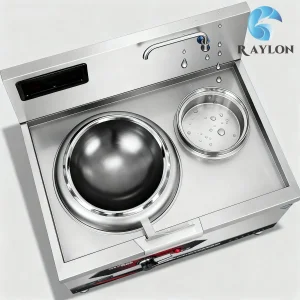
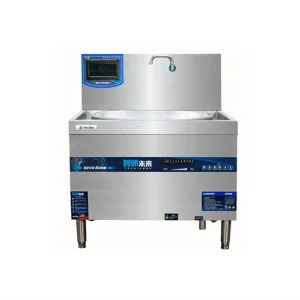
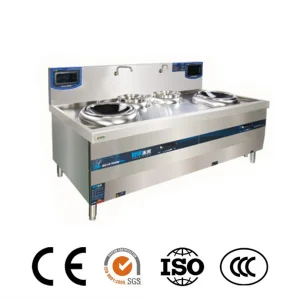
Commercial Induction Wok Cooker

High Efficiency Commercial Induction Wok Cooker for Restaurant Kitchen Use

View Details
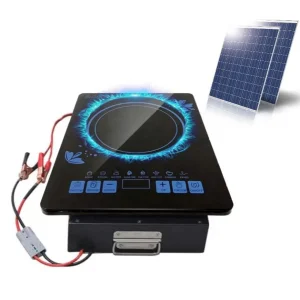
Battery Stove DC 48V Induction Cooker

Portable High Power 1200W Battery Stove Smart Electric Cooking Stove DC 48V Induction Cooker for Indoor Outdoor

View Details
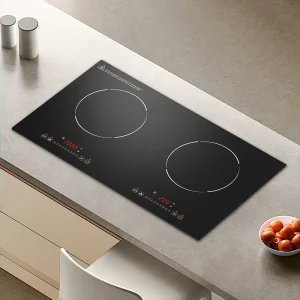
Double Burner Built-In Stainless Steel Induction Cooktop

Double Burner Built-In Stainless Steel Induction Cooktop Commercial High Efficiency Electric Hot Plate with 3000W+ Power

View Details
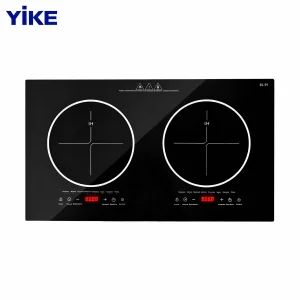
Double Induction Hob 3500W Cooktop

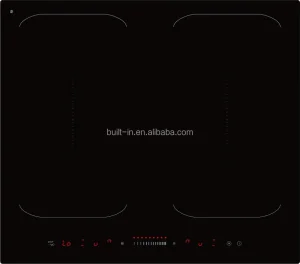
Double Induction Hob 3500W Cooktop Electric Stove Built-in 2 burner Induction Cooker

View Details
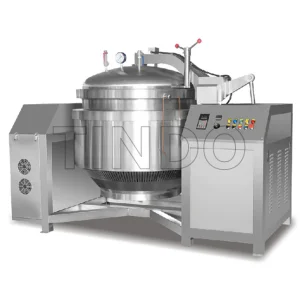
Automatic PLC Control Cooking Equipment

Electric Gas Steam Pressure Cooker Machine Large Automatic PLC Control Cooking Equipment

View Details
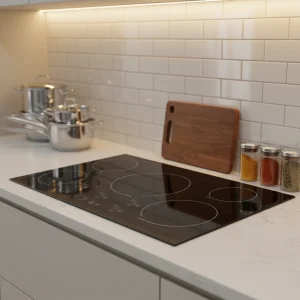
5 Burner Induction Cooktop

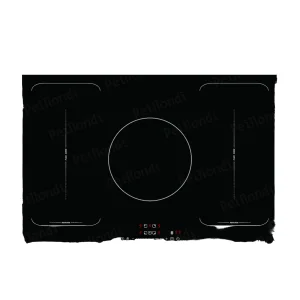
High Quality Built-in 5 Burner Induction Cooktop Tempered Glass Touch Control Electric Induction Hob Durable Kitchen Appliance

View Details
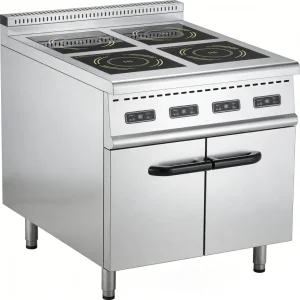
4-Burner Commercial Induction Cooker

4-Burner Commercial Induction Cooker with Cabinet Base, 4-Zone Stainless Steel Induction Range

View Details

1. Executive Summary & The Evolution of Timer-Integrated Induction Technology

The global commercial and residential culinary equipment markets are undergoing a seismic transformation. As commercial kitchens transition away from fossil fuels, the induction cooktop has emerged as the definitive standard for heat-efficiency, precision, and operator safety. Among the array of technological features defining next-generation hobs, precision programmable timers have transitioned from a premium optional feature to an absolute regulatory and operational requirement.

For B2B procurement managers, global appliance distributors, and commercial kitchen designers, selecting the right manufacturer of induction cooktops with integrated timers involves evaluating complex variables. These range from electromagnetic compatibility (EMC) and thermal management systems to microcontroller unit (MCU) stability under high ambient temperatures. This whitepaper analyzes the manufacturing landscape, technology vectors, and key performance indicators (KPIs) of the top induction cooktop exporters, positioning Foshan Aris Cooktop Co., Ltd. within this competitive framework.

"Integrated timer systems do not merely control time; they manage energy consumption, safety profiles, and culinary consistency across multi-station commercial kitchens globally."

2. Industry Evolution & Development Trends of Induction Cooktops with Timers

The history of induction hobs has been marked by continuous refinements in power electronics. The incorporation of a dedicated digital timer system represents a key milestone in this evolution. Historically, mechanical dial timers were prone to steam ingress and physical degradation. Modern solid-state capacitive touch sensors and smart MCU micro-processors have resolved these points of failure.

95%
Thermal Transfer Efficiency
< 0.1%
Timer Drift Margin per Hour
20,000 hrs
Average Lifespan of Smart IGBTs
IoT-Ready
Protocol Integration Rate

A. Digital Micro-Controllers (MCU) and Synchronous Auto-Shutoff

Modern timer configurations utilize dedicated 8-bit or 32-bit MCUs (Microcontroller Units) operating concurrently with the main power-stage controller. By isolating the timer circuits from the high-voltage IGBT (Insulated Gate Bipolar Transistor) driving logic, manufacturers ensure that voltage spikes or thermal loads do not affect the countdown accuracy. The auto-shutoff mechanism is wired directly to the gate-driver circuit, ensuring instantaneous shutoff the moment the countdown reaches zero.

B. Smart Multi-Zone Interoperability

In multi-burner systems (such as 4-burner or 5-burner cooktops), the primary technical challenge is cross-zone logic control. Each zone must operate on an independent timer loop without causing signal delays or UI latency on the main control panel. Top-tier manufacturers now employ dynamic multiplexing architectures within their control panels, enabling the chef to monitor and adjust up to five zones independently.
Foshan Aris Cooktop Co., Ltd.

Leading China Manufacturer & Smart Induction Stove Supplier

Foshan Aris Cooktop Co., Ltd. is a professional China induction cooktop manufacturer and smart induction stove supplier, specializing in the research, development, manufacturing, and global distribution of advanced kitchen cooking appliances. Based in Foshan, Guangdong, a renowned center for home appliance manufacturing, the company is committed to delivering innovative, energy-efficient, and reliable cooking solutions for customers worldwide.

Aris Cooktop offers a comprehensive range of products, including built-in induction cooktops, portable induction cookers, commercial induction stoves, double burner induction cooktops, smart induction hobs, and customized kitchen appliance solutions. Combining modern design with intelligent technology, our products are engineered to provide fast heating, precise temperature control, enhanced safety, and superior energy efficiency for both residential and commercial applications.

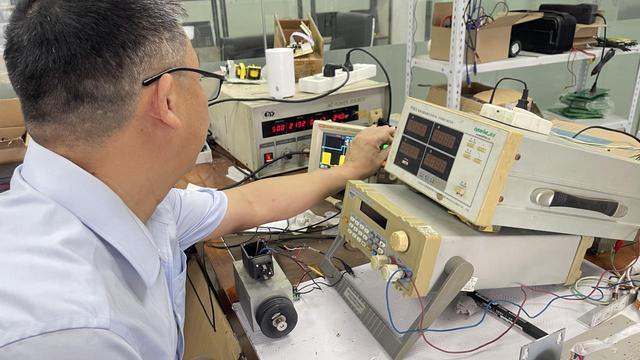
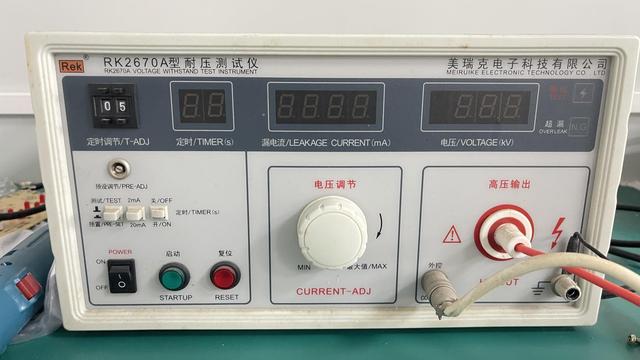
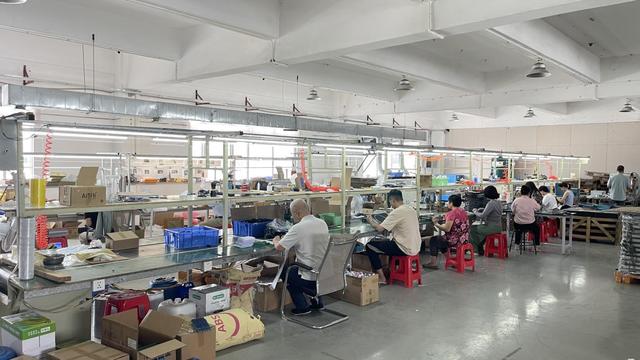
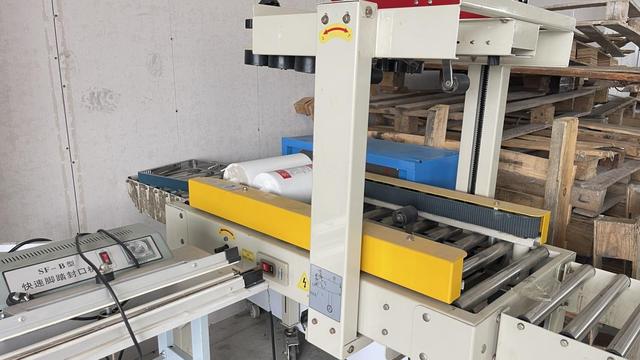
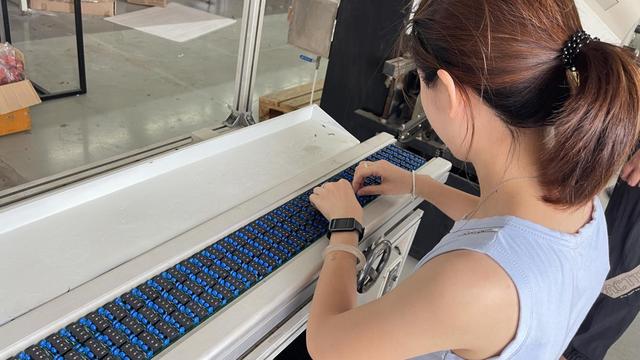
Equipped with advanced production facilities and automated assembly lines, Aris Cooktop maintains strict quality control throughout every stage of manufacturing. From raw material sourcing and component inspection to product testing and final packaging, each induction cooktop undergoes comprehensive performance and safety evaluations to ensure compliance with international quality standards.

To meet the diverse requirements of global markets, we provide flexible OEM and ODM services for international brands, distributors, wholesalers, retailers, and e-commerce businesses. Our experienced R&D team works closely with customers to develop tailor-made products, offering customized designs, functions, user interfaces, packaging, and private label solutions.

Driven by innovation, quality, and customer satisfaction, Foshan Aris Cooktop Co., Ltd. continues to strengthen its presence in global markets. We strive to become a trusted partner for smart kitchen appliances by delivering high-performance induction cooking solutions that create safer, more convenient, and energy-saving cooking experiences for consumers around the world.

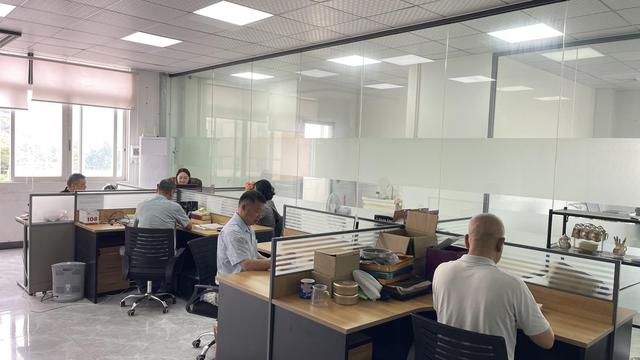
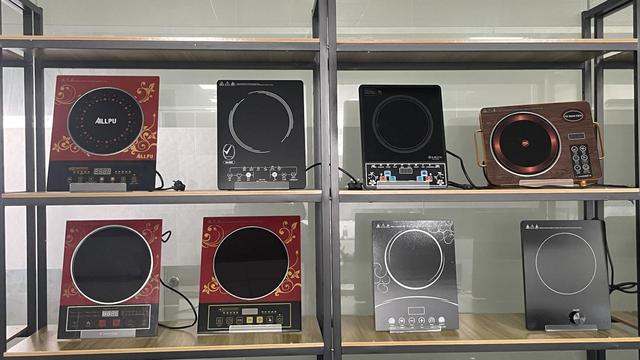
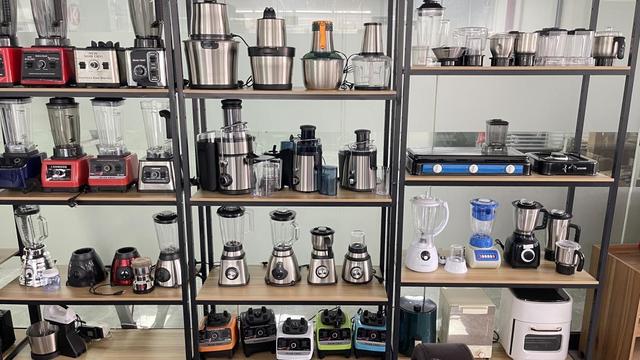
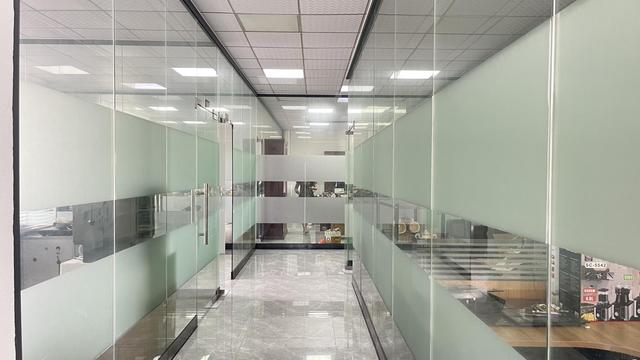
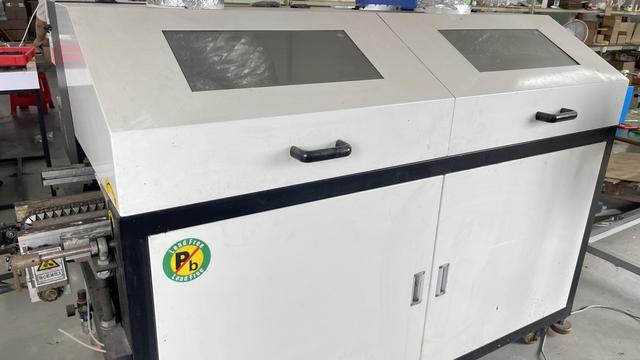
Manufacturing Facility & Production Line Showcase

Evaluating Global Procurement Requirements

Essential considerations for technical buyers and commercial kitchen operators.

Global Enterprise Procurement Trends

When multi-national hotel groups, quick-service restaurant (QSR) chains, and appliance brands choose induction hobs with timer systems, they analyze beyond aesthetics. The procurement matrix focuses on operational longevity and energy efficiency:

  • Continuous Duty Cycle Capabilities: High-power kitchens require induction coils that can operate under high-temperature conditions for hours without thermal throttling. A timer must maintain execution accuracy even when the internal cabinet temperature approaches 85°C.
  • EMC & EMI Certification: Induction hobs rely on high-frequency magnetic fields (typically 20 kHz to 35 kHz). Without robust filter circuits (X/Y capacitors, common mode chokes), the electromagnetic emission can interfere with other smart kitchen devices and communication hubs. A top-tier factory must provide FCC, CE, CB, and UL-certified designs.
  • Adaptive Power Modulation (Duty-Cycle Control vs. Frequency-Shift Control): When simmer timers are running for long stews, low-power stability is critical. Low-end cooktops cycle the heat on and off periodically (cycling), which can burn delicate sauces. Premium hobs shift their operating frequency to maintain a continuous low-temperature simmer, ensuring consistent results.

Macroeconomic Industry Solutions

To address carbon reduction goals and shifting energy codes (such as the EU's Ecodesign and energy labelling directives), commercial food service providers are migrating away from natural gas. Induction cooktops with integrated timers provide a clean path to compliance. Kitchen managers can program maximum cooking durations to prevent unattended cooktops from wasting energy, improving safety and lowering utility costs.

Localized Support, Compliance, & Technology Roadmap

How the top exporters align engineering processes with international regulatory developments.

Regulatory Integration & Safety Mandates

For import distributors in the European Union and North America, compliance is a baseline requirement. Modern safety standards (such as IEC/EN 60335-2-6 and UL 858) mandate that automated cooking processes must incorporate redundant thermal and electronic cutoffs. Timers play a key role here. By limiting continuous operation through integrated timers and pan-detection sensors, these hobs mitigate fire risks and verify compliance for importers.

Foshan Aris Technology Roadmap (2025-2030)

2025 - 2026
AI-Assisted Thermal Management & Recipe Memory Expansion

Integrating real-time cooking curve algorithms where cooktop timers dynamically adjust target temperatures based on temperature changes in the pan. Expansion of memory recipe functions for customized commercial menus.

2027 - 2028
Gallium Nitride (GaN) Power Stage Transition

Deploying GaN transistors to replace traditional silicon-based IGBTs. This technology transition aims to reduce thermal generation by 30%, shrink internal component footprints, and improve the precision of the timer-control units.

2029 - 2030
Smart Grid Integration & IoT Coordination

Implementing Matter-compliant IoT communication chips. This allows induction timers to coordinate directly with smart hoods and commercial ventilation systems, dynamically adjusting air extraction levels based on timer settings.

Featured Enterprise Solutions - Collection II

Commercial-grade induction cooktops, multi-burner hobs, and customized OEM solutions.

Commercial Electromagnetic Induction Range

Commercial Electromagnetic Stainless Steel Multifunctional Induction Range

View Details
Energy Saving Induction Cookstove

Energy Saving Induction Cookstove Single Burner with Touch Control and Safety Protection System for Hotpot

View Details
Electric Induction Range

Hotel Restaurant Special Commercial Kitchen Appliances Electric Induction Range

View Details
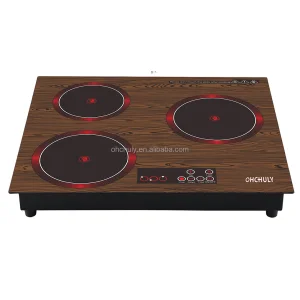
Ohchuly Professional Induction Stove

Ohchuly Professional Manufacturer's Burner Induction Stove 2200W Built-In Infrared Induction Households AU Ceramic Electric Fry

View Details
2 burner Built in Induction Hob

2 burner 60cm Built in Induction Hob

View Details
Zone 5 Burners Induction Cooktop

Zone 5 Burners Touch Control Built-in Ceramic Surface Glass Plate Household Electric Induction Cooktop Custom Size Printing

View Details
6 Burner Professional Induction Hob

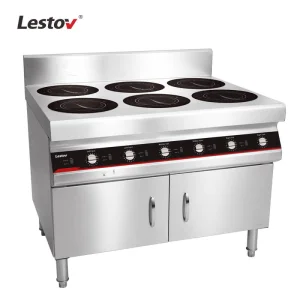
6 Burner Professional Induction Hob with Knob Control Lt-B300VI-B105

View Details
Multifunctional Export Induction Cooker

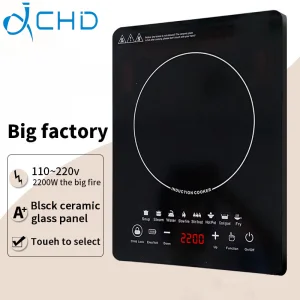
Multifunctional Export Induction Cooker High-Power Household Smart Energy-Saving Frying Pan Electric Cooker 2200W Touch Control

View Details

Frequently Asked Questions (FAQ)

Detailed technical and commercial answers directly from our factory engineering team.

What are the standard timing limits on commercial-grade versus residential-grade induction hobs?
Residential-grade induction cooktops usually feature a maximum countdown timer range from 99 minutes to 180 minutes, which is sufficient for home meal prep. In contrast, commercial-grade systems (such as those supplied by Foshan Aris Cooktop) offer extended programmable options, ranging up to 9 hours and 59 minutes (or continuous operation mode). This supports low-and-slow simmering, sous-vide applications, and constant-temperature stock brewing in high-volume commercial kitchens.
How does the timer interact with safety shut-off protocols if no pan is detected?
The timer is secondary to the pan detection system. If a pot is removed from the cooktop, the controller detects an inductance mismatch and suspends energy output, activating a standby countdown (usually 60 seconds). If the cookware is not returned within this window, the unit shuts off completely, and the primary timer resets to zero. This safety measure prevents dry-heating hazards.
What components determine the long-term reliability of an induction stove's control panel?
The two primary elements are the capacitive touch sensors and the thermal isolation of the control board. Using high-quality glass ceramics (like Schott Ceran or EuroKera) prevents thermal energy from transferring directly from the cookware to the electronics below. Additionally, high-grade factories apply moisture-resistant conformal coatings to the PCB boards to protect against steam and humidity in commercial environments.
What certifications must an imported induction cooktop hold for sale in Western markets?
For the European market, imports require CE (LVD/EMC directives), CB, RoHS, and ErP certification. For the North American market, UL 858 or ETL sanitation/safety compliance is required, along with FCC testing for electromagnetic emissions. Foshan Aris Cooktop Co., Ltd. coordinates product testing to meet these international regulatory standards for overseas distribution.
Why are double-burner and multi-burner configurations preferred for OEM distribution?
Multi-burner configurations allow distributors to serve two segments: high-end residential kitchen updates and compact commercial food service operations. Double hobs are popular in small apartments, office kitchens, and mobile food prep stations, offering a balance of space efficiency and performance.
Can the timer memory be pre-programmed for specific culinary recipes?
Yes. Modern smart hobs support customizable recipe settings. This allows kitchen managers to save specific time and temperature profiles for consistent results across multiple locations, reducing training requirements for staff.
How does the factory manage the heat dissipation of the internal electronics?
Our factory uses high-volume brushless DC cooling fans and aluminum heatsinks, coupled with air ducts designed using CFD (Computational Fluid Dynamics). This design directs heat away from the capacitors and IGBTs, ensuring components operate within stable thermal limits.
What are the lead times for custom OEM or ODM projects?
Standard OEM orders with private labels typically deliver within 30 to 45 days after design approval. For comprehensive ODM projects involving custom PCB designs, new housing molds, or specialized firmware logic, the R&D cycle spans 90 to 120 days, including testing and compliance certification.