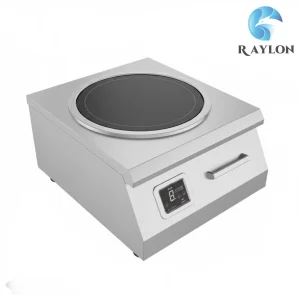
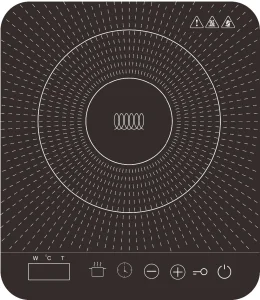
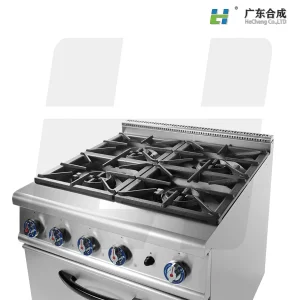
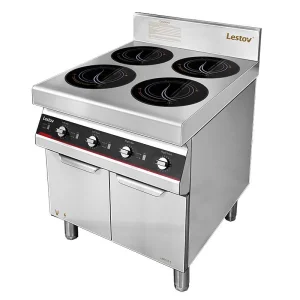
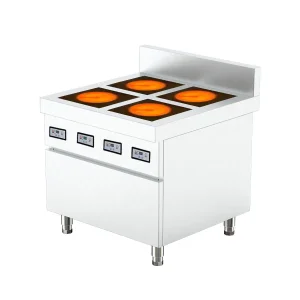
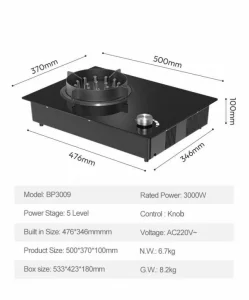
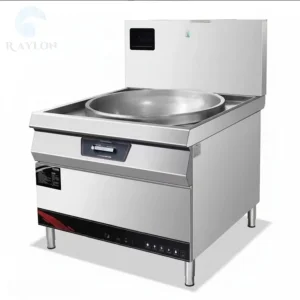
Top Trusted Induction Broiler Manufacturers & Factory

Pioneering Next-Generation High-Frequency Electromagnetic Induction Solutions for Commercial, Industrial, and Professional Gastronomy Applications Worldwide.

Foshan Aris Cooktop Co., Ltd.

Foshan Aris Cooktop Co., Ltd. is a leading China induction cooktop manufacturer and smart induction stove supplier, specializing in the research, development, manufacturing, and global distribution of advanced kitchen cooking appliances. Based in Foshan, Guangdong, a renowned center for home appliance manufacturing, the company is committed to delivering innovative, energy-efficient, and reliable cooking solutions for customers worldwide.

Combining modern industrial design with intelligent technology, our products are engineered to provide rapid thermal transference, precise temperature feedback loop calibration, enhanced multi-point electromagnetic safety protocols, and superior power-saving efficiency for both heavy-duty food service establishments and premium residential projects.

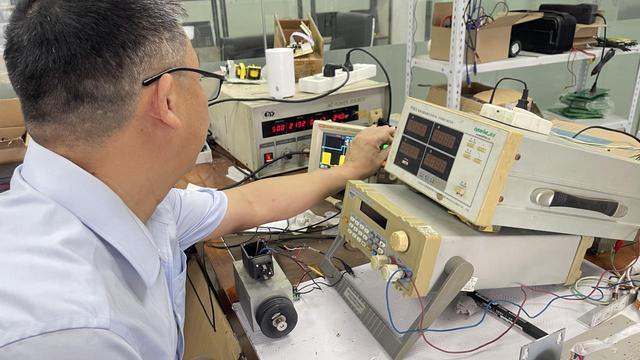
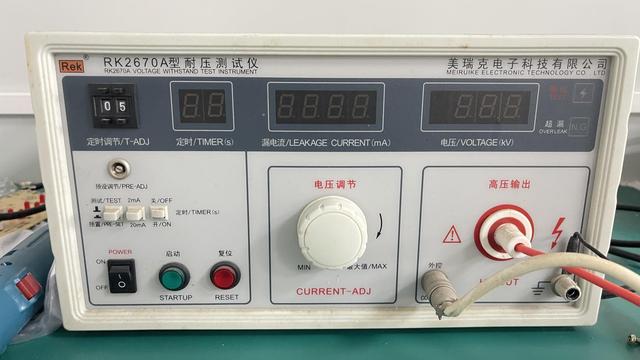
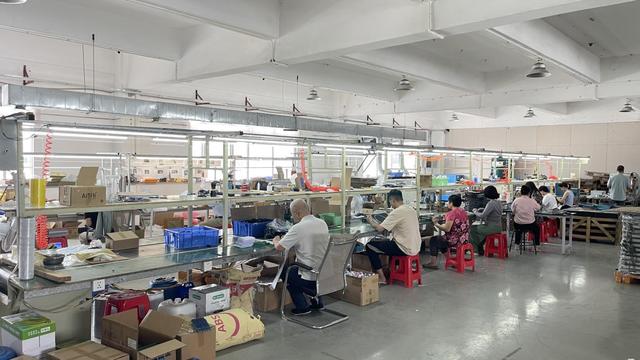
Equipped with advanced production facilities and automated assembly lines, Aris Cooktop maintains strict quality control throughout every stage of manufacturing. From raw material sourcing and component inspection to product testing and final packaging, each induction cooktop undergoes comprehensive performance and safety evaluations to ensure compliance with international quality standards.
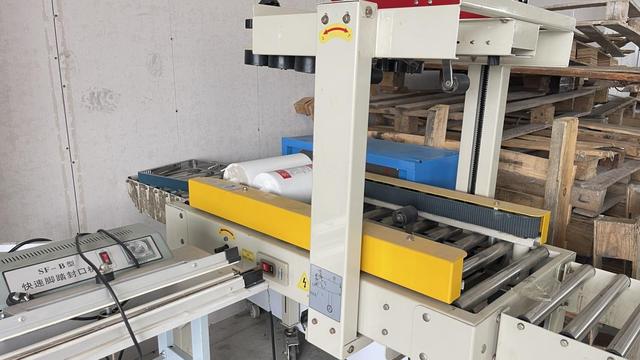
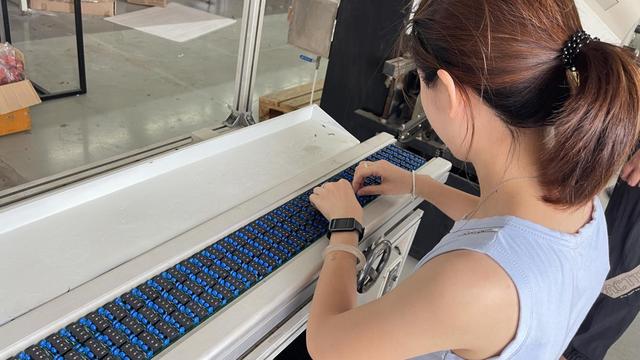
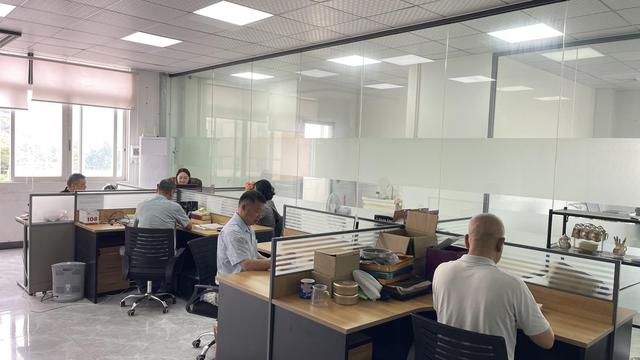
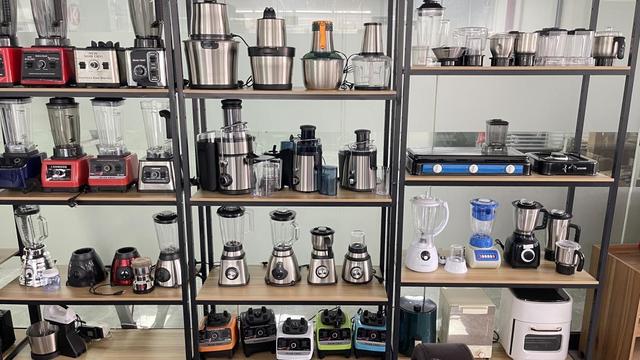
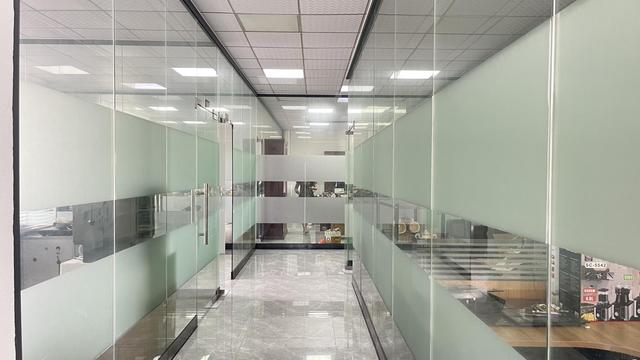
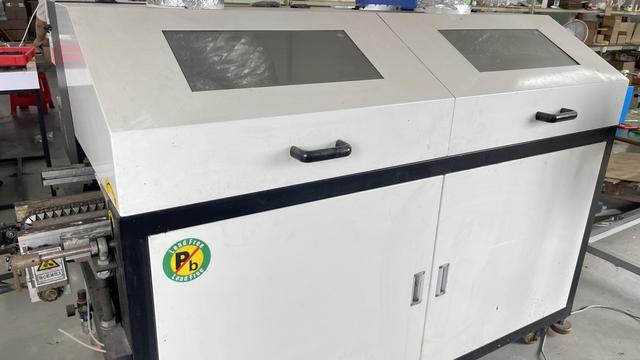
Aris Factory Assembly Area R&D Diagnostic Lab Quality Control Testing Station Factory Production Unit 1 Machine Assembly Operations Finished Goods Testing Room
>93%
Thermal Transfer Rate
Maximizing electrical input to cookware heat conversion, outperforming gas.
50+
Global Exports Countries
Serving critical markets across North America, Europe, AP, and LATAM.
100%
QA Inspection Rate
Each component and finished unit undergoes extensive thermal and electrical testing.
0s
Thermal Lag Window
Instantaneous heating adjustments with advanced IGBT control modules.

Decarbonization & The Macro-Gastronomy Industry Shift

How induction systems are redesigning global hospitality infrastructure, and meeting stringent regulatory guidelines.

As municipalities worldwide implement natural gas bans and set ambitious carbon footprint reduction targets, the commercial food service sector faces a significant energy transition. Traditional open-flame systems are being replaced by high-performance, intelligent electromagnetic induction platforms. Our manufacturing systems are aligned with this global transition, engineering induction broiler configurations that deliver high heat flux densities while drastically reducing ambient ventilation loads.

Unlike standard residential hobs, a commercial-grade induction system requires heavy-duty components capable of continuous duty cycles under harsh kitchen environments. Foshan Aris Cooktop Co., Ltd. addresses this requirement through optimized copper coil design, dual-channel cooling architectures, and advanced microcontroller units (MCUs) that monitor real-time thermal fluctuations. This ensures consistent heat distribution and prevents premature component failure under peak operating loads.

Comparative Matrix: Electromagnetic vs. Gas Systems

To understand the return on investment of converting commercial facilities to induction cooking systems, we evaluate four key operational vectors: thermal transfer efficiency, ambient heat generation, response latency, and safety.

Thermal Transfer Efficiency
Induction platforms achieve an average of 90%-93% thermal efficiency by generating heat directly within the cooking vessel. In contrast, gas burners waste over 50% of their heat energy heating the ambient air.
Operational Cost Savings
High thermal efficiency translates to reduced cooking times and lower electricity consumption. Additionally, reduced ambient heat generation lowers the demand on commercial kitchen HVAC systems.
Safety & Environmental Control
Without open flames or glowing resistance elements, risks of accidental combustion are minimized. Advanced integrated protection arrays detect dry heating, high voltages, phase failures, and empty cookware.

OEM & ODM Manufacturing Capabilities

Customizable interfaces, electrical profiles, and localized certifications for global brands, distributors, and importers.

At Foshan Aris Cooktop Co., Ltd., we provide flexible OEM and ODM services to adapt our induction solutions for regional markets. Global requirements differ based on local power grids, installation preferences, and regional certifications. Our R&D and engineering departments work with international clients to customize electrical interfaces, cooking zones, firmware algorithms, and housing configurations.

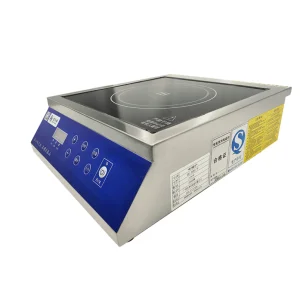
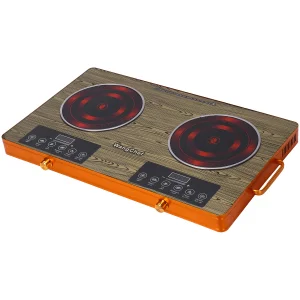
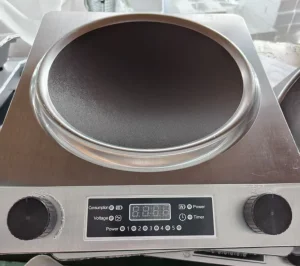
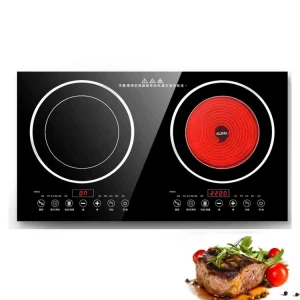
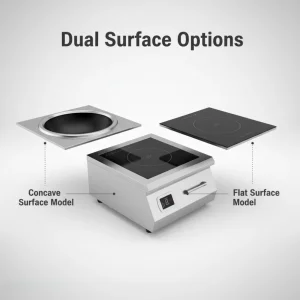
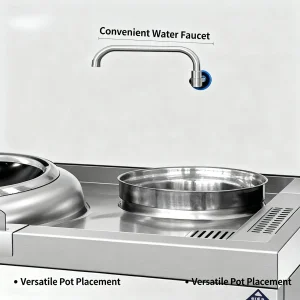
From standard single-burner and double-burner setups to commercial multi-hob systems and heavy-duty woks, our engineering group handles the process from initial design to certified production. We customize housing dimensions, specify mechanical dials, capacitive touch, or OLED interfaces, and program custom software parameters to meet the demands of global kitchens.

Our custom engineering services cover:

  • Voltage customization (110V, 220-240V, 380-415V 3-Phase).
  • Private-label customization, packaging design, and control interface layouts.
  • Firmware customization for safety lock periods, thermal settings, and automatic shutoffs.
  • Mechanical designs featuring food-grade SUS304 stainless steel and high-load glass-ceramic surfaces.

Technological Roadmap & Future Outlook

Pioneering advancements in induction topology, high-frequency switching, and IoT connectivity.

The induction cooking industry is evolving with advancements in semiconductor technology and connected systems. Our technology roadmap focuses on replacing conventional silicon-based IGBT switch units with Wide-Bandgap (WBG) semiconductors, such as Gallium Nitride (GaN) and Silicon Carbide (SiC). This transition allows for higher frequency operations, reduced thermal losses, and compact power supply configurations.

We are also incorporating IoT connectivity into our commercial product lines. Future induction systems will communicate with kitchen control networks via standard protocols. This enables real-time diagnostic monitoring, predictive maintenance tracking, and automated recipe programming across multiple kitchen locations.

Phase I (Current)
OLED Smart Displays & Precise MCU Integration
Deploying digital displays, touch controls, and real-time power modulation loops to prevent thermal overshoot during food preparation.
Phase II (Next-Gen)
SiC & GaN Semi-Conductor Implementation
Transitioning to Silicon Carbide power electronics to achieve higher switching speeds, lower heat dissipation, and an estimated 15% reduction in overall system volume.
Phase III (Future)
IoT Diagnostics & Kitchen System Integration
Integrating wireless temperature probes, smart pan recognition systems, and cloud diagnostics to minimize commercial kitchen downtime.

Technical FAQ & Engineering Inquiries

Resolving common technical questions regarding high-capacity commercial induction systems.
How does an induction system differ from a radiant glass-ceramic cooktop?
An induction system utilizes a high-frequency magnetic field to generate eddy currents directly within ferromagnetic cookware, heating the vessel itself. A radiant glass-ceramic cooktop uses electrical resistance coils underneath the glass, transferring heat to the surface first and then to the pan via conduction. Induction offers higher thermal transfer speed, precise control, and a cooler cooking surface.
What type of cookware is required for commercial induction stoves?
Cookware must contain ferromagnetic materials to work with electromagnetic induction. Suitable options include cast iron, enameled cast iron, and induction-ready stainless steel. Materials like copper, aluminum, and non-magnetic stainless steel will not couple with the magnetic field unless equipped with an integrated induction-compatible base plate.
How do Aris Cooktops handle voltage fluctuations in commercial grids?
Our systems feature microcontrollers programmed to detect and handle supply issues. The units monitor voltage anomalies, phase dropouts, and over-current conditions. If values fall outside acceptable limits, the system safely powers down to protect critical components like the IGBT module.
What is the expected operating life of the cooling fans in continuous environments?
We use brush-less DC cooling fans with dual ball-bearing configurations, rated for over 50,000 continuous hours. The ventilation system includes built-in dust and oil filters to prevent grease buildup on the electronics, helping to extend the system's operational lifespan.
Can you customize your hobs to match specific counter configurations?
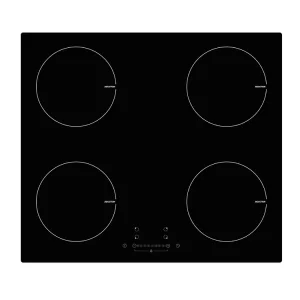
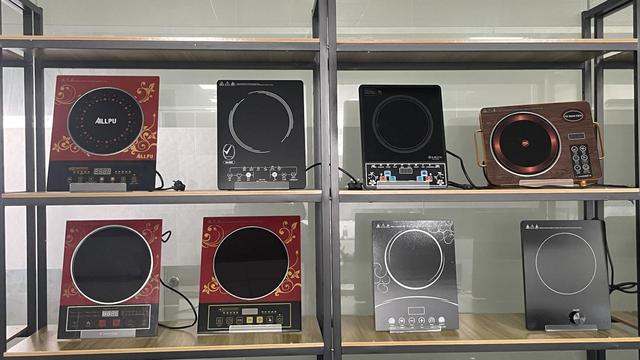
Yes. Our ODM services include custom chassis configurations. We design flush-mounted drop-in models, countertop designs, or custom double/triple burner layouts to fit specific kitchen line configurations.
What safety certifications do you provide for large-scale construction bids?
We provide certification packages containing testing reports for CE, RoHS, FCC, and regional safety approvals. These packages demonstrate compliance with EMI, low-voltage directive limits, and mechanical durability standards required for commercial tenders.
"Our focus is not just on heating cookware; it is about managing energy efficiently. By optimizing electrical and mechanical layouts, we help commercial food service facilities reduce fuel consumption, improve safety, and lower operational overhead."
QC
Chief Engineer
Quality Assurance & Technology, Foshan Aris Cooktop Co., Ltd.
Production floor testing Finished products alignment Testing and diagnostic equipment Precision assembly process Final product testing lines